Russia’s drive to keep feeding the war in Ukraine is creating a shadow recruitment economy that is both expensive for the state and dangerous for some of the most vulnerable people in the country.
Russia recruitment incentives raise war costs
The most important development here is not just that Russia is still hunting for contract soldiers. It is that recruitment itself has become a business model, with local governments, private intermediaries and so-called recruiters all being paid to deliver bodies to the front. That matters because it shows how deeply the war is straining Russia’s manpower system and how much money Moscow and regional authorities are willing to throw at replacing losses.
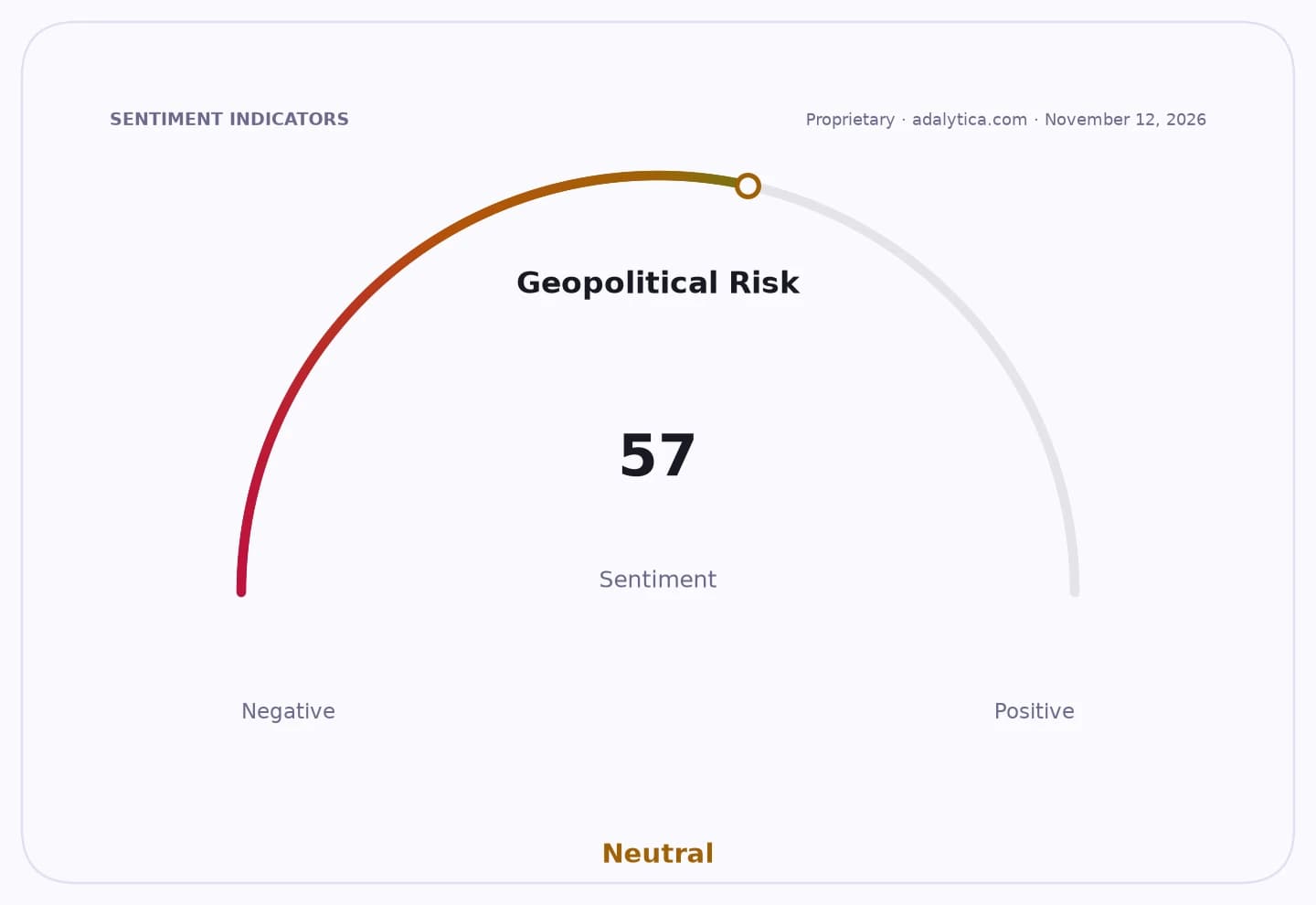
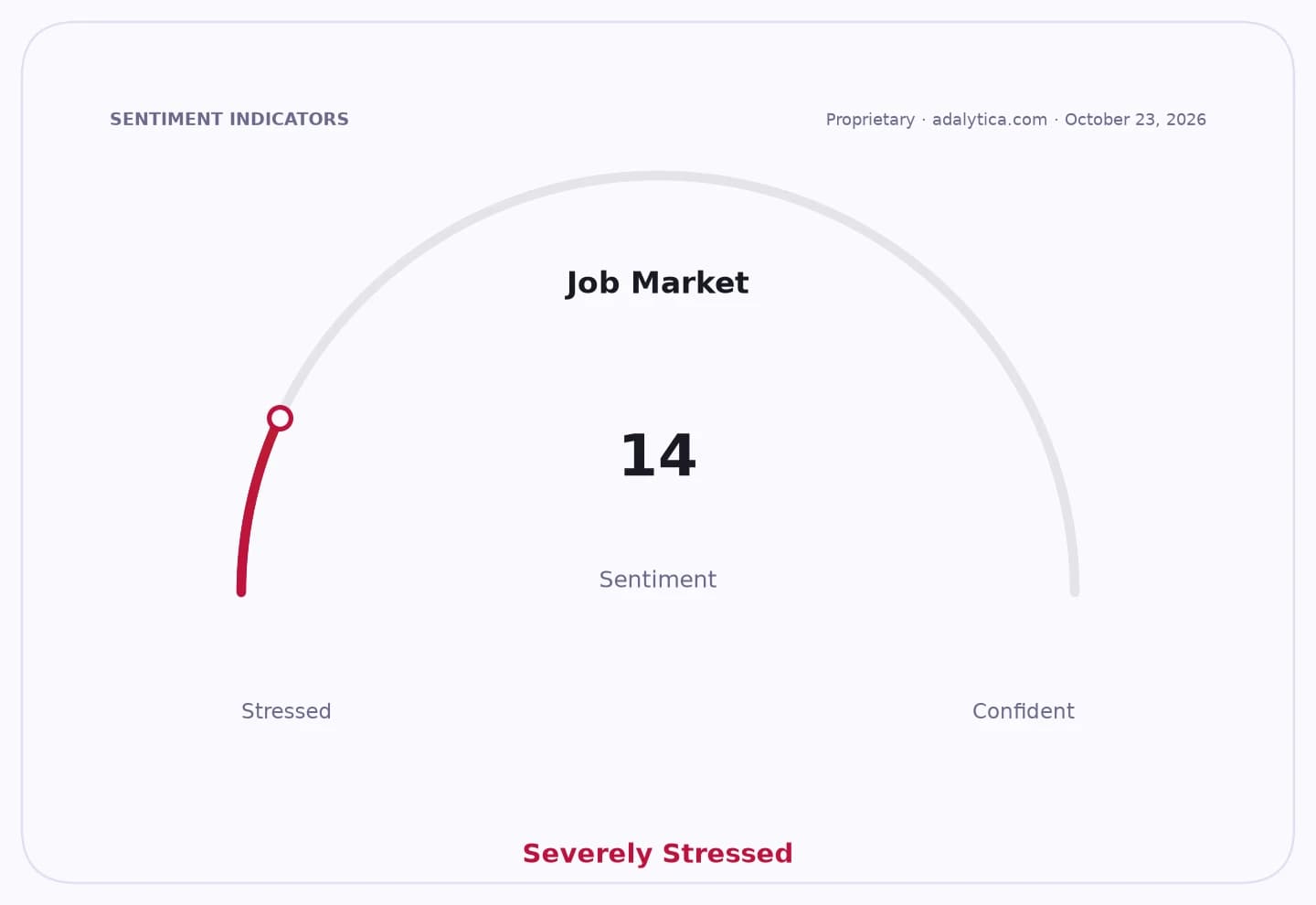
Sentiment Indicators
Independent Russian media calculations suggest at least 8 billion rubles, or about 87.3 million euros, has already been spent on recruitment incentives since the system began in late 2024, a figure described as conservative. In places like Nizhny Tagil, local authorities are preparing to spend 100 million rubles in 2026 alone, while in Penza outlays reportedly jumped from about 3 million rubles in 2024 to nearly 31 million rubles in 2025. For a war economy, that is not a side note — it is a recurring fiscal cost.
The economics help explain the behavior. Recruiters can reportedly earn as much as 1.25 million rubles per enrollee, far above Russia’s average monthly wage of about 113,000 rubles. That kind of payout is enough to create a gray market in which people with debt, addiction, mental illness or weak family support can become targets. It also gives recruiters an incentive to cut corners, exaggerate job descriptions or pressure candidates who may not fully understand what they are signing.
That is why the human-rights concerns are inseparable from the financial ones. The case of Andrej Ilinbajev, a man with a long history of severe mental illness, is a warning sign about what happens when quotas and bonuses collide with weak oversight. Russian activists and former recruiters say people with psychiatric conditions, intellectual disabilities, heavy debt or other vulnerabilities are being pushed through the system, sometimes with help from medical, banking or collection networks. Those claims are difficult to verify independently, but the structure of the market makes them plausible.
Investors should care for a simple reason: wars do not just consume munitions and soldiers, they also reshape state spending priorities and industrial incentives. Russia’s recruitment machine is another sign that the conflict in Ukraine remains a long-duration drag on public finances and a driver of distorted local spending. It also reinforces demand for defense production, logistics and manpower-intensive military operations, even as it increases the risk of social backlash and bureaucratic abuse.
There is also evidence the system is fraying. Some intermediaries say payments are being delayed, and at least five recruiters reportedly sued a military recruiting company over unpaid commissions. That suggests a model built on constant cash flow, thin documentation and aggressive incentive payments may be hard to sustain cleanly over time. When the middlemen start fighting over commissions, the market has moved from improvisation into something more entrenched — and more unstable.
For long-term investors, the bigger lesson is that the war’s economic footprint keeps expanding beyond the battlefield. Russia is not only financing weapons and troop pay; it is also monetizing the pipeline that gets men to the front. That is a sign of endurance, but also of stress. The system may keep working, yet the costs — fiscal, social and political — are rising.
| Entity | Gains | Losses |
|---|---|---|
| Russian regional governments | ▲Meet recruitment quotas | ▼Higher budget costs |
| Private recruiters/intermediaries | ▲Large commissions | ▼Delayed or disputed payouts |
| Vulnerable Russian men | ▲Short-term cash offers | ▼Risk of coercion and frontline service |
| Ukraine and its supporters | ▲None | ▼Russia sustains manpower for war |