Russia’s geopolitical confrontation with the West is hardening again as Vladimir Putin casts the war in Ukraine as an effort to break up Russia, while Europe moves ahead with planning for a possible postwar military presence in Ukraine. For investors, the message is that the conflict is not drifting toward settlement: sanctions, defense spending and energy-market risk premiums are likely to stay elevated.
Russia, Europe Plan for Prolonged Ukraine War
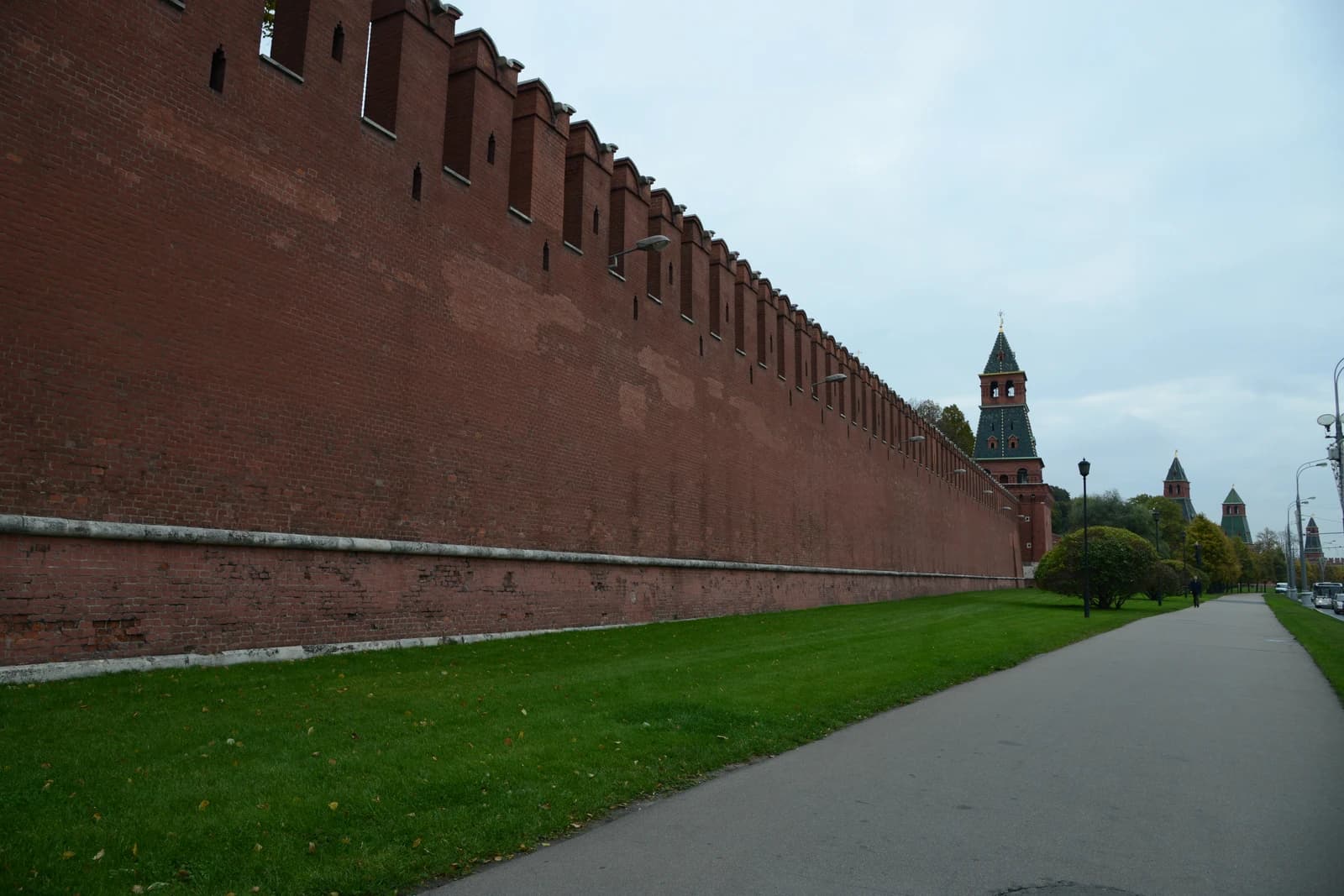
Putin used a speech on national unity to argue that foreign powers have long tried to “reduce” Russia’s strategic power and, if possible, “dismember” it, tying the current war to what he described as earlier historical attempts to carve up Russian territory. He also framed the conflict as part of a broader campaign by the West to sow internal turmoil in Russia rather than defeat it militarily.
Sentiment Indicators
The rhetoric matters because it leaves little room for compromise. Moscow is rejecting calls to freeze the fighting, even as renewed talks involving the U.S., Russia and Ukraine continue, and the Kremlin is signaling that it sees the war as existential rather than transactional.
At the same time, European countries are preparing for a scenario in which troops could be sent to Ukraine after hostilities end. A drill next week at the Nove Demba training ground near the Ukrainian border will bring together representatives from 11 countries in the so-called “coalition of the willing,” with France leading the exercise and Britain and an operational headquarters also involved.
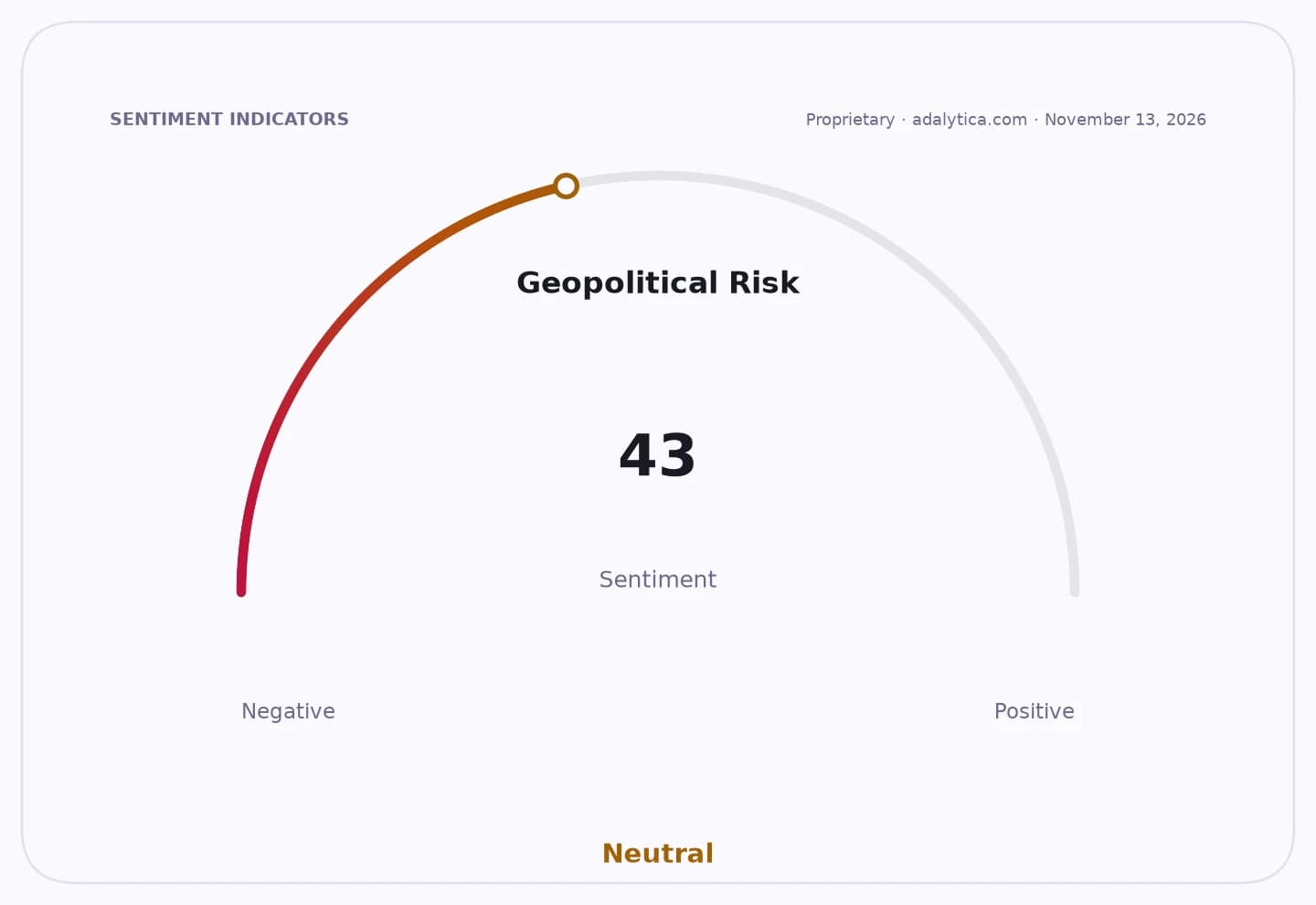
Geopolitical Risk — 30-day sentimentadalytica.com
Explore this data interactively — full history, time series and cross-market comparisons.
Moscow described that planning as a partial occupation of Ukraine, saying Poland would provide the bulk of any force. The official aim is to improve Ukraine’s security and deter another conflict, but the broader implication is that European capitals are already positioning themselves for influence over postwar Ukraine.
That keeps the economic stakes high. Prolonged conflict and the risk of a wider confrontation support defense spending, keep sanctions in place and sustain uncertainty in energy markets and supply chains. Adalytica’s Global Stability Sentiment stands at 43, still neutral but with “extreme fear” awareness, while its WTI oil trade signals show heightened caution as geopolitical risk premiums remain in play.
Oil and gold moves also reflect that backdrop. USO, the U.S. oil ETF, has dropped to $145.58 from a recent peak above $161, but it remains well above its 200-day moving average, while its RSI has fallen to 28.7, close to oversold territory. GLD has eased to $355.45, below its 200-day average of $408.42, even as investors keep a bid under haven assets when geopolitics deteriorates.
For markets, the immediate catalyst is whether diplomacy produces any real pause in fighting or whether Moscow’s hard line and Europe’s military planning push the war deeper into a longer strategic standoff. The longer that persists, the more investors must price for persistent geopolitical risk across energy, defense and European assets.
| Entity | Gains | Losses |
|---|---|---|
| Russia hawks | ▲Narrative control | ▼Peace compromise |
| European defense planners | ▲Strategic leverage | ▼Diplomatic flexibility |
| Oil and defense investors | ▲Risk premium | ▼Conflict de-escalation |
| Ukraine | ▲Security backing | ▼Postwar uncertainty |