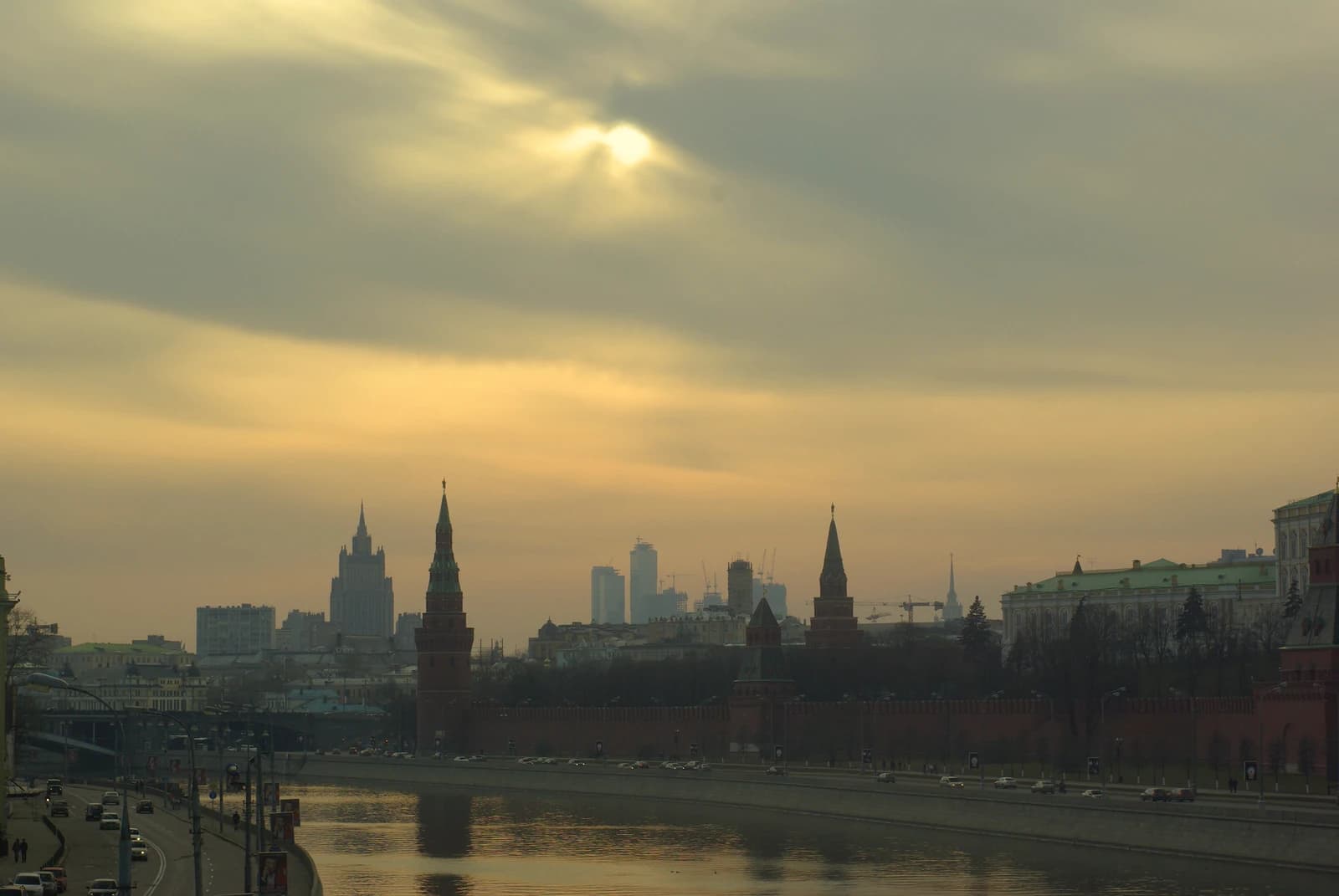
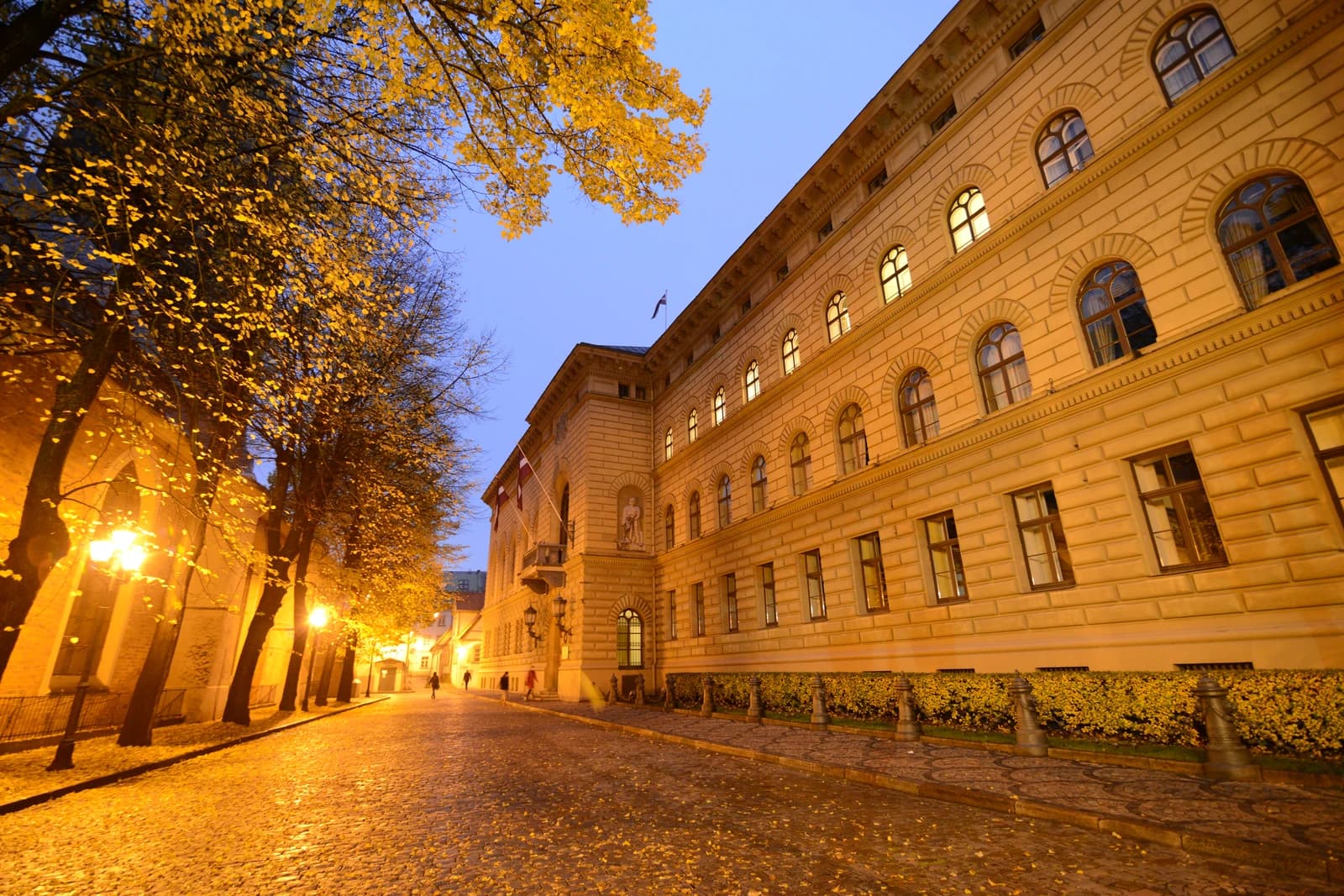
A former Latvian foreign minister is arguing that any future EU talks with Moscow should include a representative from Latvia, a sign of how tightly the bloc’s Russia policy remains bound to the Baltic states as tensions escalate and formal diplomatic channels stay frozen.
Latvia Role in Future EU Russia Talks
Janis Jurkans said Latvians speak Russian and “understand the Russian people,” making them better suited than Brussels officials to engage the Kremlin if negotiations ever resume. He also said Moscow would not be interested in talks with EU foreign policy chief Kaja Kallas, European Commission President Ursula von der Leyen or other outspoken critics of Russia.
The comments underscore a broader political divide inside Europe over who can credibly speak to Moscow after years of war, sanctions and mutual distrust. For investors, the significance is less about any immediate policy shift than about the durability of geopolitical risk: the longer the EU’s Russia stance is defined by confrontation rather than negotiation, the harder it is to see a rapid easing in sanctions, energy-security spending or defense outlays.
That matters as NATO boosts its presence in the Black Sea, Russia intensifies attacks on Ukrainian cities and European governments harden their security posture. The result is a diplomacy vacuum that keeps military risk elevated and leaves markets exposed to fresh shocks in energy, defense and Eastern European assets.
Jurkans also linked Latvia’s role in Europe to its geographic exposure on Russia’s border, echoing the region’s long-running effort to position itself as indispensable on security matters. Riga has already cast itself as a frontline defender of Europe against Moscow while seeking billions of euros in support, highlighting how the war has become a lever for both strategic relevance and budget demands.
If the war drags on and NATO-Russia tensions deepen, the Baltic states are likely to remain among the loudest advocates for a hard line. Any future opening for talks with Moscow would test whether the EU chooses its most hawkish members to speak for it, or looks for countries it believes can still keep a channel open.
| Entity | Gains | Losses |
|---|---|---|
| Latvia | ▲Diplomatic relevance | ▼Credibility if talks fail |
| EU hawks | ▲Hard-line leverage | ▼Room for compromise |
| Russia | ▲Potential familiar interlocutor | ▼EU unity against it |
| Defense sector | ▲Higher spending demand | ▼Peace-dividend hopes |