Russia is betting that floating nuclear power stations could become a new export theme in global energy, with Economy Minister Maxim Reshetnikov saying the technology may be a “hit” as coastal countries search for power to fill widening electricity deficits.
Russia Floating Nuclear Plants Export Pitch
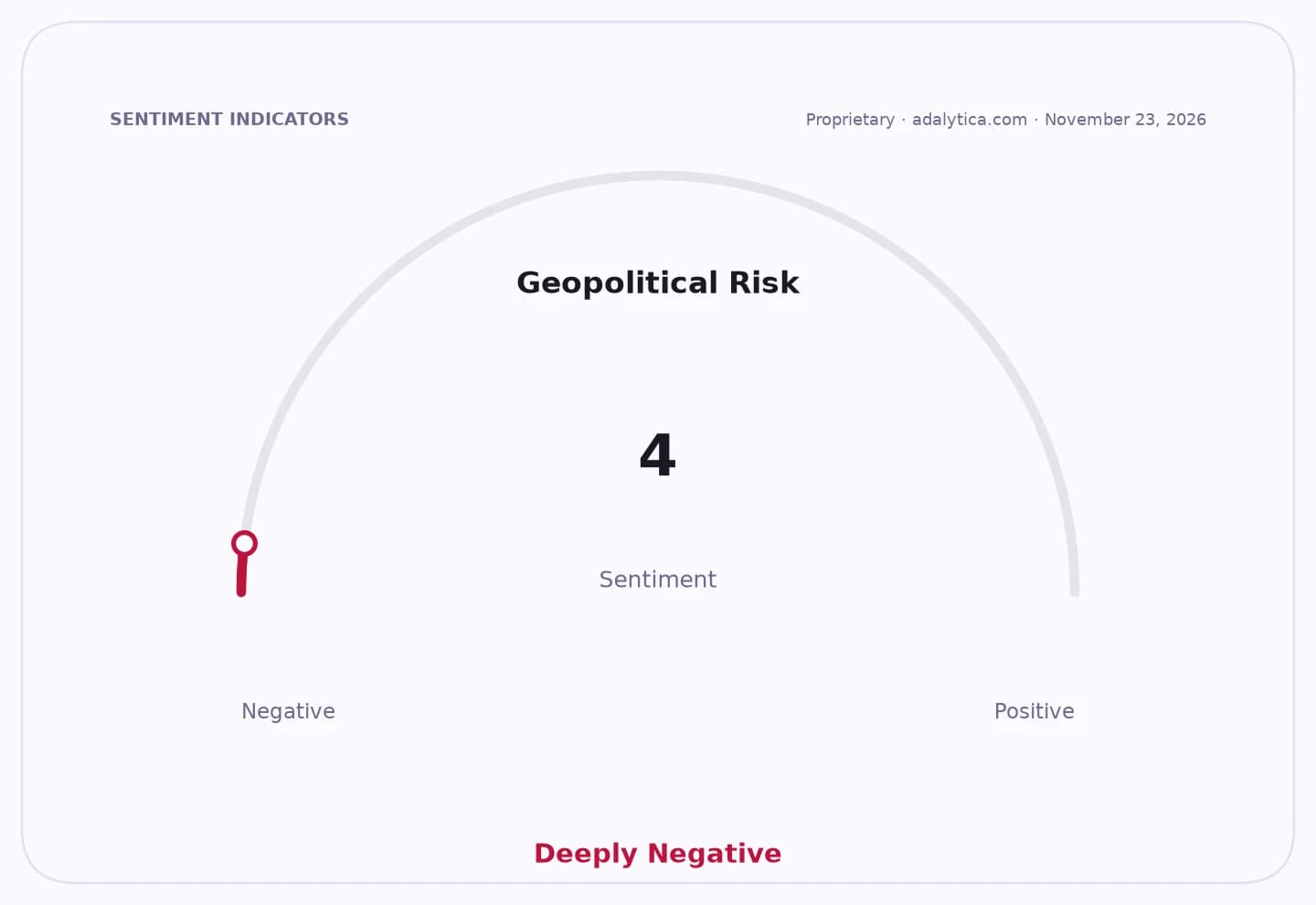
Geopolitical Risk
The pitch matters because it frames nuclear power not just as a domestic industrial project, but as a potential geopolitical and commercial tool for Russia at a time when the global energy system is being reshaped by supply insecurity, sanctions and the push for reliable low-carbon baseload power. Floating reactors would give Moscow a way to monetize its nuclear engineering base beyond the traditional land-based plant market, while also extending influence into regions where grid build-out is slow, financing is tight and electricity demand is rising faster than infrastructure.
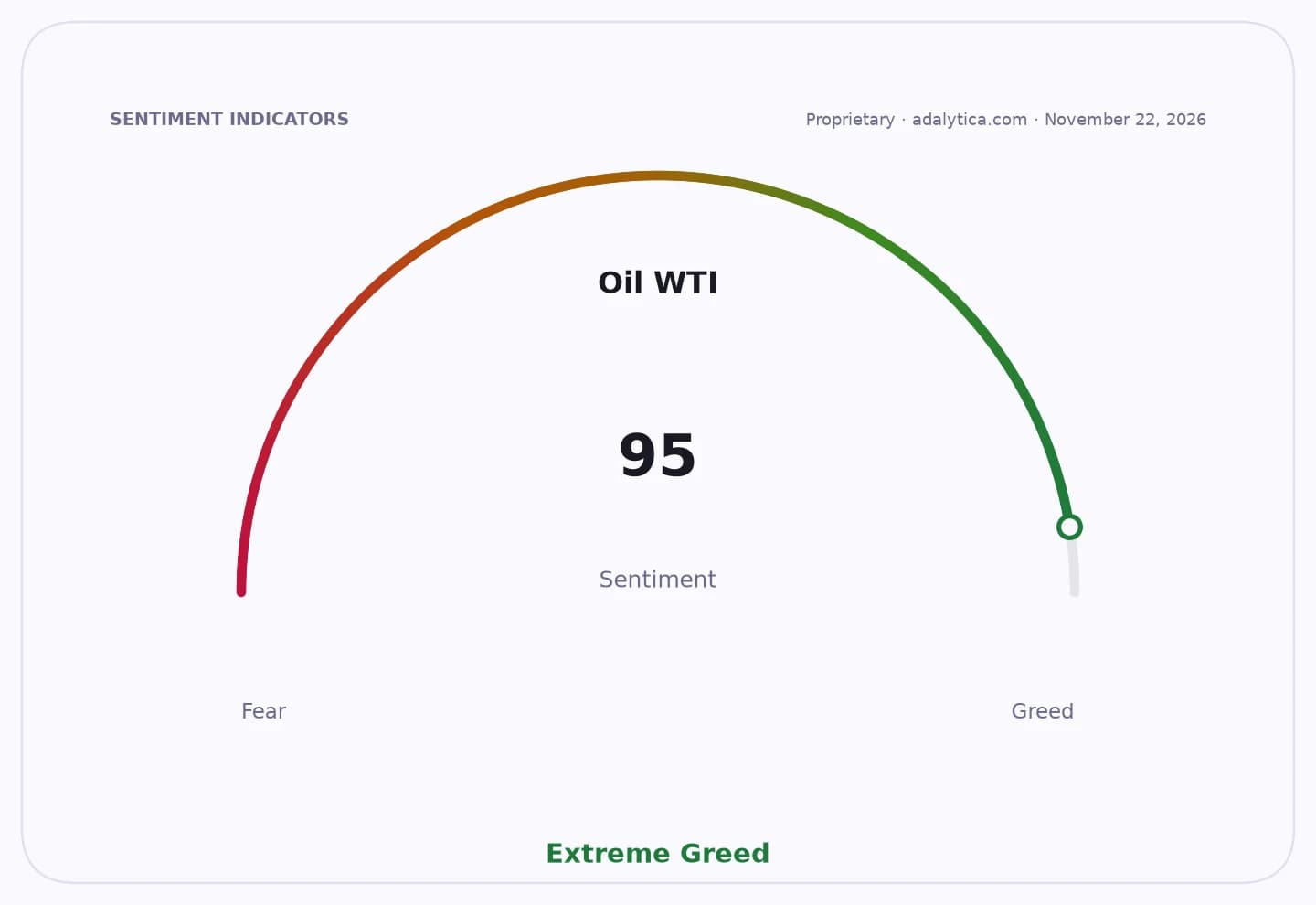
Sentiment Indicators
Geopolitical Risk
Reshetnikov said the units would be “very востребовано,” or in demand, because many coastal states face shortages of electricity. He made the remarks in an interview with RBC, adding that Russia is already building icebreakers and can further develop that industrial base. The minister tied the concept to projects in the Northern Sea Route, underscoring that the technology is aimed not only at export but also at supporting strategic Arctic industrial development.
President Vladimir Putin said in August that Russia is the world leader in nuclear plant construction and the only country with full-cycle nuclear energy capabilities, a claim that fits Moscow’s broader effort to position itself as a supplier of hard-to-replace energy infrastructure. For investors, the relevance is less about immediate revenue and more about the direction of Russian energy policy: Moscow is signaling that it wants to preserve and expand its role in global power generation even as its hydrocarbons trade faces sanctions pressure and higher geopolitical risk.

That comes against a market backdrop in which energy security remains a dominant theme. Oil prices have been volatile, U.S. energy ETFs such as XLE have backed off recent highs, and conventional risk measures still point to elevated geopolitical tension even as broader markets price in a cooler macro outlook. In that environment, nuclear power retains strategic appeal for governments seeking non-intermittent generation, especially in places where imported fuel logistics are costly or vulnerable.
The bull case for Russia’s floating reactor concept is that it could answer a real need: compact, mobile baseload power for island, Arctic or coastal markets that cannot wait years for full grid expansion. The bear case is equally clear: financing, regulatory approval, nuclear-safety concerns and political mistrust could limit buyers, especially in Western-aligned markets. For investors, the development is a reminder that Russia is trying to use nuclear technology as both an export industry and a foreign-policy lever, with the biggest commercial payoff likely to come in markets willing to trade political risk for energy reliability.
| Entity | Gains | Losses |
|---|---|---|
| Russia’s nuclear industry | ▲Potential export demand | ▼Higher scrutiny and financing hurdles |
| Coastal electricity buyers | ▲Compact power supply | ▼Dependence on Russian technology |
| Global nuclear competitors | ▲Benchmark for niche demand | ▼Lost market share opportunity |
| Fossil-fuel generators | ▲Lower near-term competition in some markets | ▼Pressure from non-fossil baseload alternatives |