Russia’s effort to keep gasoline and jet fuel flowing at home is becoming a bigger economic story than its export trade, with workers telling officials that new measures are needed to meet domestic demand after Ukrainian strikes hit refineries.
Russia fuel shortages hit refineries and exports
That matters because fuel shortages are not just a wartime inconvenience. They raise transport costs, disrupt industry, squeeze consumer spending and force Moscow to tighten control over one of its most important revenue streams. Russia has already extended its ban on jet fuel exports until March 31, 2027, underscoring how serious the disruption has become.
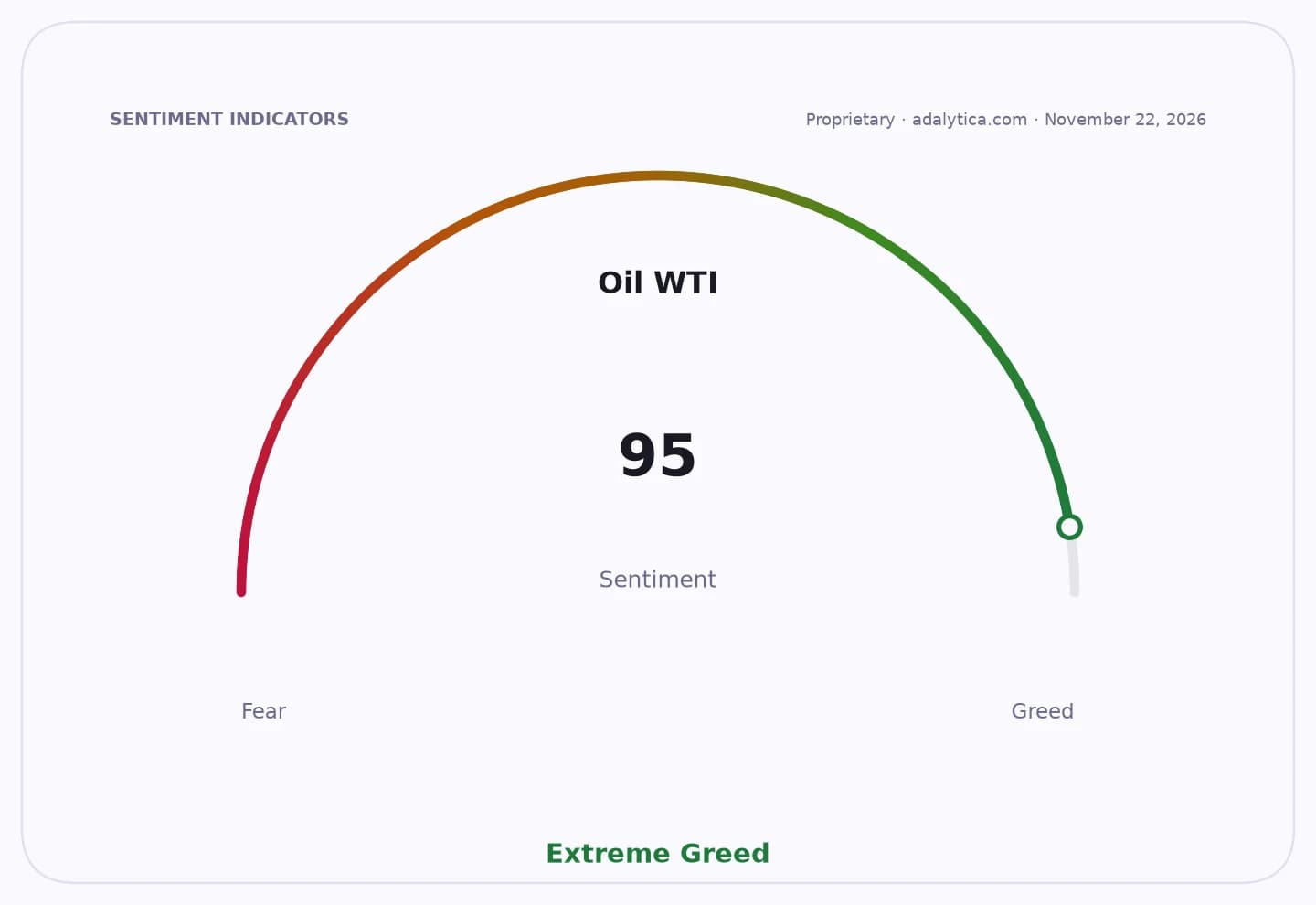
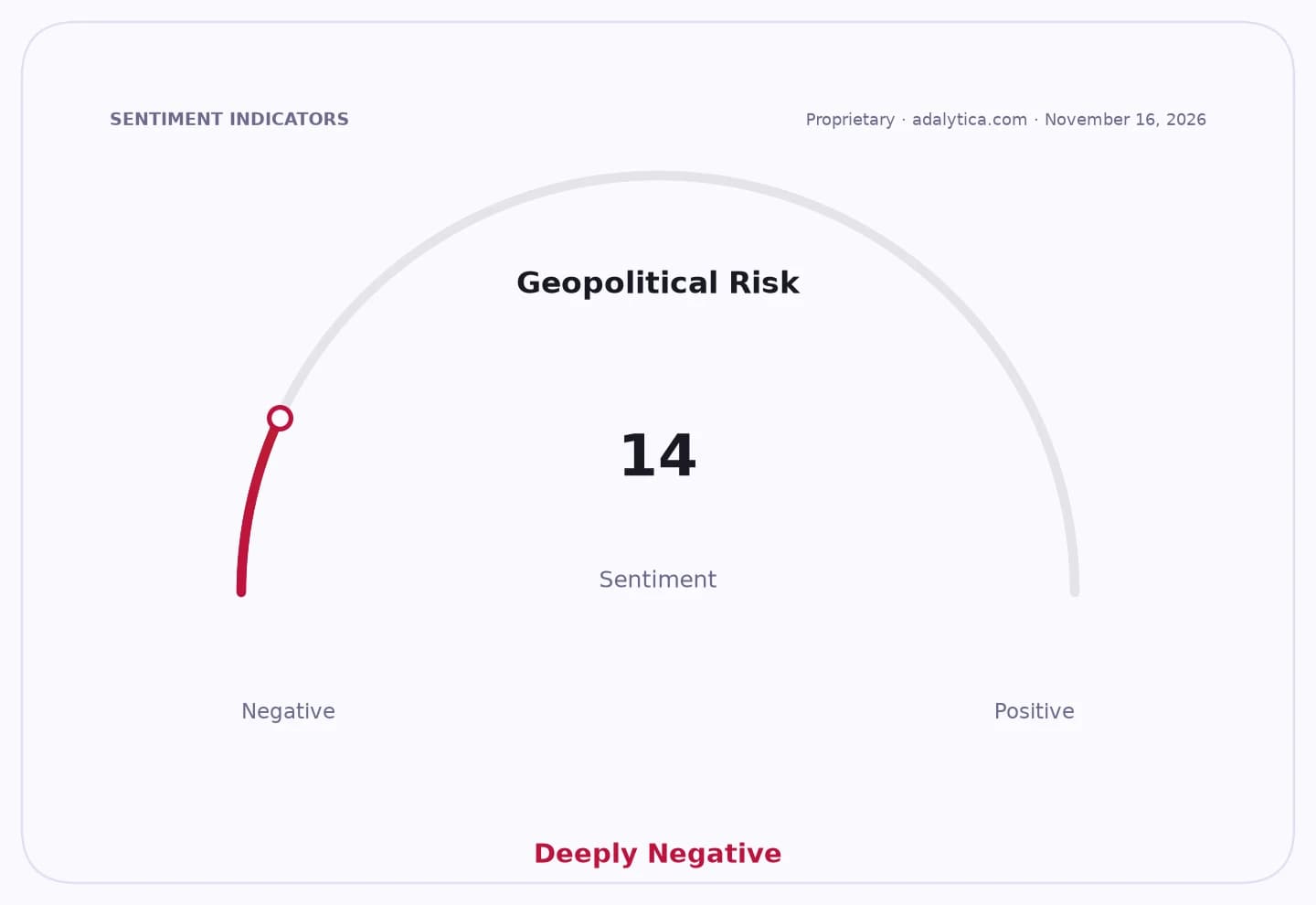
Sentiment Indicators
For investors, the key takeaway is that the war is increasingly hitting the downstream side of the energy market, not just crude supply. When refineries are damaged, crude can still be produced, but the system loses the ability to turn that barrel into diesel, gasoline and jet fuel. That can lift margins for refiners outside Russia while keeping oil markets volatile.
The pressure is showing up in market pricing too. U.S. oil proxy USO has swung sharply in recent weeks, while energy equities have been more resilient than broader markets even as technical indicators for the fund point to weakening momentum. Brent- and WTI-linked volatility tends to benefit diversified producers and refiners over time, but it also reminds investors that energy remains highly exposed to geopolitical shocks.
The broader narrative is simple: Russia is trying to manage a domestic fuel crisis created by the war itself. Export restrictions may protect local supply in the short run, but they also highlight a structural vulnerability in the country’s energy infrastructure. As long as refinery capacity stays under pressure, Moscow is likely to keep prioritizing domestic consumption over export income.
For long-term investors, this is another reason to favor energy names with strong balance sheets, diversified assets and refining exposure outside the conflict zone. The trade here is less about timing the next spike and more about owning businesses that can keep compounding through a volatile cycle. Worth watching, not chasing.
| Entity | Gains | Losses |
|---|---|---|
| Russian consumers | ▲Short-term fuel access | ▼Higher inflation pressure |
| Russian government | ▲Domestic supply control | ▼Export revenue |
| Global refiners | ▲Stronger product margins | ▼More volatility |
| USO / energy traders | ▲Trading volatility | ▼Momentum stability |