Trump’s latest attack on Iran and Democrats is really about one thing investors care about most: whether political pressure can keep U.S. fuel costs from re-accelerating even as crude has already pulled back from recent highs.
Oil Prices Fall as Trump Presses for Lower Fuel Costs
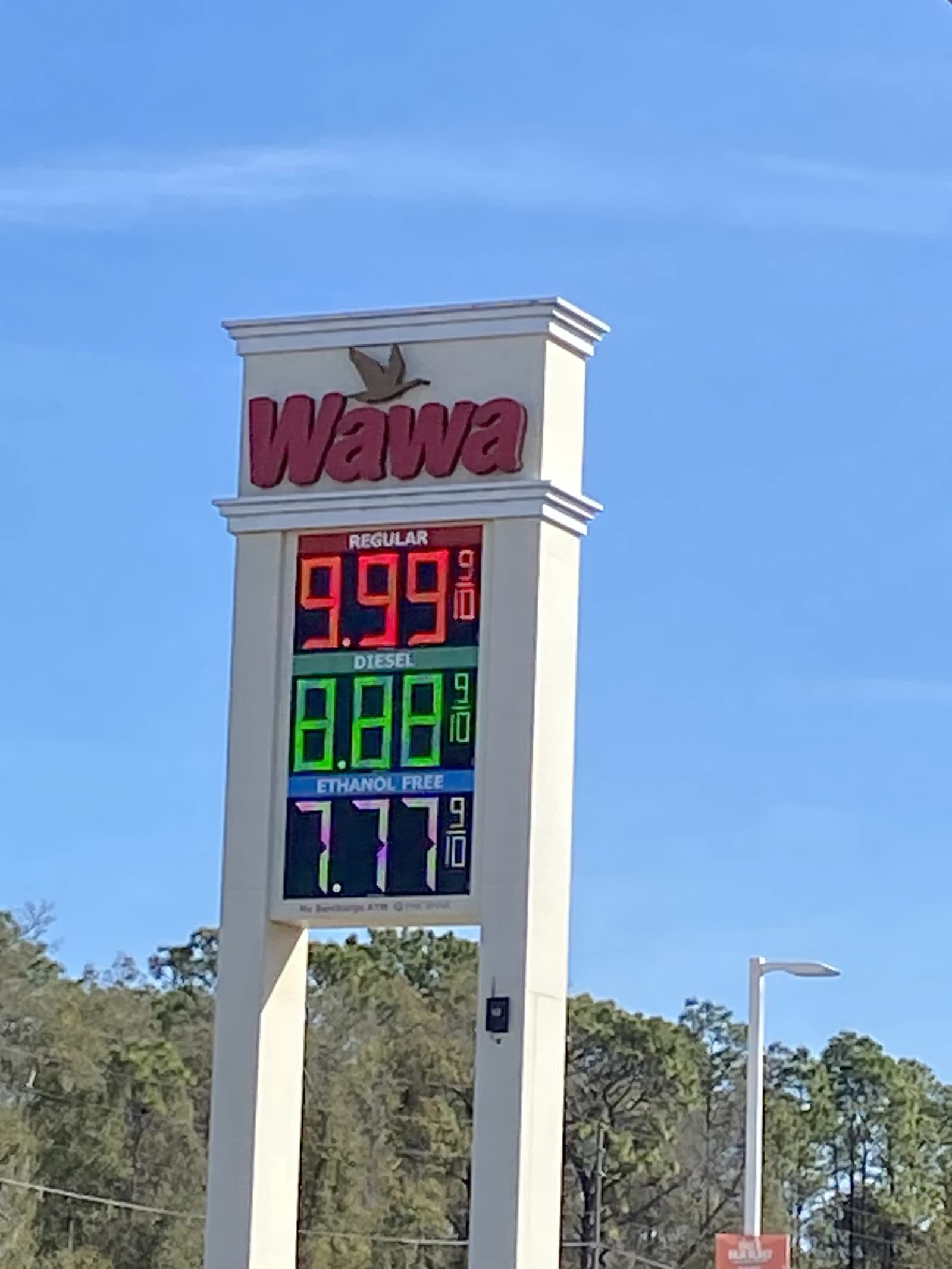
The president said oil prices fell sharply after the election and accused Democrats and Tehran of trying to keep gasoline expensive, a message aimed squarely at voters and markets alike. The timing matters because energy remains one of the fastest ways inflation can reassert itself, and gasoline is still the most visible price in the economy for consumers. When crude jumps, it quickly feeds into transport costs, shipping, plastics and headline inflation expectations; when it falls, it gives households and policymakers breathing room.
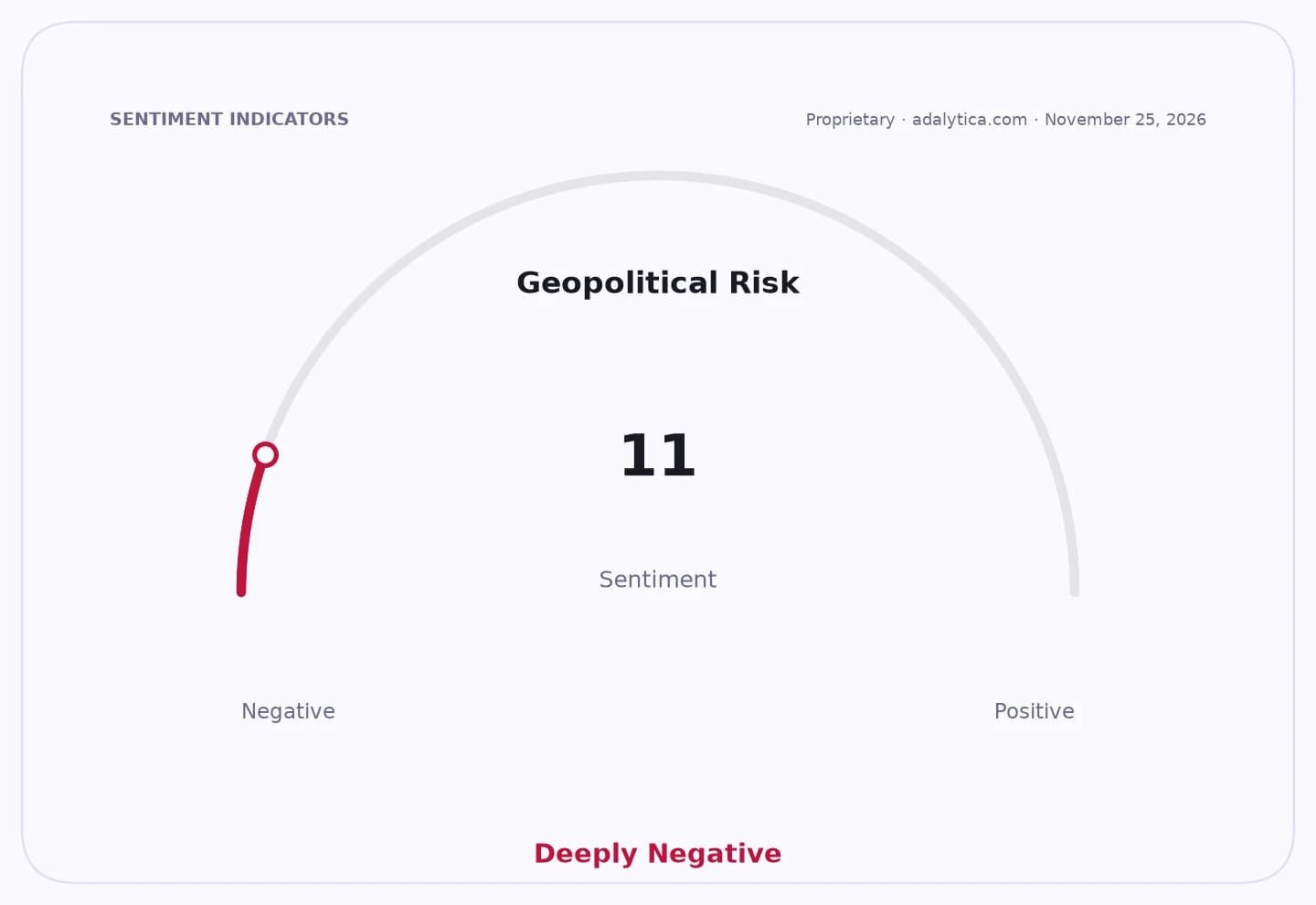
Sentiment Indicators
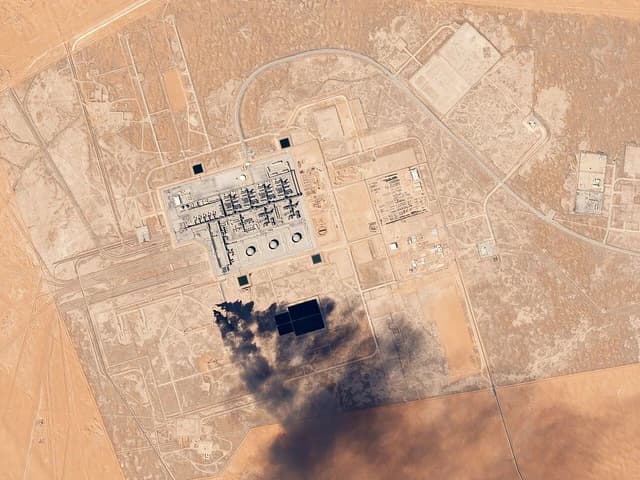
That backdrop has grown more important as crude has turned volatile again. U.S. WTI settled at $81.34 a barrel on Nov. 25, down from more than $109 in late October and well below this year’s spring peaks. The 50-day moving average and 200-day moving average for oil both remain above the current price, while RSI readings around 28 point to a deeply oversold market. In plain terms, the recent drop has been swift enough to cool the near-term inflation impulse, but not so decisive that traders can ignore another supply shock from the Middle East.
That is why Trump’s rhetoric matters beyond politics. A lower oil price is a direct tailwind for consumers, airlines, trucking, chemicals and the Federal Reserve’s inflation fight. It is also a headwind for integrated producers and oilfield service companies that have benefited from the year’s earlier rally. The move in the market has already shown up in the energy complex: the Energy Select Sector SPDR has slipped back toward the low end of its recent range, while crude-tracking vehicles such as USO have dropped from above $160 in September to about $135, with its RSI in the low 30s, signaling fading momentum.
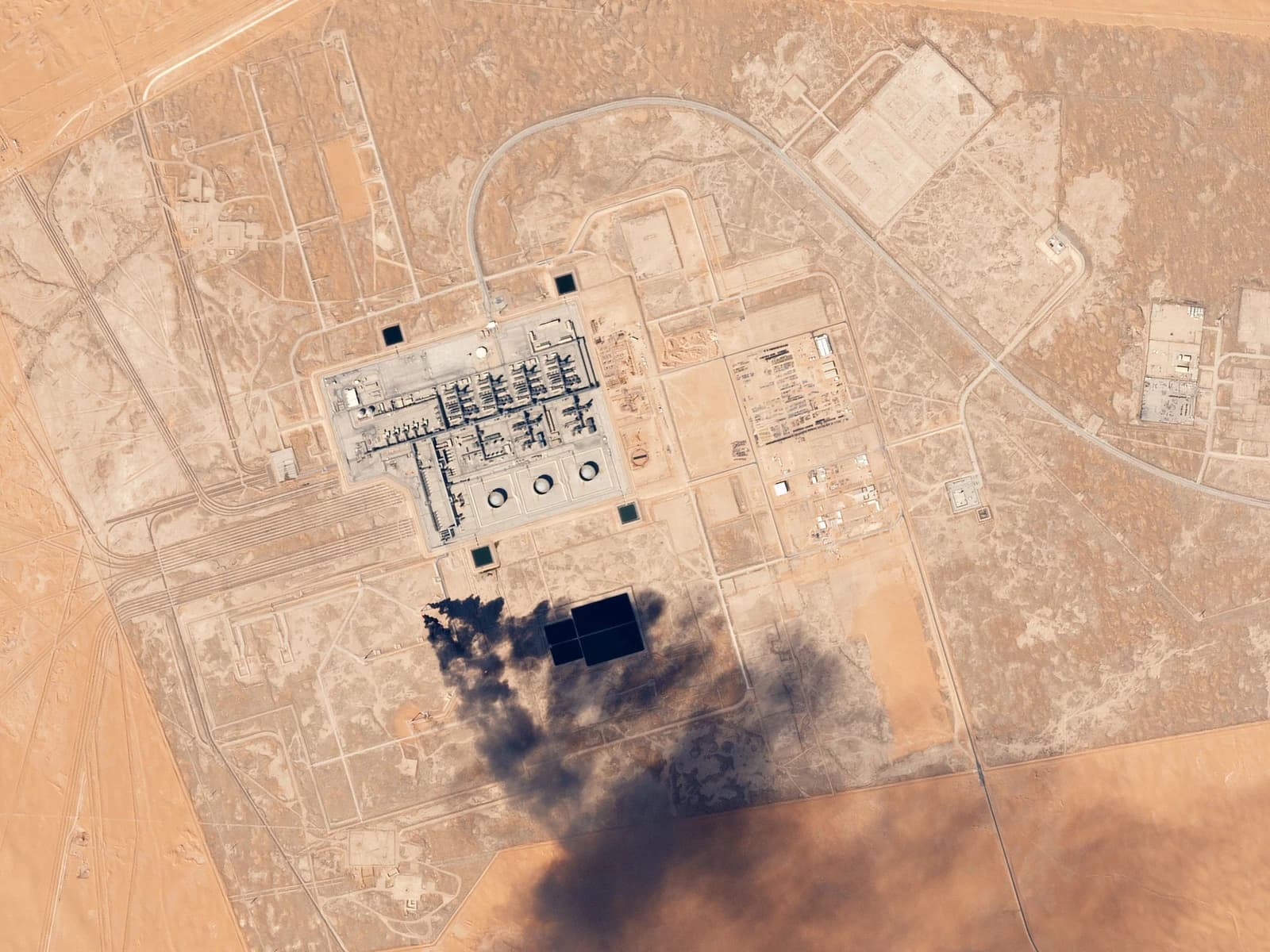
Investors should read the message this way: the administration wants cheaper energy to keep inflation contained, but geopolitics can overwhelm politics fast. Attacks in the region, tanker disruptions and any renewed sanctions risk could still reverse the slide. For now, the more investable setup is to favor industries that win from lower feedstock and fuel costs while staying selective on energy producers that depend on sustained crude strength.
The market underestimates how quickly a crude downdraft can filter into bonds, inflation-sensitive sectors and consumer spending. If oil stays near current levels, it supports the case for easier financial conditions and relieves pressure on importers and refiners’ customers. If Middle East tensions flare again, the trade flips just as fast. That asymmetry is exactly why energy politics remains one of the most tradable macro themes going into year-end.
| Entity | Gains | Losses |
|---|---|---|
| Consumers | ▲Lower gasoline costs | ▼Less urgency for energy windfall policy |
| Airlines/transport | ▲Cheaper fuel | ▼Less fuel-price hedging upside |
| Oil producers | ▲Higher-price rebound risk | ▼Softer crude margins |
| Inflation-sensitive assets | ▲Cooler inflation expectations | ▼Less protection from energy spikes |