Brent crude’s drop below $90 a barrel is the clearest sign yet that the market is starting to price in looser supply, not tighter geopolitics, and that shift matters immediately for inflation, central banks and energy stocks.
Brent crude falls below $90 as Iraq boosts output
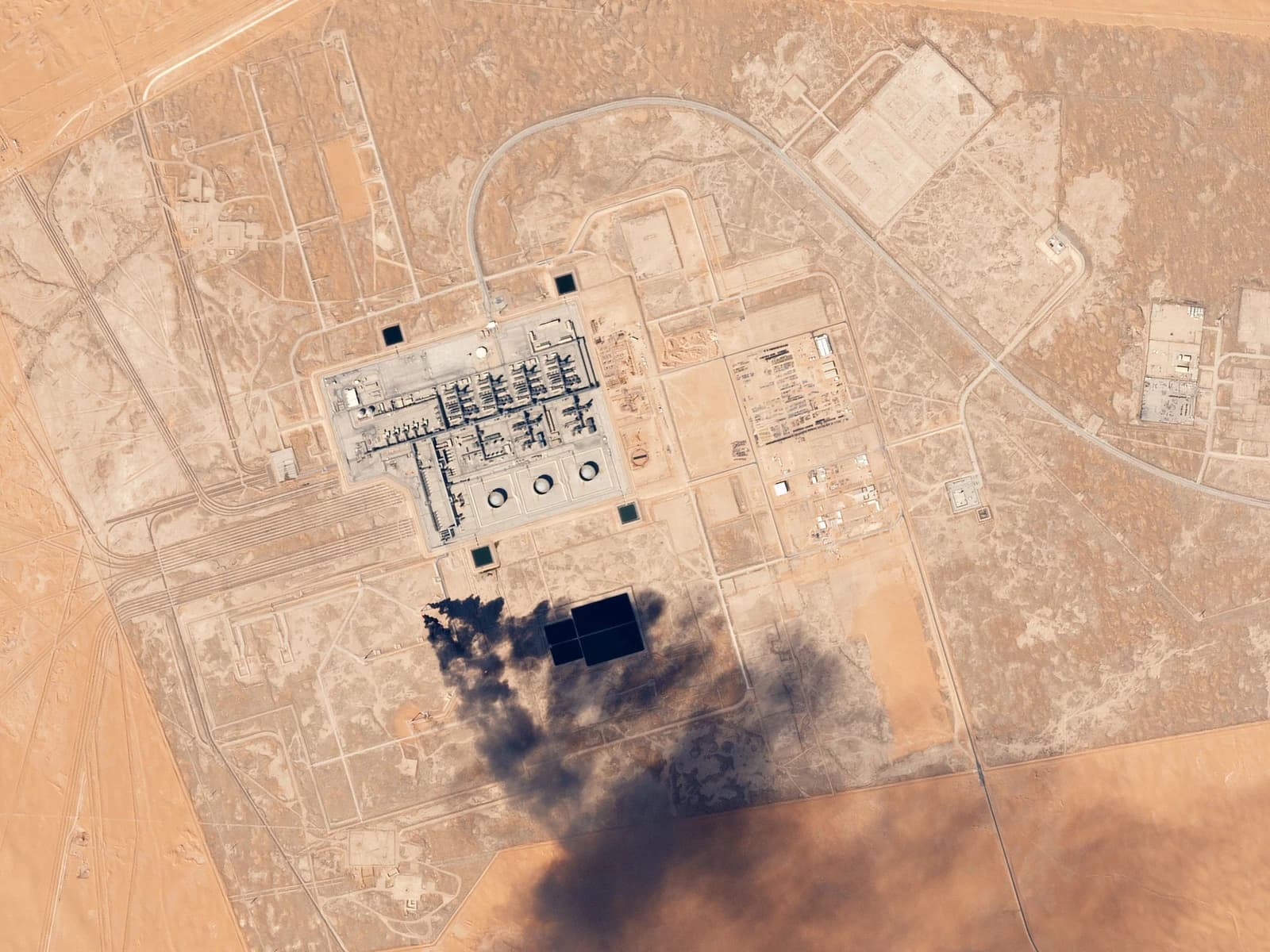
The most important development is not the round-number breach itself, but the fact that crude is easing even as Iraq pushes production higher and the broader market keeps reassessing how long the world can rely on tight fossil-fuel balances. That combination points to a market that is less willing to pay up for every geopolitical flare-up, at least for now.
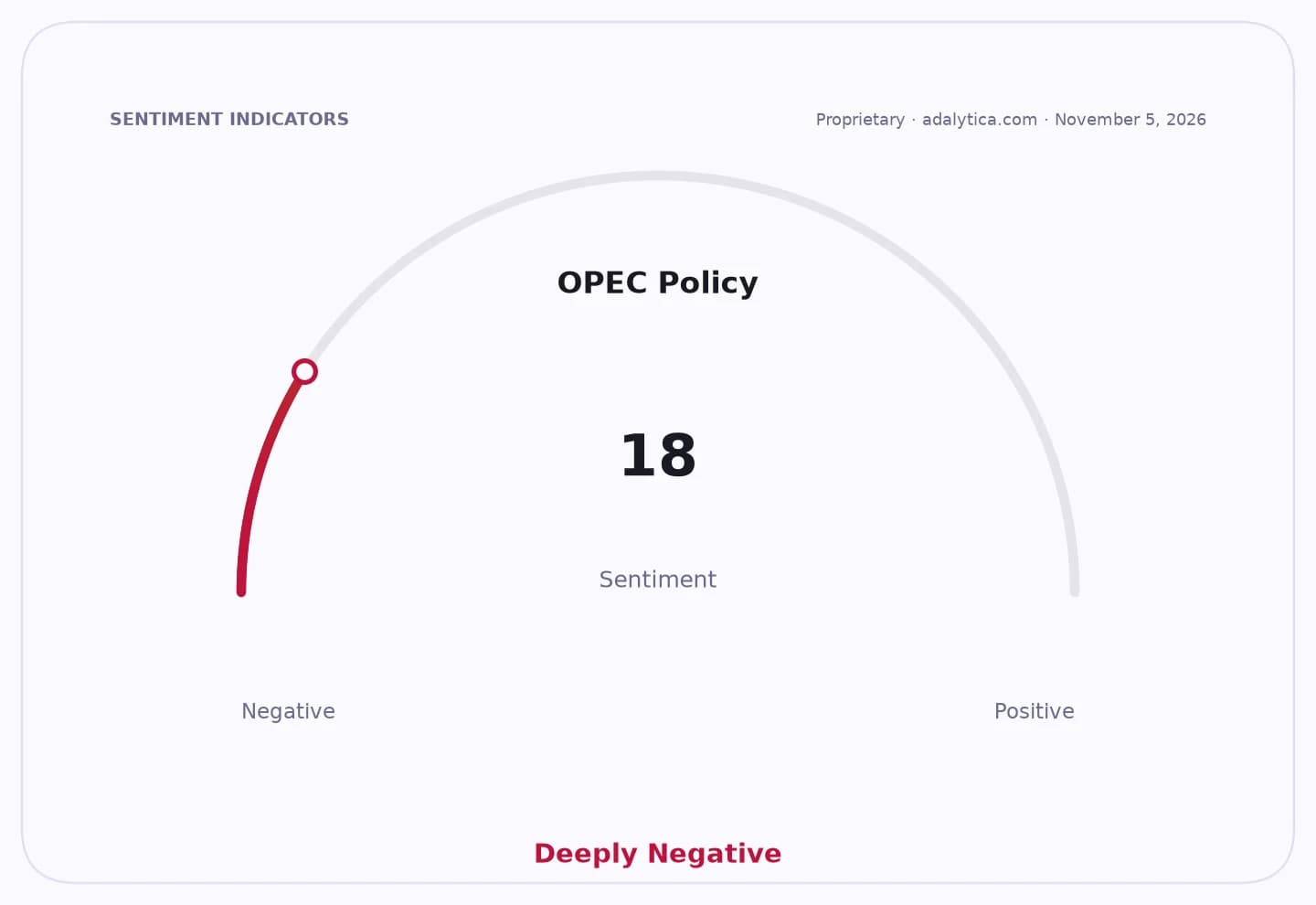
Sentiment Indicators
For the global economy, cheaper oil is a rare disinflationary tailwind. Lower crude prices feed directly into transport, shipping and input costs, which can help soften headline inflation at a time when consumer prices remain elevated. The latest U.S. CPI reading was still running at 337.476 in October, with the next print projected at 338.6475, so any sustained pullback in energy could give policymakers a little more room on rates. That matters even more with the U.S. 10-year yield around 4.92% to 5.04%, a level that keeps financial conditions tight and makes energy-driven inflation shocks especially painful.
For investors, the message is more nuanced. Brent below $90 does not just pressure oil producers; it reshapes leadership across sectors. The oil-sensitive complex has already reflected the move, with the USO ETF falling to 135.43 from above 161 in mid-September, while the XLE energy ETF has slipped to 60.45 from a recent peak near 70.02. That is not yet a collapse, but it does show capital rotating away from the most crowded energy exposure as traders reassess whether crude can sustain the prior momentum. BNO, the Brent proxy, has also retreated to 57.75, and its technical profile has weakened, with RSI readings falling to 42.2 after briefly dropping below 30, a sign of oversold but still fragile trading.
The deeper narrative is that oil is losing some of the pricing power it enjoyed when supply fears dominated. Iraq’s decision to boost output adds another reminder that producers are still chasing volume, even as the market worries about demand durability and the long transition away from fossil fuels. When supply rises into a market already sensitive to growth concerns, prices can reset quickly. That tends to reward refiners, transport users and broader consumer sectors while hurting exploration and production names, especially those that need higher oil to defend cash flow and buybacks.
The market underestimates how important this kind of move can be if it persists. A Brent break below $90 is often treated as a headline, but the real investment takeaway is that it can mark the start of a broader unwind in energy inflation expectations. If crude stays under that threshold, the beneficiaries are likely to be airlines, shippers, industrials and consumers; the losers are the upstream producers and the energy-heavy trades that were built around perpetual scarcity. Investors should watch whether Brent holds below $90 and whether U.S. rates and the dollar react, because that would confirm a shift from an oil-led inflation regime toward one where cheaper energy becomes a genuine macro tailwind.
| Entity | Gains | Losses |
|---|---|---|
| Consumers | ▲Lower fuel costs | ▼— |
| Airlines and shippers | ▲Cheaper input costs | ▼Higher hedge losses |
| Energy producers | ▲— | ▼Margin pressure |
| XLE / oil ETFs | ▲— | ▼Rotation out of energy |