WTI crude slipped to $82.94 a barrel on Friday as traders weighed a larger-than-expected rise in U.S. oil inventories against fresh attacks in the Middle East, keeping the market on track for a weekly decline despite persistent geopolitical risk.
WTI crude falls to $82.94 on U.S. inventory build
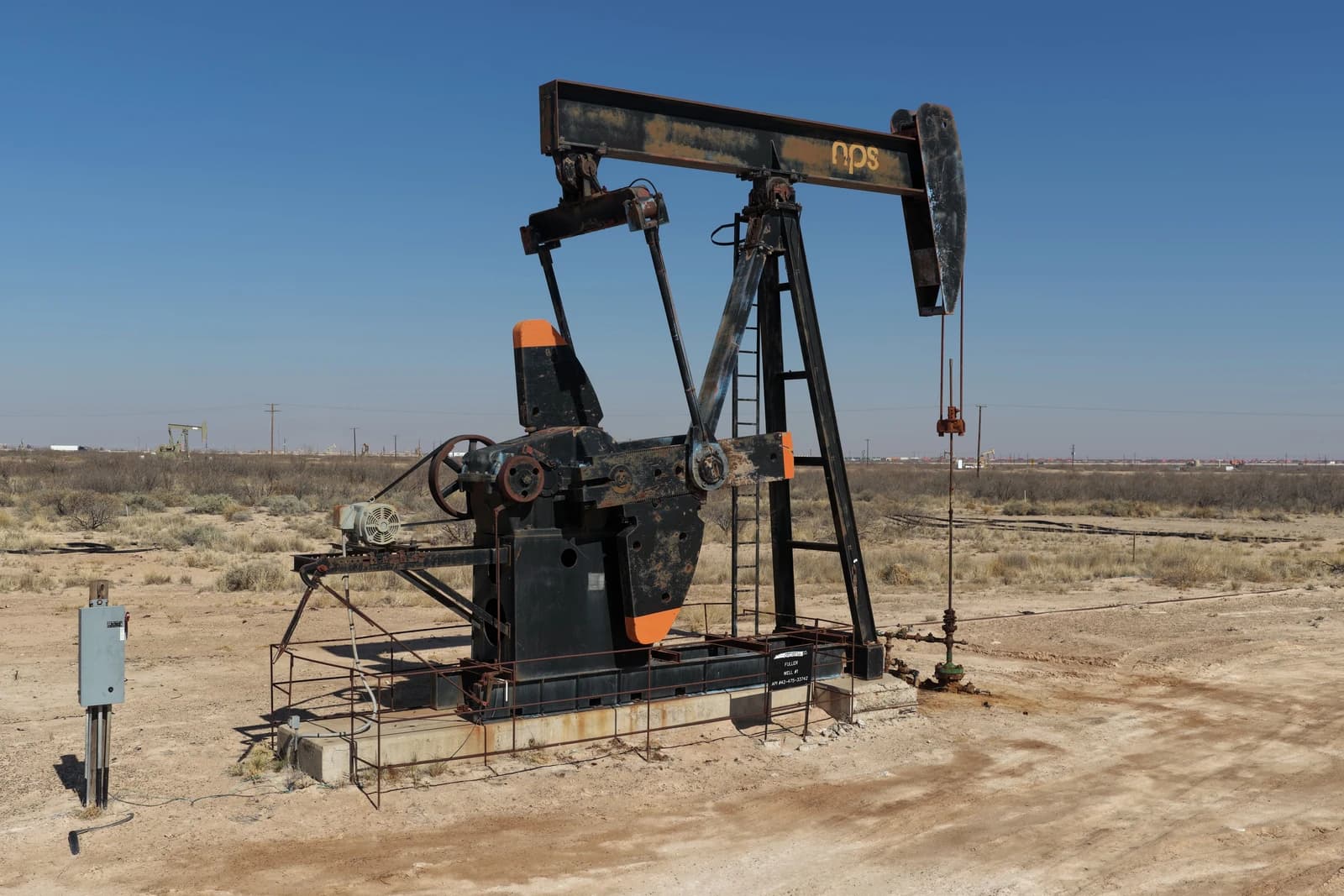
The benchmark West Texas Intermediate contract for December delivery was down 32 cents, or 0.4%, at 9:00 a.m. local time, extending losses after the Energy Information Administration said U.S. crude stocks rose more than investors expected. The build was notable because it excluded barrels held in the Strategic Petroleum Reserve, underscoring that commercial supply was still loosening even with unrest in the Middle East.
Sentiment Indicators
That combination matters because it leaves oil caught between two forces that usually push prices in opposite directions. Rising inventories point to softer near-term demand or stronger supply, which pressures prices and can narrow margins for producers. Escalating conflict, meanwhile, tends to add a geopolitical premium that supports crude and boosts energy shares.
For investors, the move reinforces how fragile the recent rally in oil has become. Energy producers such as Occidental Petroleum and Chevron remain highly exposed to WTI pricing, while refiners and fuel distributors watch closely for shifts in feedstock costs and crack spreads. The latest pullback also comes after a volatile stretch in which supply concerns and Middle East tensions repeatedly jostled the market.
The broader market signal is mixed as well. U.S. crude has retreated even as attacks continue in the region, suggesting traders are giving more weight to domestic supply data than to headline risk for now. That leaves oil vulnerable to further swings if inventory trends stay soft or if the conflict escalates enough to threaten shipments through key routes.
| Entity | Gains | Losses |
|---|---|---|
| U.S. refiners | ▲Cheaper crude input | ▼Less pricing support |
| Oil producers | ▲Geopolitical premium | ▼Lower benchmark price |
| Energy stocks | ▲Volatility-driven trading | ▼Margin pressure from weaker crude |
| Consumers | ▲Lower fuel costs | ▼Less relief if tensions spike again |