Russia’s self-employed lobby is pressing the government to draw a formal line between gig-platform work and full employment, a move that could shape how millions of couriers, drivers and other app-based workers are classified, taxed and protected.
Russia self-employed groups seek gig worker criteria

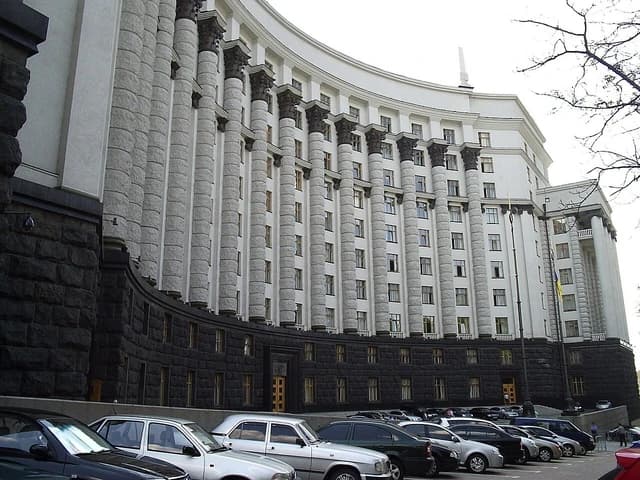
The Association of Self-Employed People of Russia, which says it has 400,000 members, and the independent platform workers’ union Novy Trud have asked Prime Minister Mikhail Mishustin’s cabinet to set out official criteria for distinguishing platform employment from labor relations, according to a joint letter seen by Vedomosti.
Sentiment Indicators
The groups argue that classification should depend on the full set of working conditions, not just the terms written into an app contract. Among the red flags they want regulators to weigh are instructions given outside the platform order card, sanctions not covered by the offer or agreement, management shifting to off-platform messaging channels and the “manual” assignment of a specific performer.
The push lands as Russia and other governments move to tighten oversight of the gig economy without fully dismantling the contractor model that underpins many delivery and ride-hailing businesses. For workers, clearer criteria could improve access to labor protections, pensions and social insurance; for platforms, it could raise compliance costs and expose them to reclassification risks if the rules become more restrictive.
Job Market
Investors in global app-based labor platforms have been watching worker-classification rules closely because they can alter margins, operating flexibility and legal risk. Uber, Lyft and DoorDash have all disclosed in filings that changes in employment standards and contractor rules in various jurisdictions could affect their businesses, underscoring why even a domestic Russian clarification matters beyond the country’s borders.
The immediate question is whether the Kremlin treats the request as a technical clarification or the start of a broader reset for platform labor. Any formal guidance would likely reverberate through Russia’s fast-growing gig sector and could become a reference point for further enforcement, taxation and benefit-policy changes.
| Entity | Gains | Losses |
|---|---|---|
| Self-employed workers | ▲clearer protections | ▼weaker contractor ambiguity |
| Platform companies | ▲legal clarity | ▼higher compliance risk |
| Russian government | ▲better enforcement | ▼added regulatory burden |
| UBER, LYFT, DASH | ▲policy visibility | ▼reclassification uncertainty |