Russia is preparing to let government agencies make purchases through online marketplaces, a move that could strip out layers of bureaucracy, speed up routine buying and channel more public spending toward the country’s biggest e-commerce platforms.
Russia online marketplaces for government purchasing
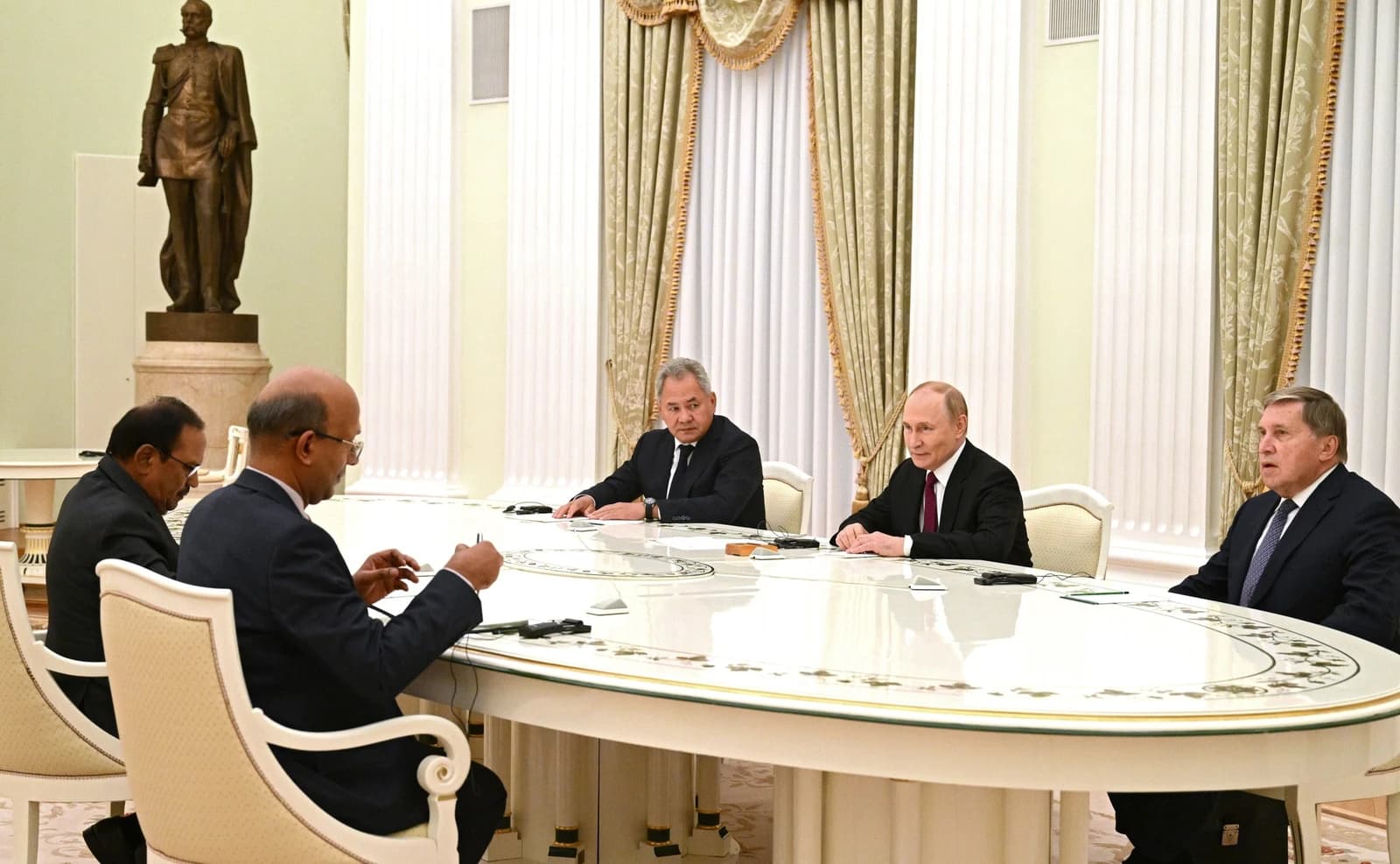
President Vladimir Putin said the government wants to test the system in the Far East before rolling it out nationwide, framing the change as a way to make something as mundane as buying pencils for schools faster and simpler. For Russia’s economy, that matters because procurement is a huge, sticky flow of demand. If even small, recurring purchases move onto marketplaces, it could improve efficiency for public buyers while giving digital retailers a steadier source of volume.
The bigger story is not just convenience. It is the modernization of state purchasing in a country where procurement has often been slowed by intermediaries, paperwork and uneven oversight. A marketplace model could reduce transaction costs, shorten delivery times and broaden access to suppliers, especially in remote regions. That makes it a potentially meaningful reform for Russia’s logistics and retail infrastructure, even if the first phase is limited to the Far East.
For investors, the obvious winners are the large platform operators and the logistics networks that sit behind them. Amazon is not a direct beneficiary here, but the policy logic echoes the long-term thesis behind large e-commerce ecosystems: once government procurement becomes digitized, the platform with the deepest seller base, distribution reach and payment rails tends to capture more of the spend. In a broader sense, any shift from fragmented manual procurement to platform-based buying supports scale players over smaller intermediaries.
There are still execution risks. Government buying is highly regulated for a reason, and public procurement in any market can be vulnerable to favoritism, cost overruns and weak controls if oversight lags the technology. Russia says it will begin with a pilot in the Far East, which is sensible, but investors should watch whether the model actually expands, whether procurement rules are tightened to match it and whether suppliers embrace the new channel.
Still, the direction of travel is clear: more state spending is moving online, and that favors the companies built to handle high-frequency transactions at scale. For long-term investors, it is worth watching as another example of how digital commerce keeps creeping into corners of the economy once reserved for paperwork and middlemen.
| Entity | Gains | Losses |
|---|---|---|
| Russian government buyers | ▲Faster, simpler procurement | ▼Less manual control |
| Marketplace operators | ▲More transaction volume | ▼Compliance burden |
| Traditional middlemen | ▲— | ▼Fewer roles |
| Suppliers in remote regions | ▲Wider access to contracts | ▼More price transparency |
