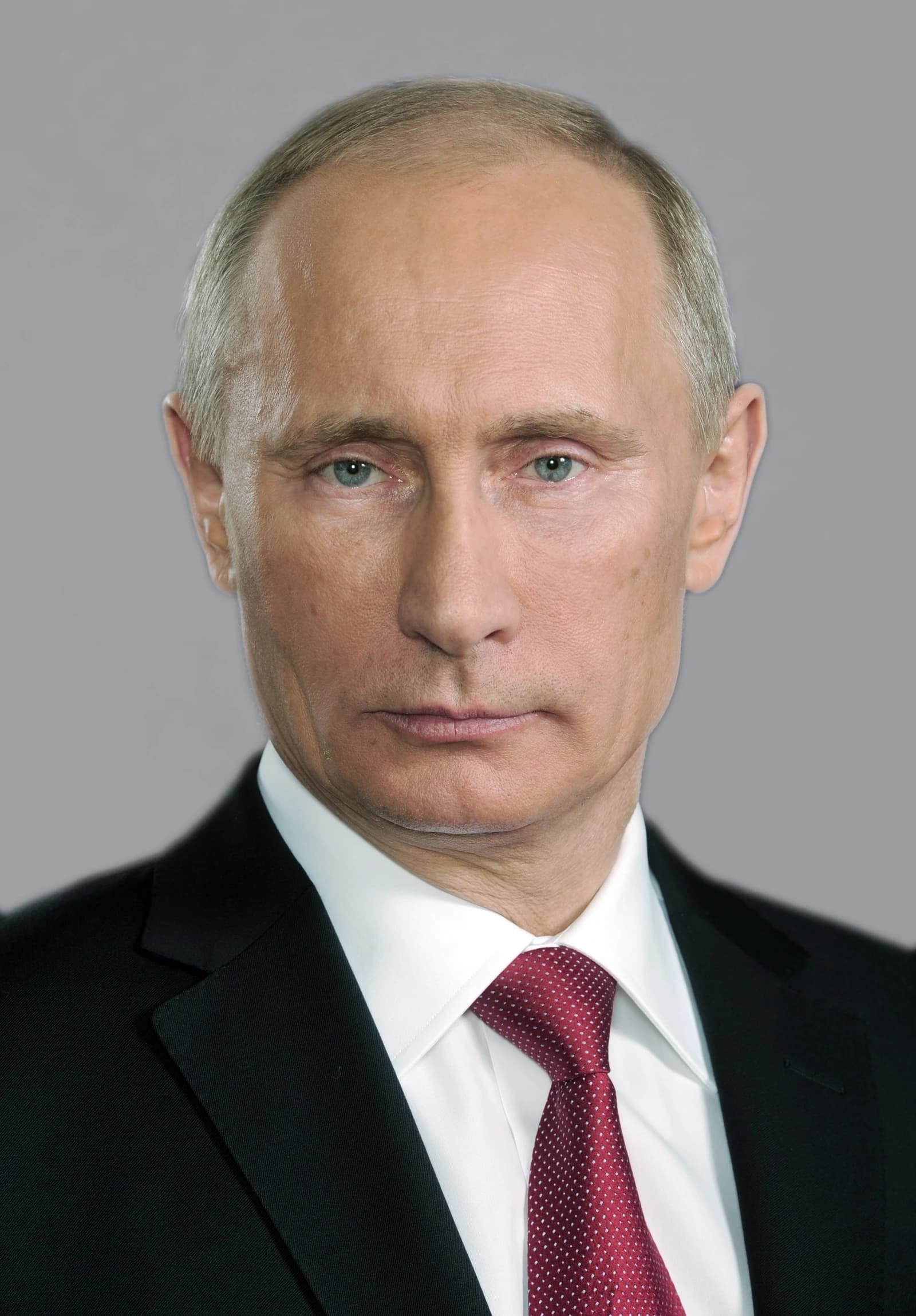
Russia’s foreign minister has framed the exodus of dissenting citizens as a cleansing of sorts, underscoring how the war in Ukraine is hardening Moscow’s political line just as Europe prepares to widen sanctions and the conflict grinds on with no peace deal in sight.
Russia sanctions, brain drain, and war economics
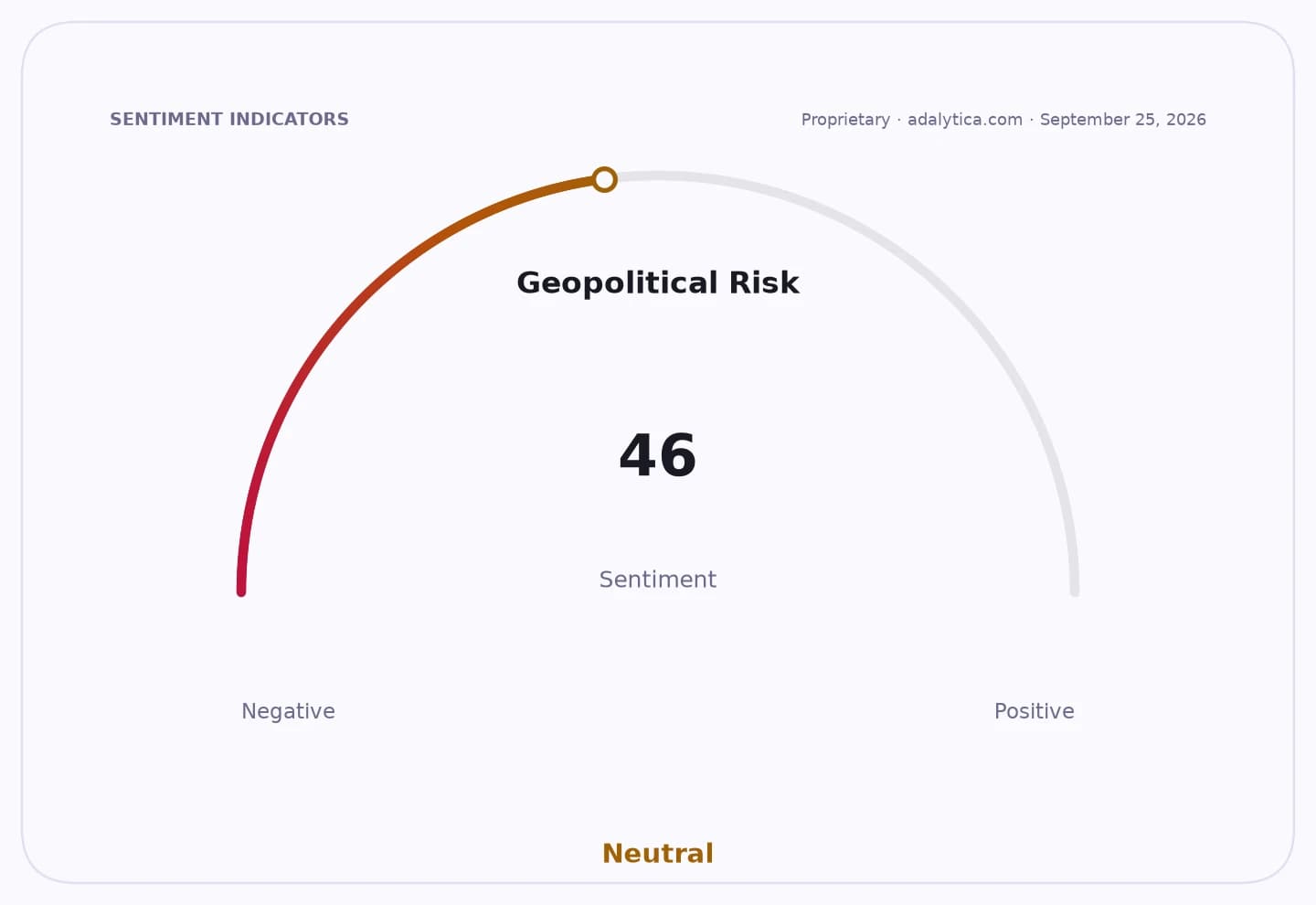
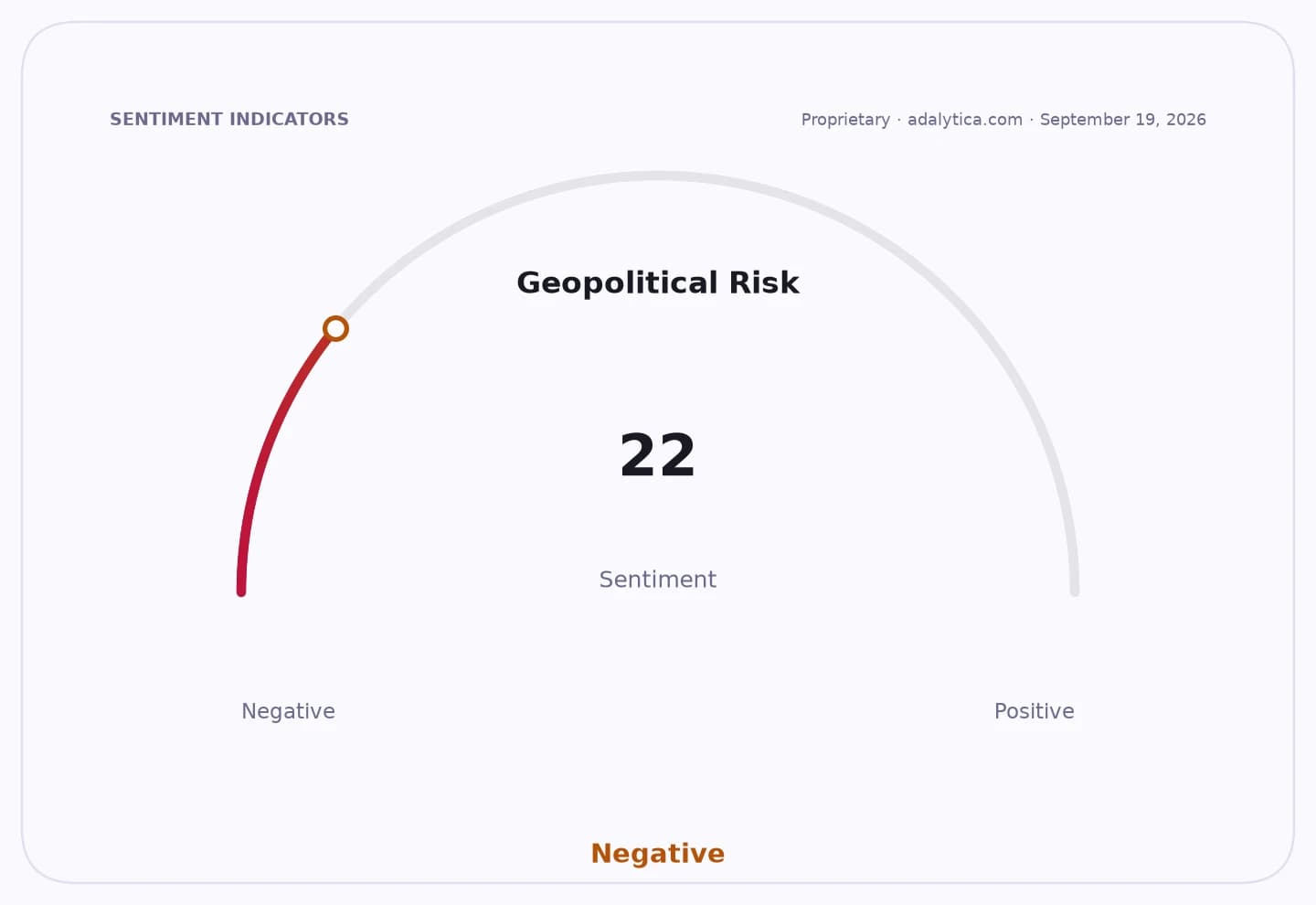
That matters because Russia’s wartime posture is no longer just a battlefield story — it is a capital, labor and sanctions story. Every fresh escalation raises the odds of deeper Western restrictions, more supply-chain disruption and more pressure on Russian firms, households and state finances. For investors, it reinforces the view that Russia remains a structurally uninvestable market for most global capital, while benefiting energy, defense and sanctions-compliance trades elsewhere.
The broader narrative is one of forced economic reordering. The Kremlin has tolerated, and in some cases encouraged, the departure of Russians unwilling to support the “special military operation,” or SVO, while the war itself keeps draining labor, capital and confidence. That can help consolidate domestic control in the short run, but it also worsens Russia’s long-term growth outlook by narrowing the talent pool and accelerating brain drain at a time when sanctions are already limiting technology transfer and financing.
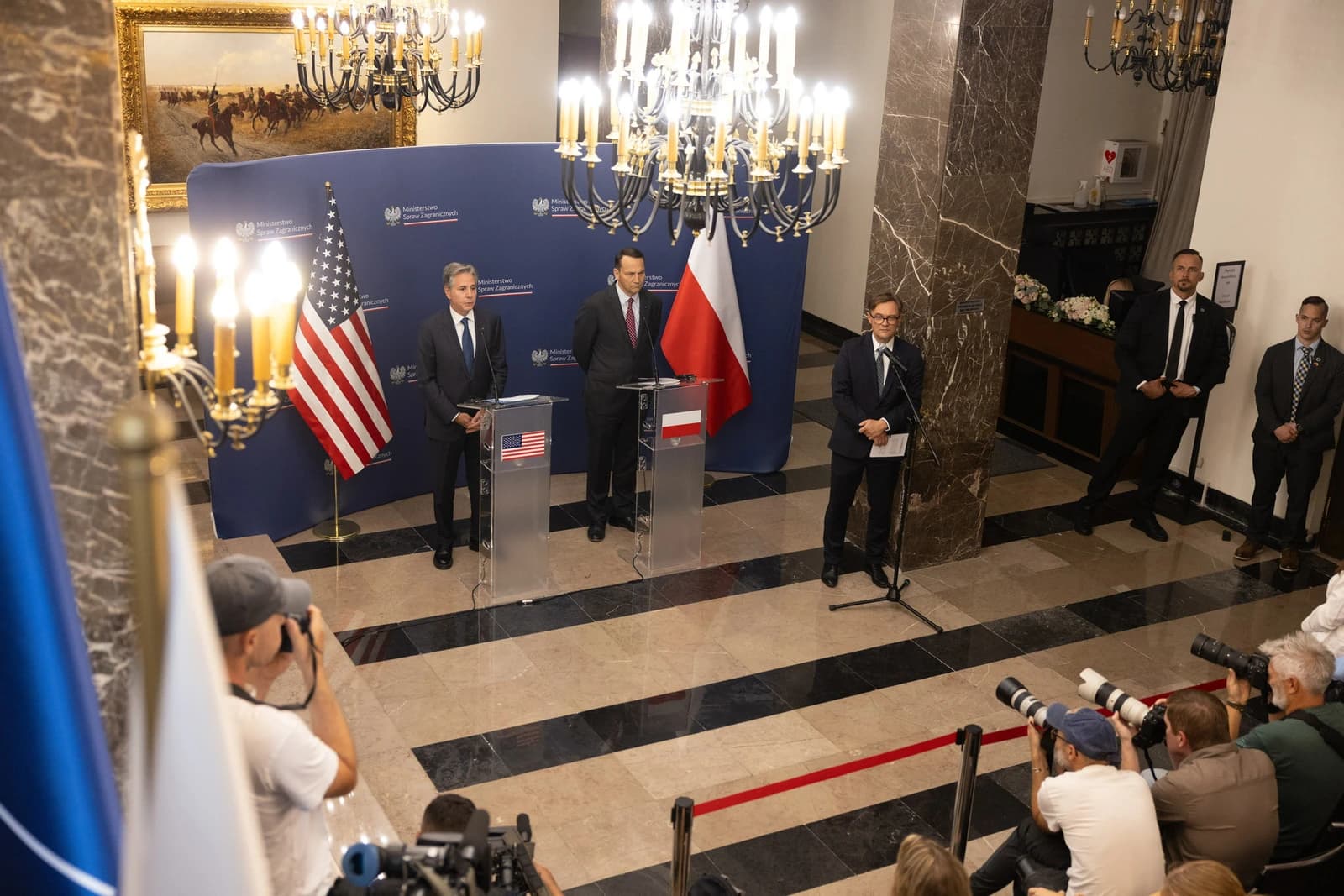
At the same time, the conflict is showing no sign of easing. The European Commission wants a tougher sanctions package, missile strikes continue on both sides, and Ukrainian leaders are still pressing allies for more military and financial support. With peace talks stalled and fighting extending into another year, the market should expect more pressure on Russian exports, logistics and banking access, as well as continued volatility in European energy and grain markets.
For investors, the key is to look past the headline rhetoric and focus on second-order winners. The longer the war persists, the more attractive suppliers of LNG, defense equipment, cybersecurity, satellite intelligence and industrial reshoring become. Europe’s sanctions drive also strengthens the case for firms tied to alternative energy sources, ammunition production, drone systems and Black Sea risk hedging.
The market is still underestimating how durable this wartime economic split may become. Russia is not moving back toward integration; it is moving deeper into isolation, and that leaves global investors with a clear takeaway: avoid direct exposure to Russia, and position instead for the beneficiaries of prolonged geopolitical fragmentation.
| Entity | Gains | Losses |
|---|---|---|
| Western defense contractors | ▲Higher rearmament demand | ▼— |
| LNG exporters and energy suppliers | ▲Europe’s diversification push | ▼Russian pipeline leverage |
| Sanctions-compliance and cybersecurity firms | ▲More regulatory demand | ▼Russian corporates |
| Russia’s economy and labor force | ▲— | ▼Brain drain, weaker investment, deeper isolation |