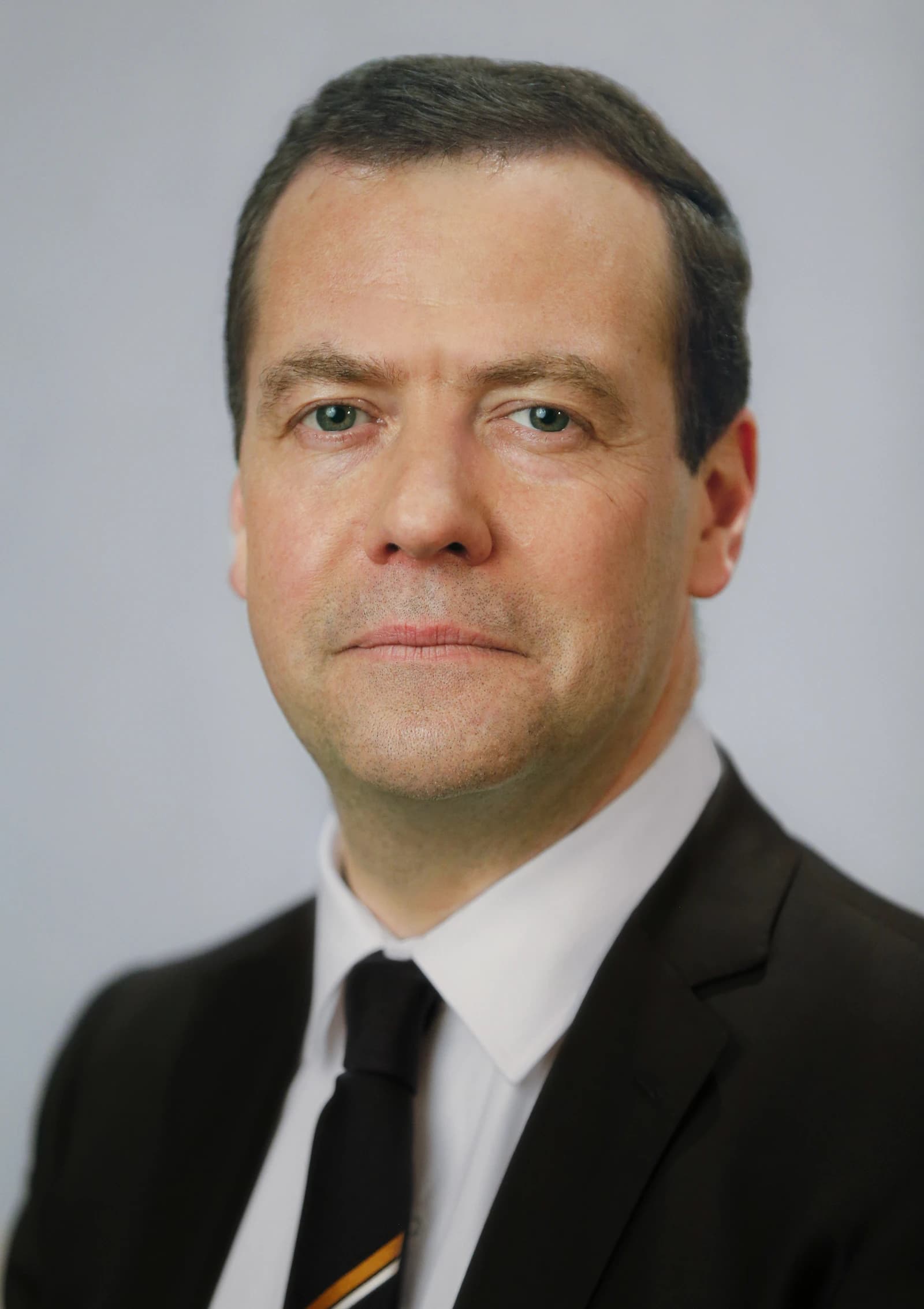
Sergei Mironov has proposed a federal hiring quota of 2% to 4% for Ukraine war veterans, a move that would force larger Russian employers to reserve jobs for returning servicemen and broaden state support for demobilized personnel.
Russia proposes hiring quota for Ukraine war veterans
The plan, introduced by Mironov’s A Just Russia party, would apply to companies with more than 35 employees and is meant to replace the patchwork of regional rules now governing veteran hiring. For investors and employers, that matters because a nationwide mandate would raise labor-compliance costs, tighten hiring flexibility and potentially increase wage pressure in sectors already competing for workers.
Mironov said the quota should not be limited only to veterans of the so-called special military operation, but also to volunteers and others who supported combat operations, including people involved in fighting along the border and participants in armed formations in Donetsk and Luhansk since 2014. He also called for a unified federal electronic certificate for rehabilitation, which would let veterans and family members access treatment in both state and private clinics across Russia.
The proposal comes as Moscow continues to look for ways to absorb thousands of returning soldiers into the civilian economy without creating visible social strain. A formal quota would shift part of that burden from regional governments to private businesses, with the biggest impact likely on labor-intensive employers in retail, logistics, construction and services.
Whether the bill advances will depend on the Kremlin-aligned legislative agenda, but the direction is clear: Russia is signaling that veteran reintegration is becoming a federal policy priority, not just a regional one. If adopted, the measure would also add another layer of state intervention in the labor market at a time when companies are already managing sanctions, staffing shortages and uneven demand.
| Entity | Gains | Losses |
|---|---|---|
| Ukraine war veterans | ▲Priority hiring access | ▼Less reliance on regional rules |
| Russian employers >35 staff | ▲Potential access to subsidized labor | ▼Hiring flexibility, compliance costs |
| Regional governments | ▲Less direct burden | ▼Control over local labor policy |
| Russian state | ▲Social stabilization | ▼Higher policy intervention load |