Ukraine and Russia have carried out another exchange of bodies of war dead, a grim but economically and politically important reminder that the battlefield remains active even as both sides preserve a narrow channel for contact.
Ukraine, Russia exchange bodies in latest war transfer
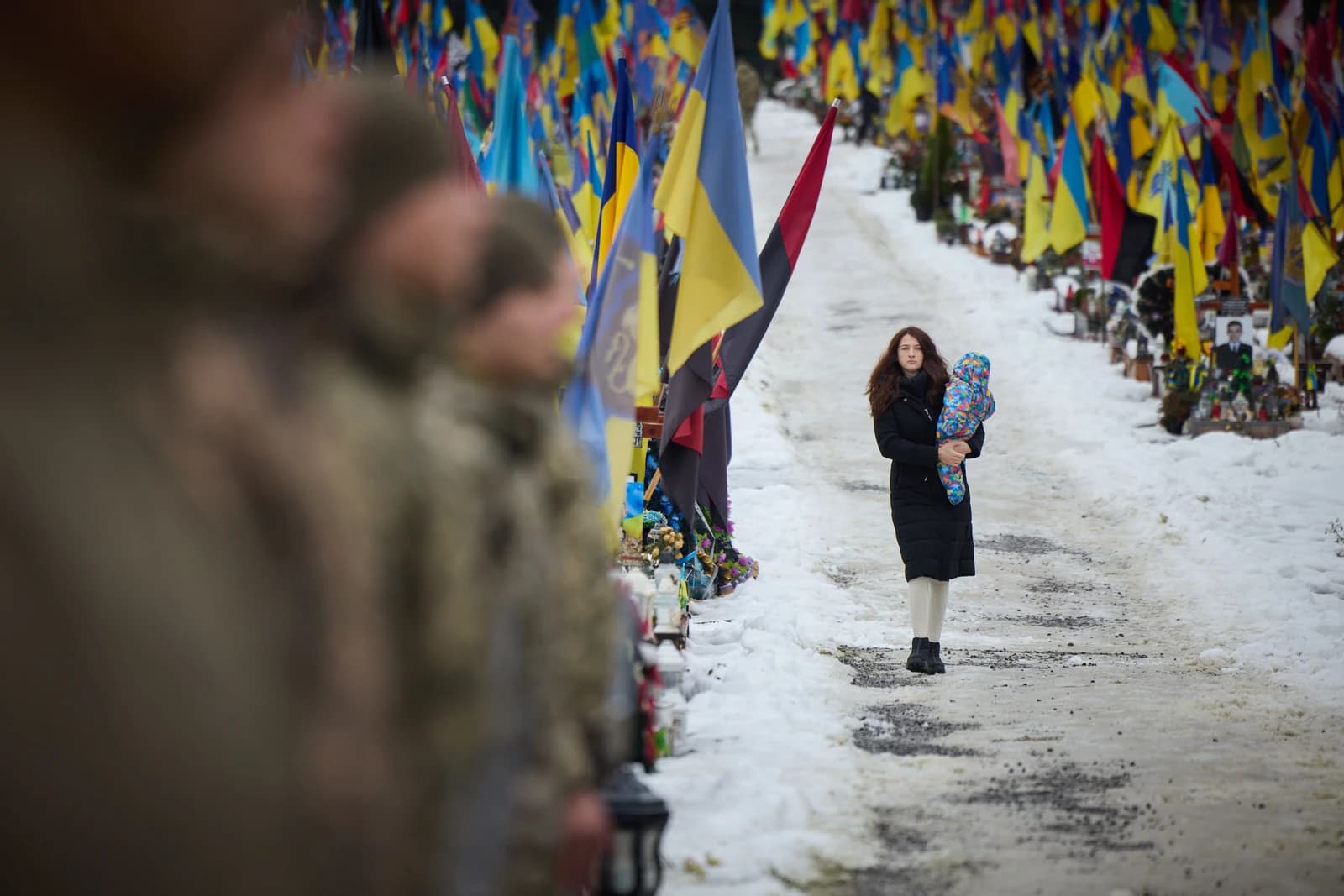
Ukraine said it received 252 bodies from Russia on Thursday, while Moscow got 25 in return, underscoring both the scale of casualties and the uneven balance of repatriations in a war now in its fourth year. The exchange matters beyond its humanitarian dimension: these handovers are one of the few areas where Kyiv and Moscow continue to cooperate, making them a barometer of whether any broader diplomatic process can hold.
For Ukraine, the repatriations add to the strain of managing a war that has imposed heavy fiscal, social and administrative costs. Identifying remains, notifying families and handling burials all require state resources at a time when the government is already dependent on external financing to keep basic functions running. The process also highlights how the conflict’s toll is still rising even without major shifts on the front line.
The Kremlin and Ukrainian authorities have both used body exchanges and prisoner swaps as proof that limited negotiation remains possible despite the wider breakdown in relations. The International Committee of the Red Cross helped facilitate the latest transfer, according to Ukrainian officials, illustrating the continued reliance on neutral intermediaries to move between the two sides.
Bodies repatriations have become increasingly frequent. Ukrainian officials said earlier this month that more than 26,000 bodies and human remains had been returned to Ukraine through exchange operations, while official announcements from both sides suggest Kyiv has received about 5,300 bodies since the start of the year and Russia fewer than 300. That imbalance is politically sensitive for both governments, but it also reflects the war’s asymmetry and the difficulty of verifying losses in real time.
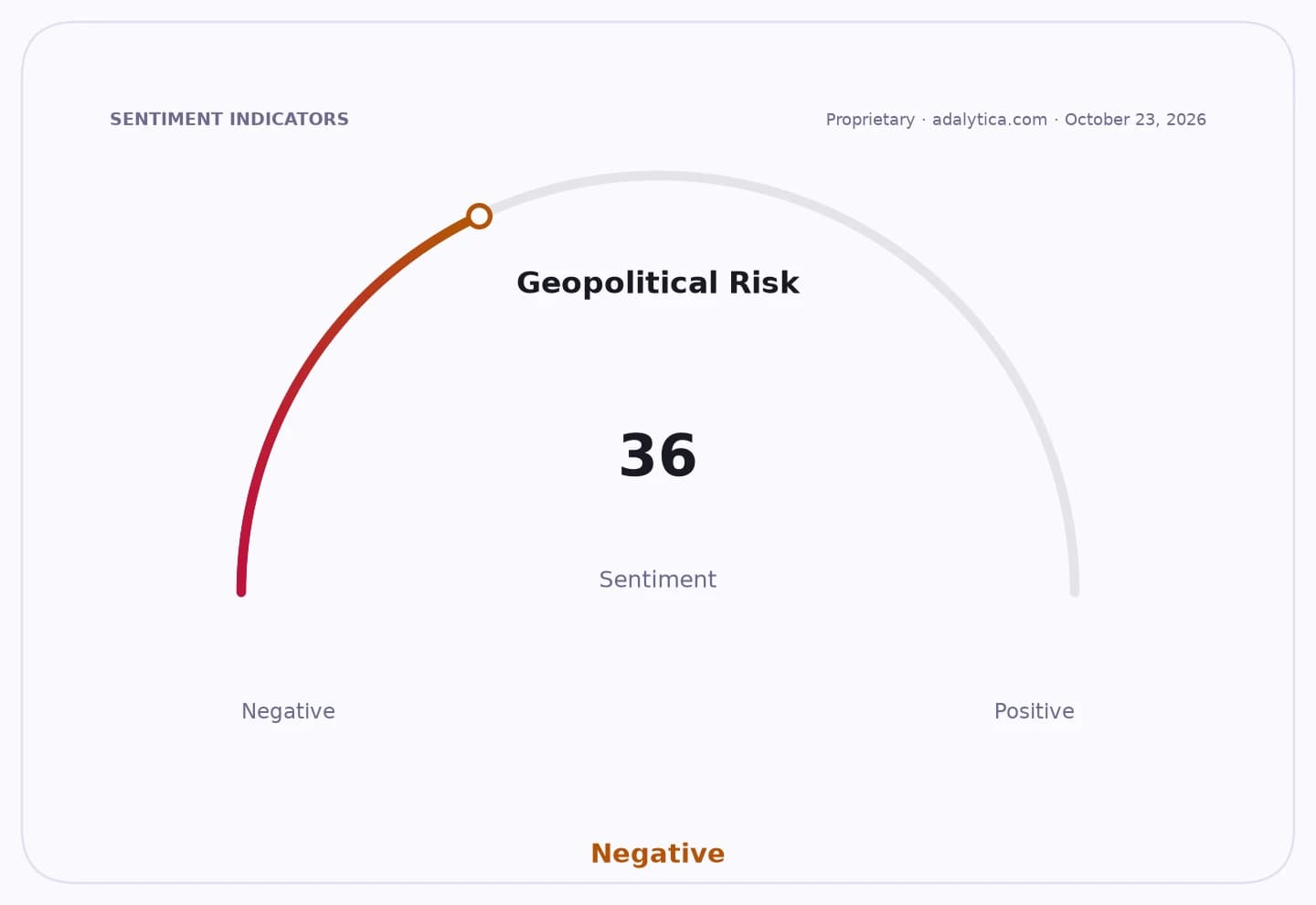
The latest exchange comes as diplomatic expectations around the war remain fragile. Any sustained move toward negotiations would likely require humanitarian measures such as prisoner and body swaps to continue, even if fighting persists. For investors, the immediate market impact is limited, but the exchanges are a useful signal: they show the conflict is still being managed through small, transactional deals rather than any real de-escalation, keeping geopolitical risk elevated for European security, energy flows and regional assets.
| Entity | Gains | Losses |
|---|---|---|
| Ukraine | ▲Returns bodies to families | ▼Administrative burden, grief |
| Russia | ▲Receives remains, maintains contact channel | ▼Smaller return volume |
| ICRC | ▲Humanitarian relevance | ▼Exposure to conflict logistics |
| Investors in Europe | ▲Possible diplomatic signal | ▼Ongoing geopolitical risk |