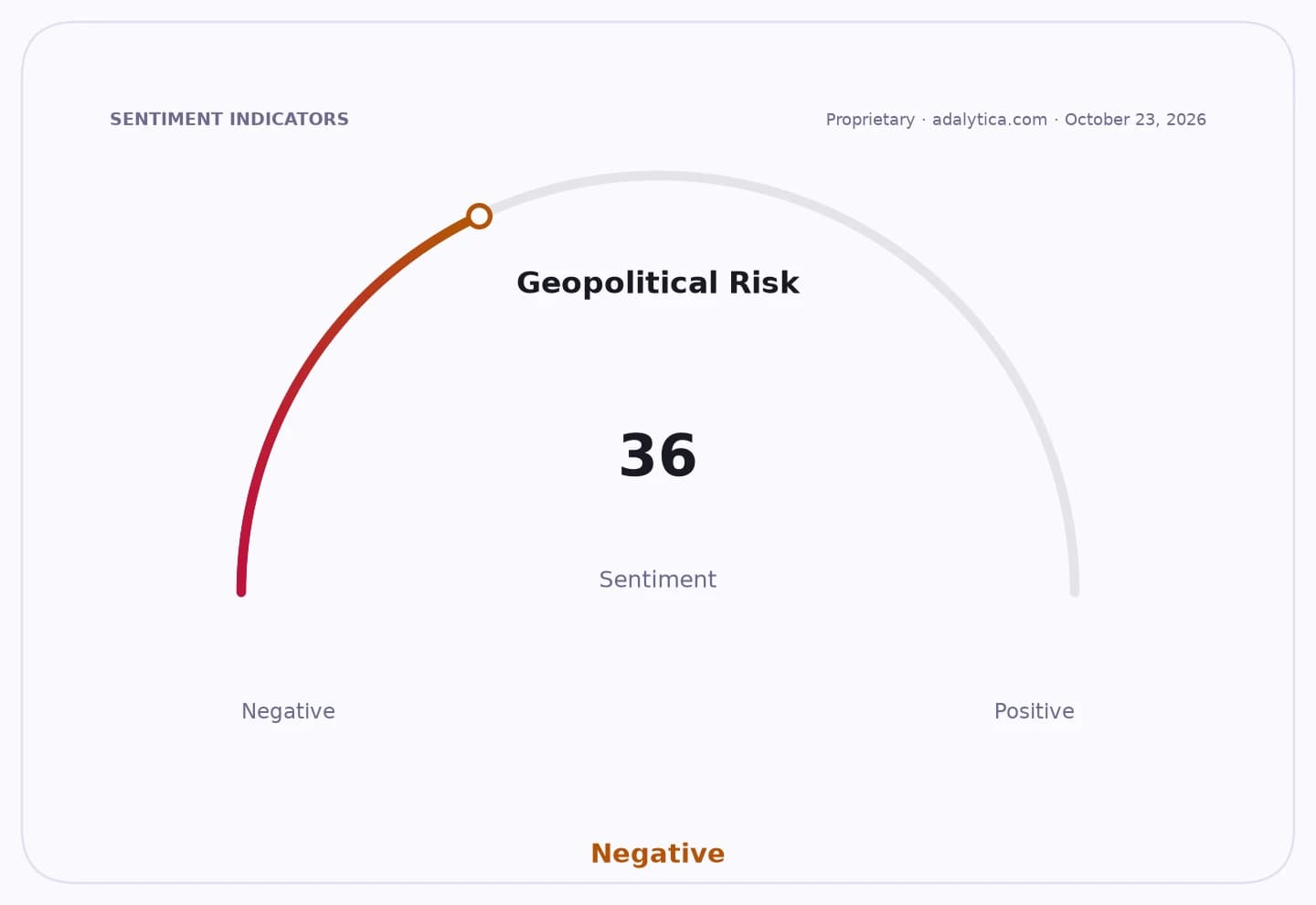
Russia and the Czech Republic could eventually restart limited cooperation, starting with culture and people-to-people exchanges, a sign that some diplomatic channels may remain open even as Prague stays firmly aligned with Ukraine and European security efforts.
Russia, Czech Republic May Resume Limited Cultural Ties
Russian Ambassador to Prague Anna Ponomareva said on Oct. 4 that culture, visa policy and youth and educational exchanges were the most plausible areas for renewed contact, according to RIA Novosti. Her comments underscore how Moscow is looking for low-risk entry points to rebuild ties with a European Union and NATO member that has sharply reduced engagement with Russia since the invasion of Ukraine.
The economic significance is modest in the near term but meaningful at the margin. Culture and education do not move trade balances or energy flows the way sanctions relief would, but they can shape the conditions for later normalization by restoring travel, academic links and soft-power influence. For Russia, even symbolic reopening with a Central European country would help project the idea that it is not wholly isolated. For the Czech Republic, any resumption would be politically sensitive because public sentiment and official policy remain strongly pro-Ukraine.
That tension is the core of the story. Czech authorities have continued to support Kyiv militarily and diplomatically, while also signaling that some form of dialogue with Moscow is still possible. In that environment, culture is one of the few areas where contacts can be framed as apolitical, even if they carry strategic value. Ponomareva’s mention of visa policy and educational exchanges points to how closely diplomacy, mobility and long-term influence are linked.
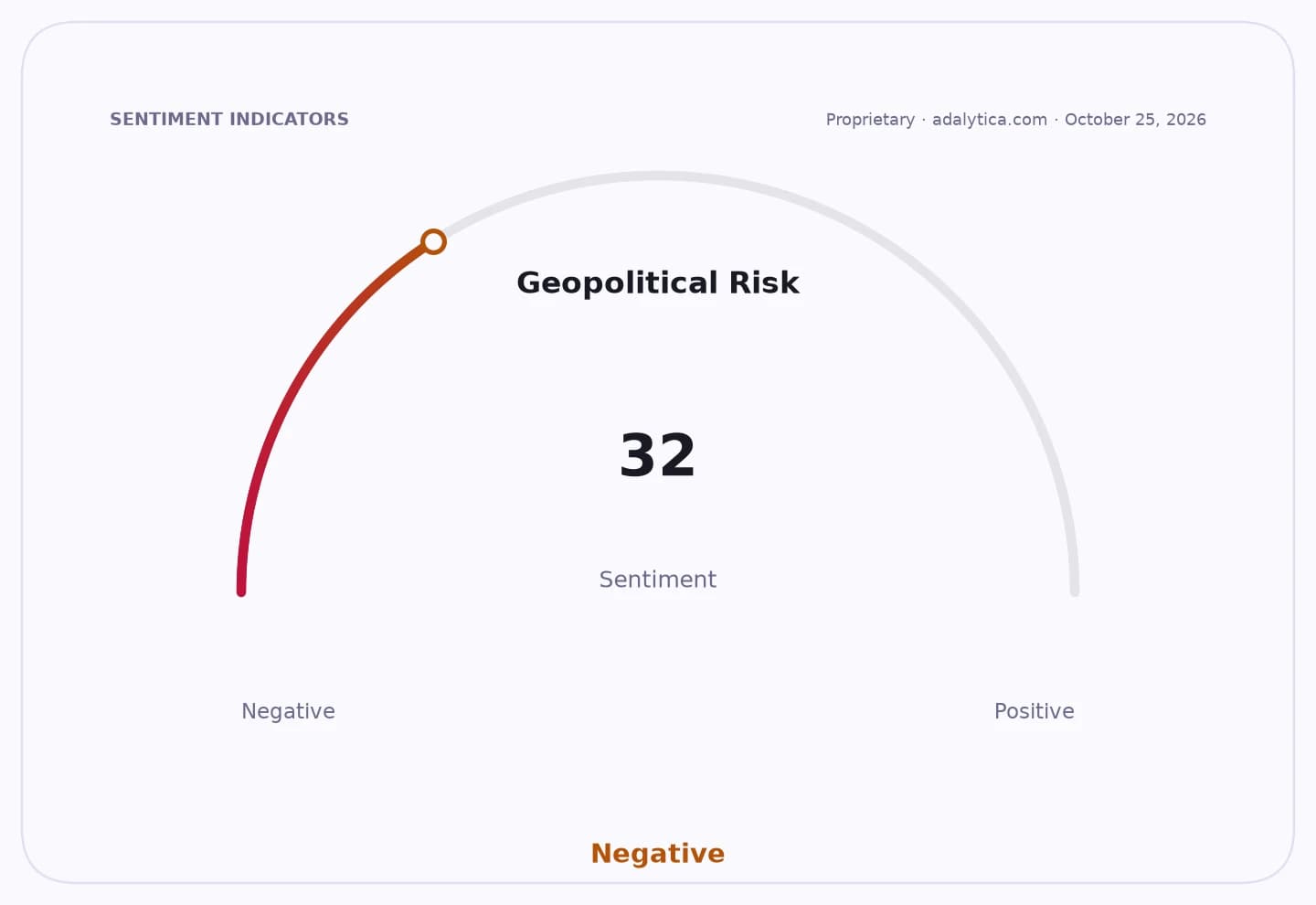
For investors, the immediate market impact is limited. There is no clear read-through for Czech assets or Russian external financing from a statement of intent alone. But any sign of thawing could matter over time for sectors exposed to cross-border travel, higher education, tourism and cultural institutions, while also serving as a gauge of broader European-Russian relations. The bear case is that this is little more than rhetorical positioning with no policy follow-through. The bull case is that even incremental contact can reduce friction and create openings for broader normalization if the war environment changes.
The broader narrative is one of selective re-engagement under geopolitical constraint: Russia is trying to preserve a diplomatic bridge to Prague, while the Czech Republic remains anchored to the Western line on Ukraine. That makes culture a test case for whether any practical cooperation can survive one of Europe’s deepest security ruptures.
| Entity | Gains | Losses |
|---|---|---|
| Russia | ▲Diplomatic opening | ▼Isolation narrative |
| Czech Republic cultural sector | ▲Potential exchanges | ▼Political sensitivity |
| Students and travelers | ▲Easier contacts | ▼Continued uncertainty |
| Ukraine supporters | ▲No material gain | ▼Risk of dilution in dialogue |