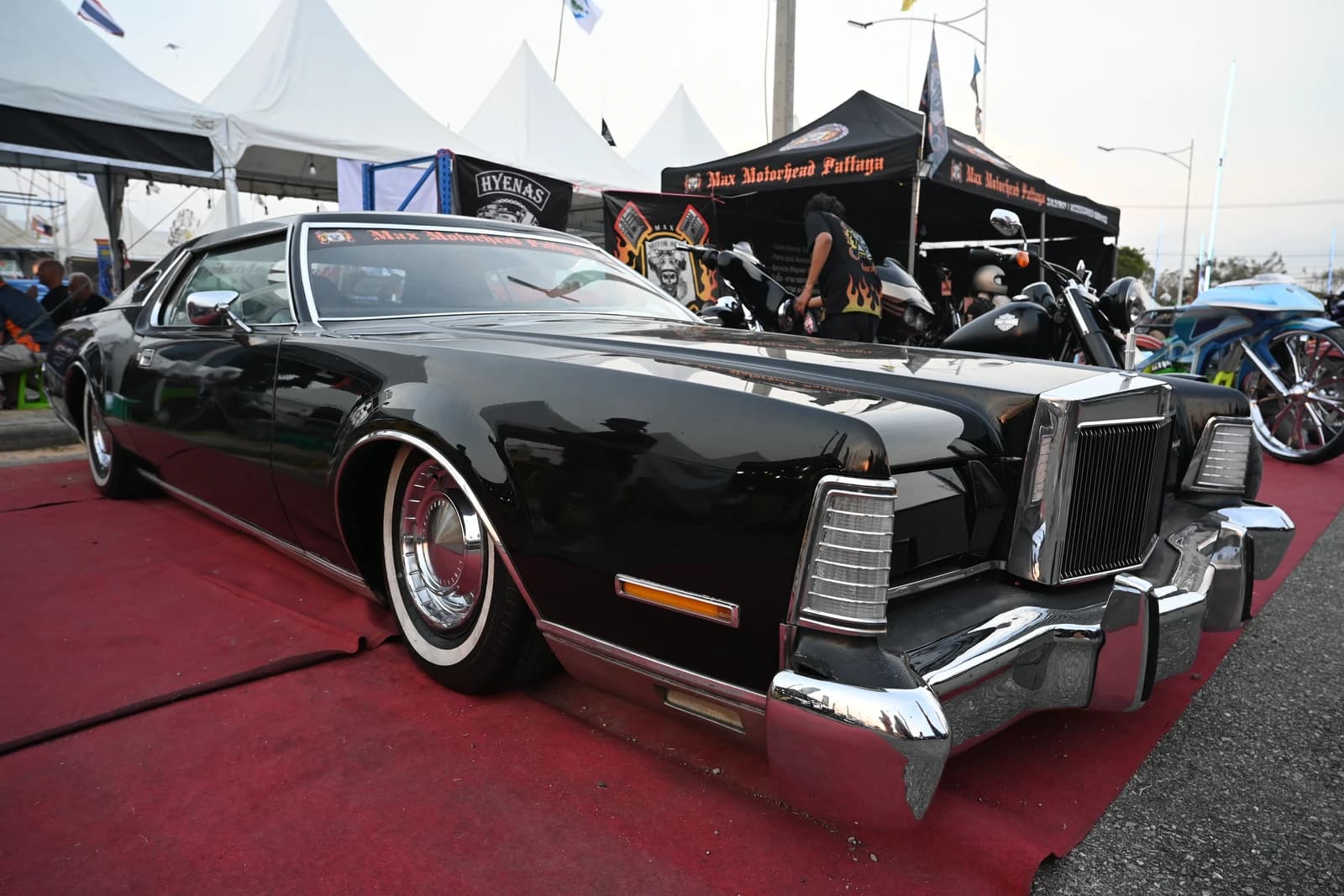
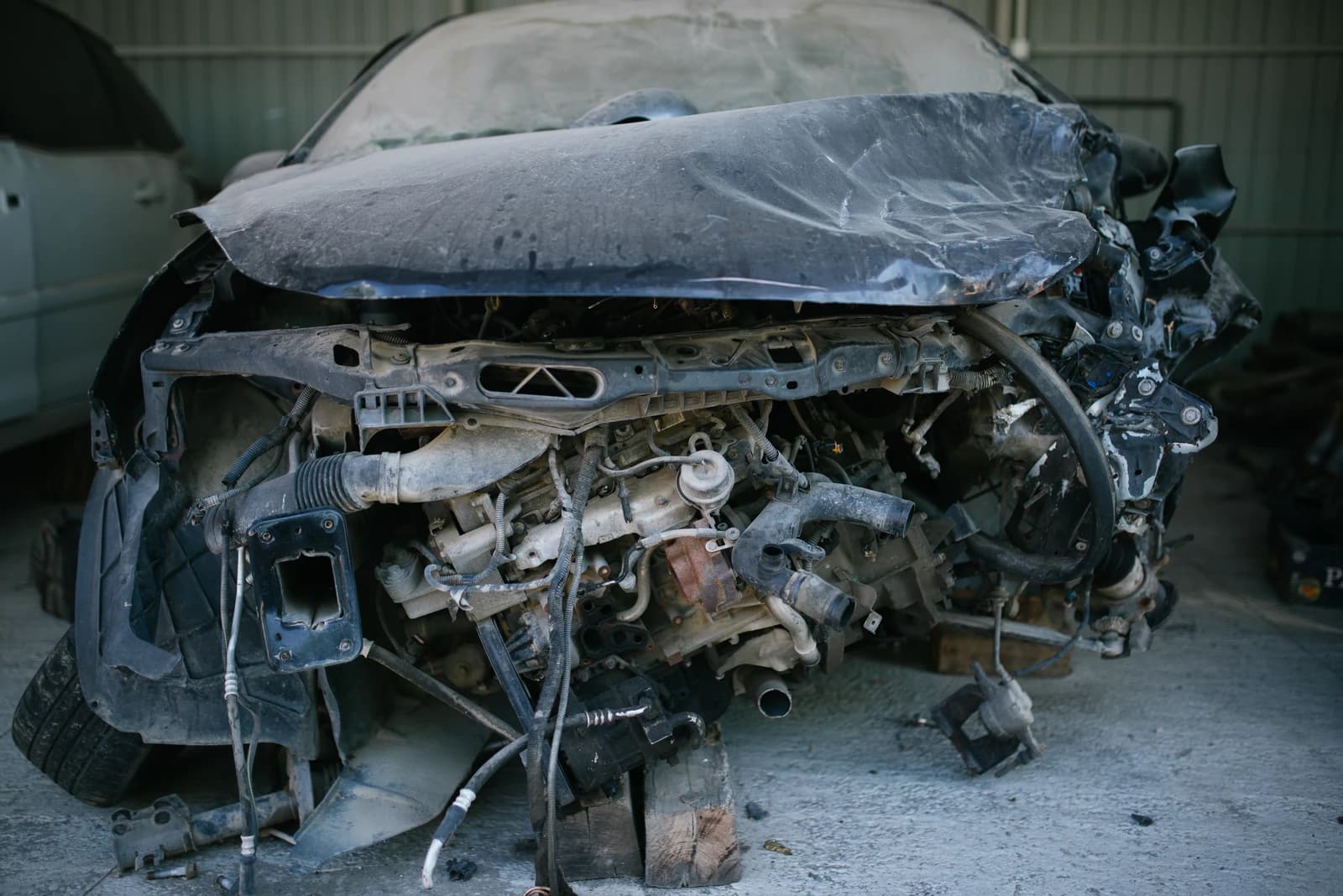
Russia’s tightening import regime is pushing buyers toward 30-year-old German and Japanese classics, where the real saving is not the car itself but avoiding a rapidly rising recycling fee that can reach millions of rubles.
Russia import fees lift demand for 30-year-old classics

From Jan. 1, 2027, Russia will raise the recycling fee on imported cars by 10% to 20%, extending a policy that has already made bringing in foreign vehicles materially more expensive. For private buyers, the preferential fee remains only 3,400 to 5,200 rubles and applies to cars with engines up to 3 liters and 160 horsepower, which leaves many sought-after premium sedans, SUVs and sports coupes exposed to the commercial rate. In some cases, that charge can reach 6.8 million rubles, turning what looks like a bargain import into a costly purchase.
Sentiment Indicators

That is why the 30-year-old exemption matters. Cars that are at least three decades old can, in principle, be imported without the recycling fee, but only if they are not used commercially and retain their original engine, body and chassis, or have been restored to original condition. A replacement motor, major crash damage or heavy tuning can void the exemption, even if the paperwork is clean in the seller’s market. For buyers, the rule shifts the economics from simple age-based arbitrage to a compliance test that rewards authenticity and punishes modification.
The market logic is clear. Enthusiasts looking for recognizable, liquid classics are concentrating on models such as Toyota’s Mark II, Chaser and Cresta, Mercedes-Benz’s W124 and W140, classic SLs, BMW and Alpina models of the right vintage, and Toyota Land Cruiser 40, 60, 70 and 80 series SUVs. A Porsche 911 from the 993 generation, built between 1994 and 1998, illustrates the boundary risk: two cars that look identical can fall on opposite sides of the 30-year line and face very different import costs.
The savings can still be overwhelmed by other taxes and logistics. The exemption only removes the recycling fee; customs duty still applies, and the bigger the engine, the steeper the bill. For engines larger than 3 liters, the duty can run to €5.7 per cubic centimeter, meaning a 3,500 cc engine could carry customs payments approaching €20,000, or about 1.8 million rubles, before shipping and paperwork. If the car fails the authenticity test, a premium model with a 4.0-liter engine and 300 horsepower could face a 4.7 million-ruble commercial recycling fee, enough to erase any advantage versus buying locally.
For investors and market participants, the story is less about vintage-car romance than about regulation-driven price dispersion. The 2027 hike should further distort the economics of imported luxury vehicles in Russia, supporting demand for legally compliant older cars while penalizing newer high-displacement imports. It also favors sellers and brokers with documentation expertise and hurts buyers who underestimate compliance risk or overpay for cars that cannot clear the exemption.
The key catalyst is simple: as the 2027 deadline approaches, demand for documented, original-condition 1990s German and Japanese cars is likely to intensify, while the cost of getting the rules wrong will only rise.
| Entity | Gains | Losses |
|---|---|---|
| 30-year-old classic cars | ▲Cheaper legal import path | ▼Limited supply, strict verification |
| Buyers with documentation expertise | ▲Lower effective import costs | ▼Risk of overpaying for modified cars |
| Dealers/brokers in classics | ▲Stronger demand | ▼Weaker market for newer premium imports |
| Newer luxury imports | ▲None | ▼Higher recycling fees and duties |