Counterfeit engine oil has become a mainstream risk in Russia, with industry estimates putting fake products at about half of the market, a scale that threatens vehicle reliability, consumer spending and legitimate lubricant brands.
Russia counterfeit engine oil market grows
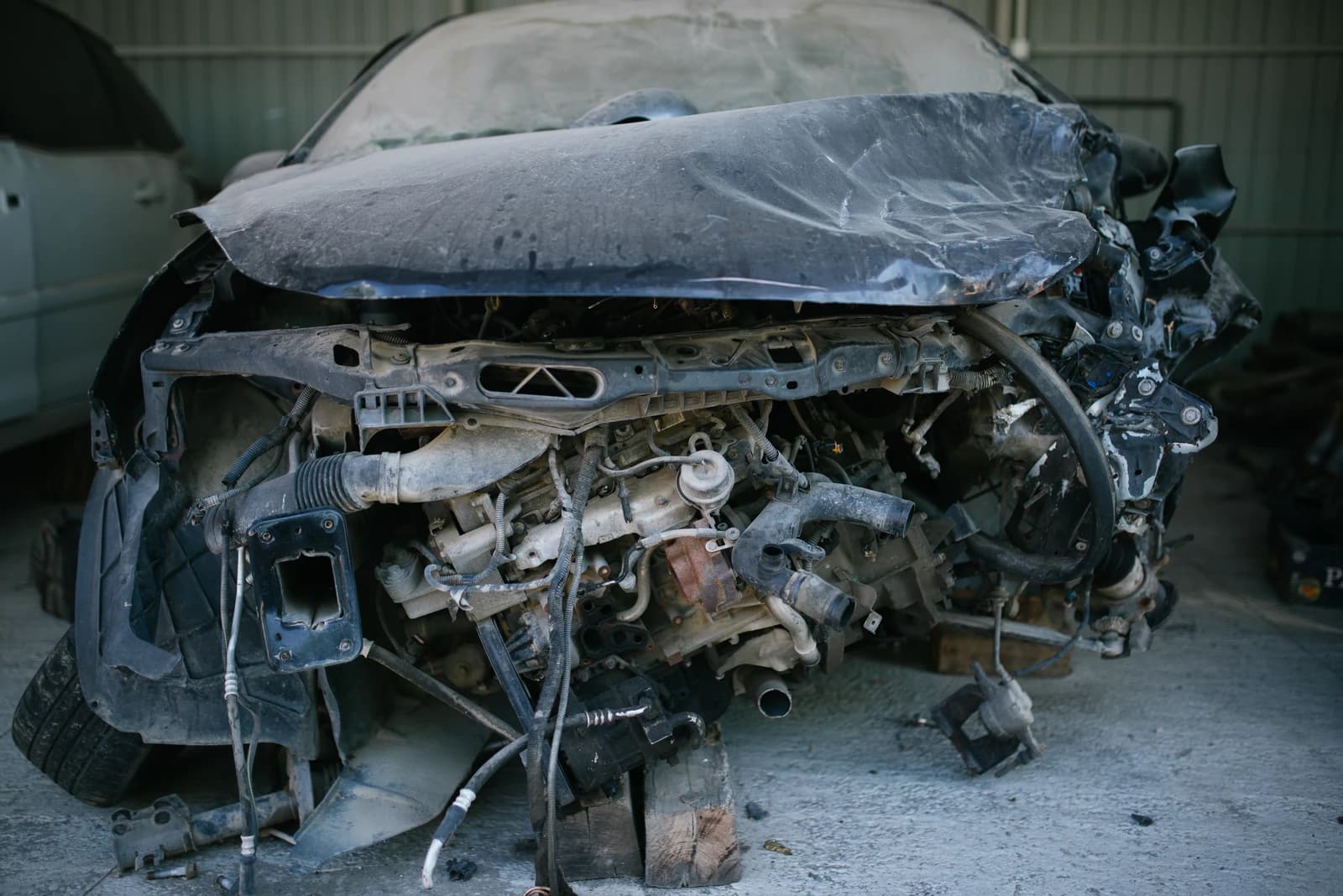
The problem matters economically because engine oil is not a discretionary purchase: it is routine maintenance that directly affects engine life, repair frequency and resale values. If a product category as basic as motor oil is compromised, drivers can end up paying more in maintenance and accelerated depreciation, while distributors and service stations face reputational risk and liability exposure. The issue is especially acute for imported brands that officially exited Russia, where consumers have fewer reliable channels and more room for gray-market supply, relabeling and outright fraud.
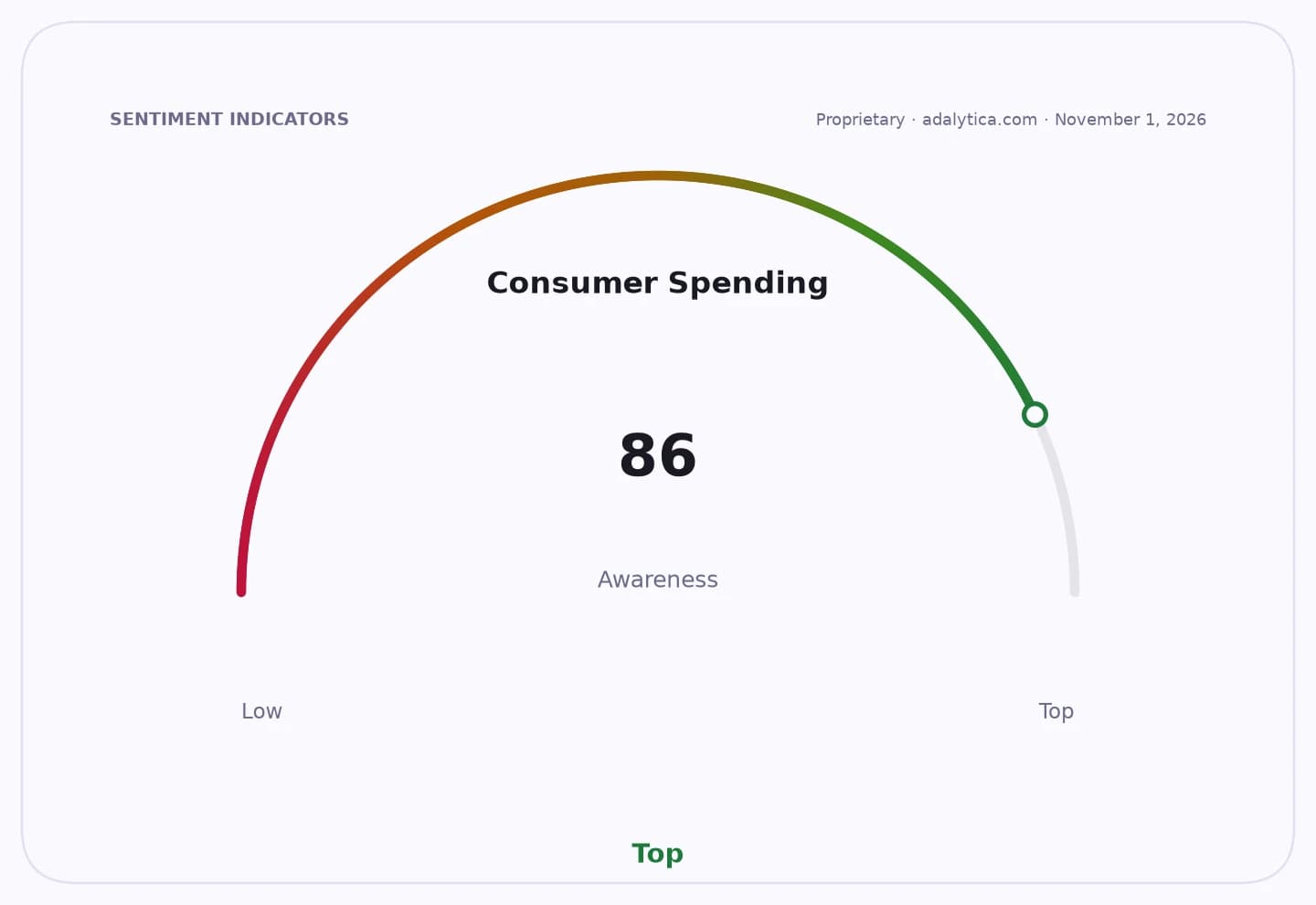
Sentiment Indicators
For investors, the story cuts across automotive aftermarket, oil and lubricants, and broader consumer-trust dynamics. Counterfeit penetration can distort demand for genuine products, squeeze margins for legitimate sellers and redirect spending toward repairs rather than premium consumables. It also raises the cost of brand protection and compliance for multinational oil companies, while creating a short-term opportunity for trusted domestic suppliers, authorized workshops and parts retailers that can prove product authenticity. In a market where consumers cannot easily distinguish real oil from fake, distribution quality becomes as important as the product itself.
The Russian case also fits a wider global crackdown on counterfeit goods, from seized factories and fines in Turkey and Italy to stepped-up enforcement against fake products sold online. That enforcement backdrop underscores a simple market truth: as supply chains fragment and e-commerce expands, counterfeiters move faster than regulators. For the automotive sector, the result is a persistent quality tax that lands on motorists first and can ripple outward to service networks, insurers and manufacturers.
What to watch next is whether enforcement can meaningfully reduce fake lubricant sales or merely push them into more opaque channels. If the market stays polluted, the winners will be verified suppliers and repair chains; the losers will be consumers, branded oil makers and anyone exposed to engine damage claims.
| Entity | Gains | Losses |
|---|---|---|
| Legitimate lubricant brands | ▲stronger trust premium | ▼lost sales to fakes |
| Consumers/drivers | ▲verified products, safer engines | ▼higher repair costs |
| Authorized retailers/service stations | ▲more traffic | ▼pressure from gray market |
| Counterfeit sellers | ▲illicit margins | ▼enforcement risk |