Russia is set to lift the minimum wage to 28,935 rubles a month in 2027, a 1,842-ruble increase that will tighten the wage floor for millions of workers and raise labor costs for employers already facing slower growth and thinning margins.
Russia to Raise Minimum Wage to 28,935 Rubles in 2027
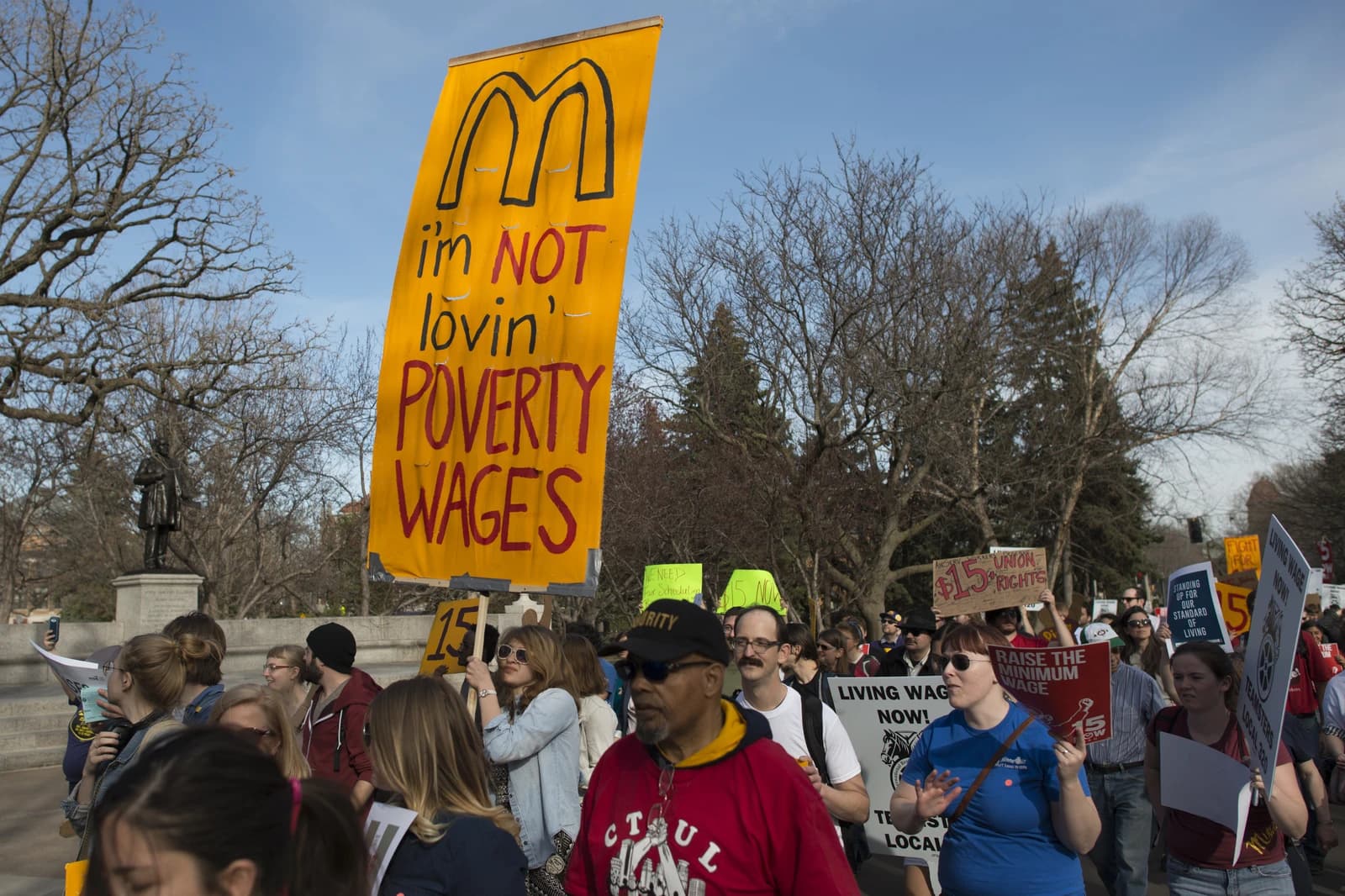
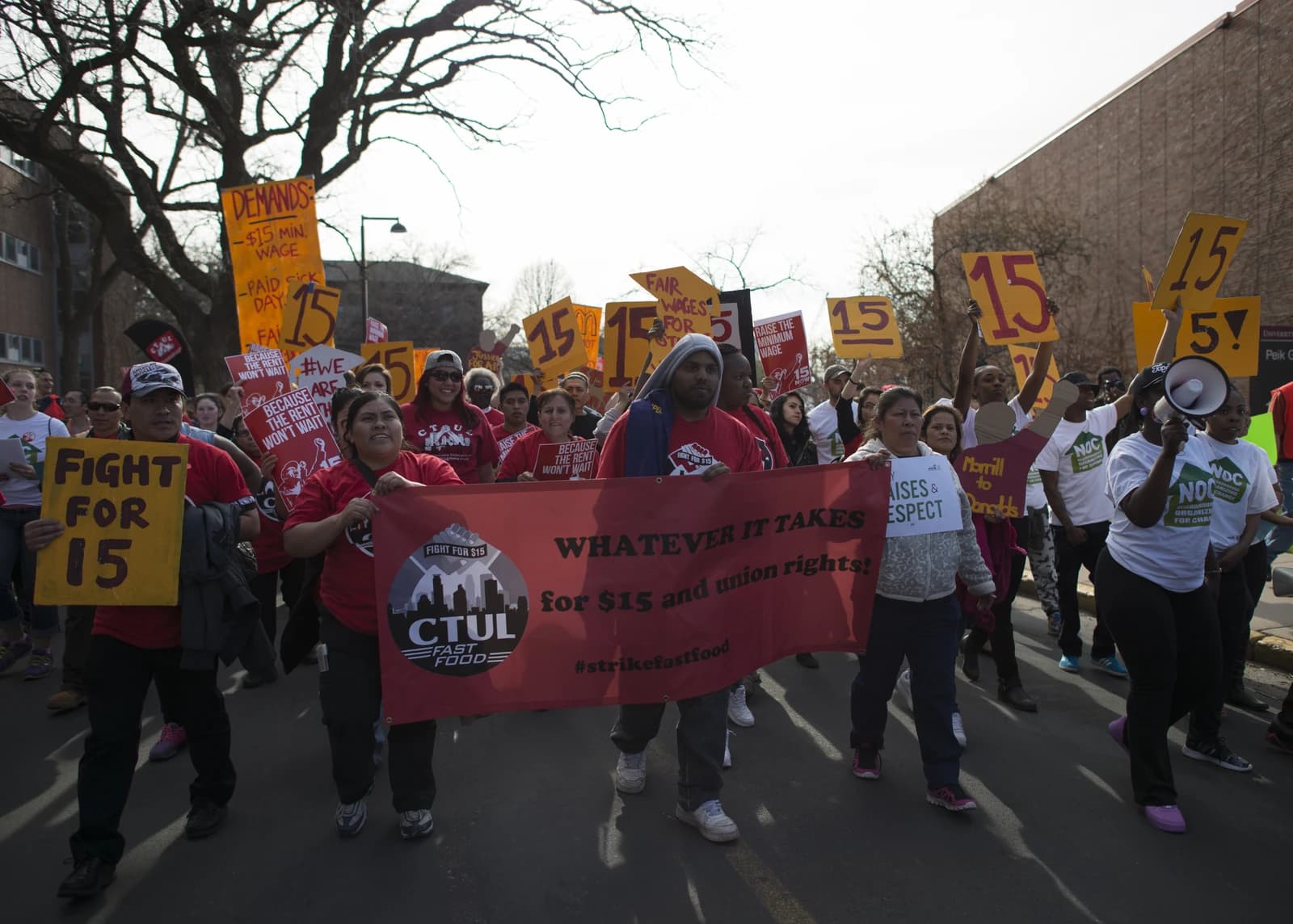
Wages
The measure matters less for the headline number than for what it reveals about policy priorities in a cooling economy: the Kremlin is still trying to protect low earners and preserve real incomes, even as inflation, taxes and weak profitability squeeze households and businesses alike. The increase, about 6.8%, is aligned with the government’s expectation for average wage growth next year, according to the explanatory note cited by the experts.
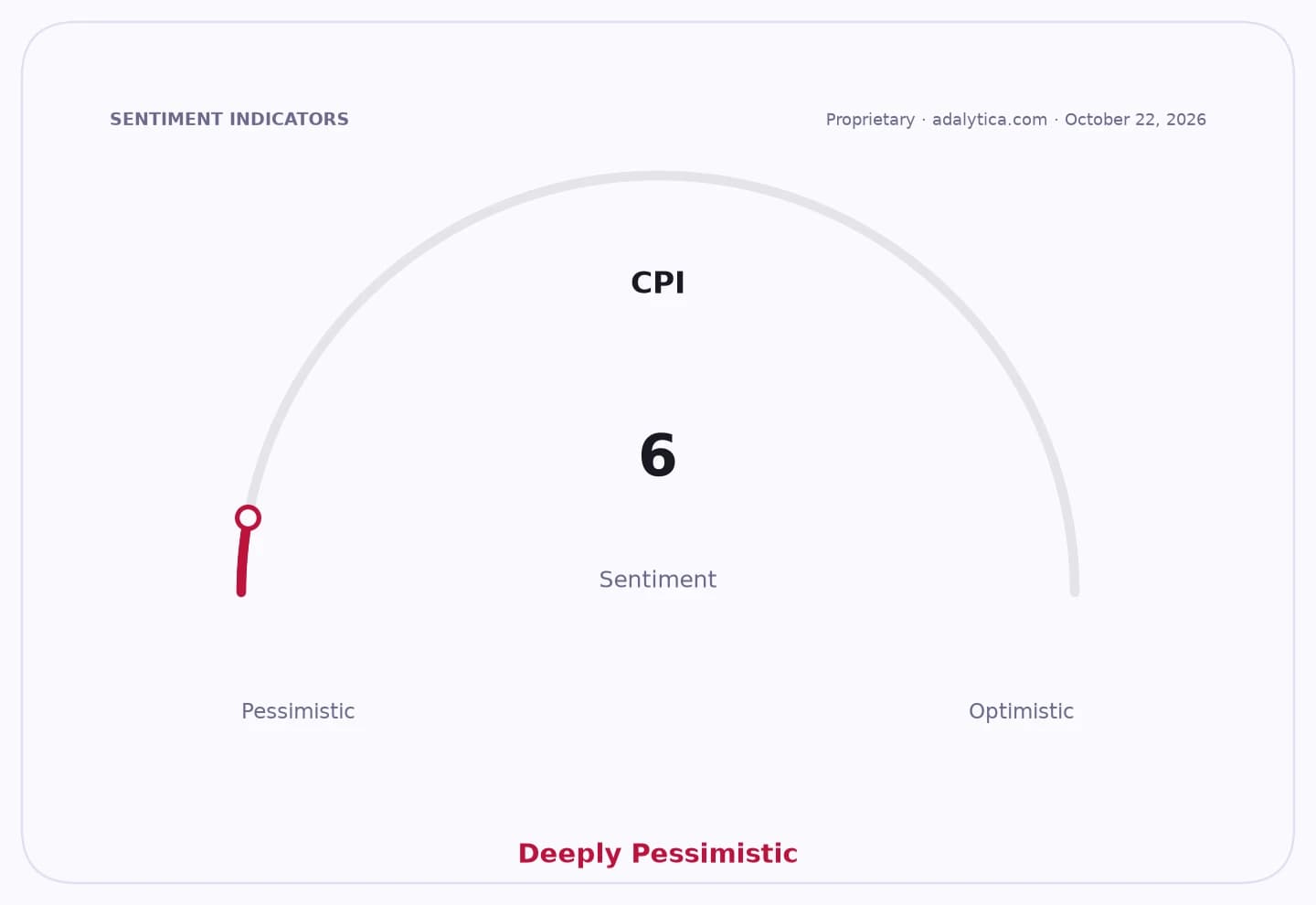
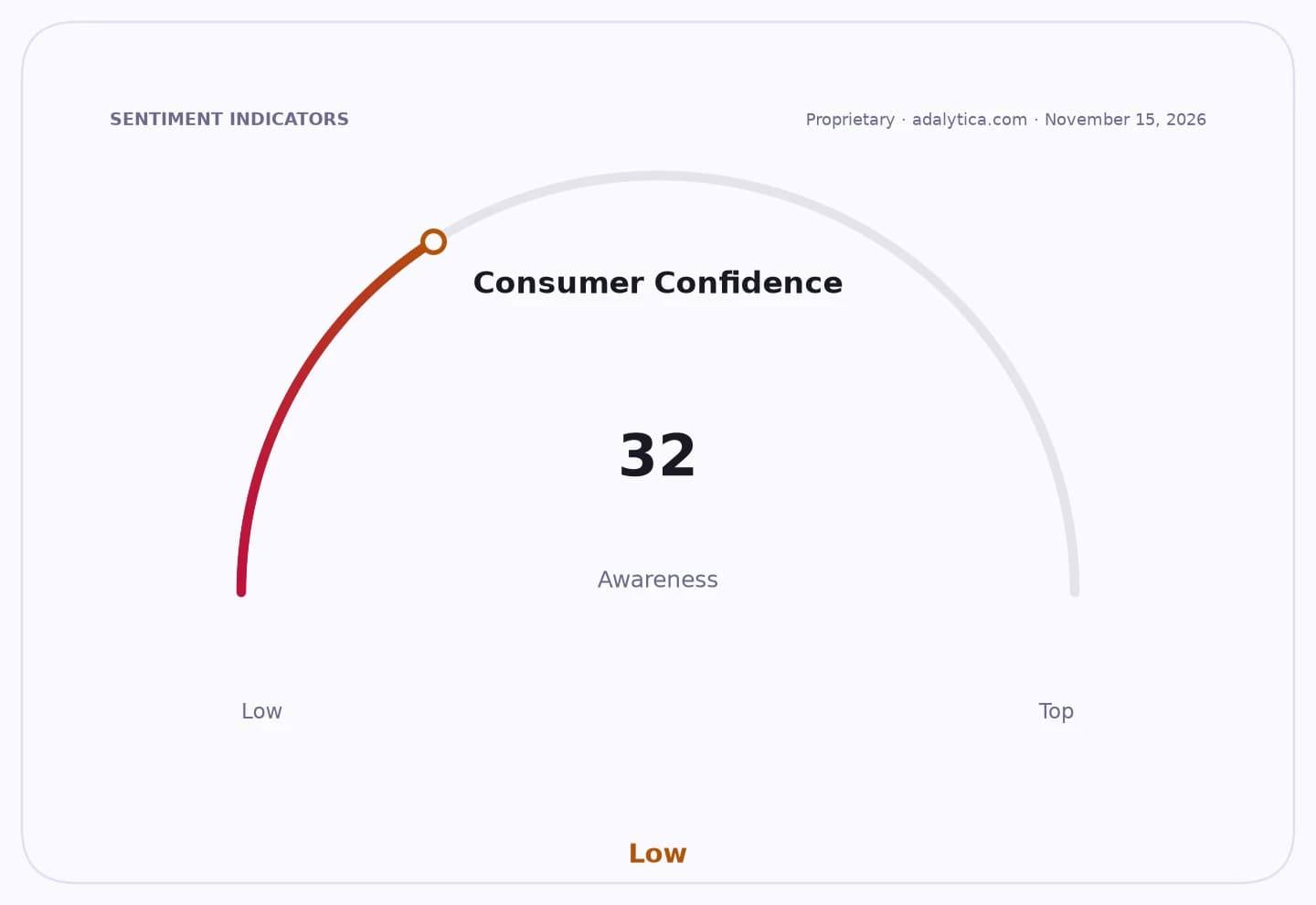
Sentiment Indicators
For workers paid near the minimum, the change is direct. The new floor applies before personal income tax and in full only if an employee works the standard monthly hours. It also feeds into the calculation of sick leave and maternity benefits when earnings are low or missing in the reference period, making the policy more important than its modest cash amount suggests. Budget-sector employees and formally employed private-sector workers on white salaries are the main beneficiaries.
The economic impact is more mixed on the employer side. Companies with low productivity, narrow margins or labor-intensive operations will have to absorb higher payroll and related insurance costs. That could be manageable for large firms, but for small businesses and regional employers it raises the risk of either passing costs into prices, trimming hours or slowing hiring. In a labor market where officials are already warning about job cuts, the wage hike adds another layer of pressure rather than a full offset.
The policy also underlines the government’s balancing act between social support and inflation control. Experts quoted in the local media said a bigger jump would be more painful for budgets and businesses, while too small an increase risks leaving purchasing power eroded by rising living costs. The state is effectively choosing gradualism: enough to maintain the nominal wage ladder, not enough to materially change living standards overnight.
That makes the 2027 increase relevant to investors in Russian consumer-facing, retail, transport and municipal service sectors, where payroll sensitivity is high. It is also a reminder that wage policy remains a lever of macro management, with implications for inflation, household demand and fiscal spending. If the government keeps to its longer-term target of lifting the minimum wage to 35,000 rubles by 2030, the path from here implies continued upward pressure on labor costs even if the economy remains sluggish.
| Entity | Gains | Losses |
|---|---|---|
| Low-wage workers | ▲Higher take-home pay floor | ▼Limited real gain if prices rise faster |
| Budget-sector employers | ▲Clearer wage benchmark | ▼Higher payroll spending |
| Small private firms | ▲Social stability | ▼Margin pressure and hiring risk |
| Consumers | ▲Slightly stronger household income | ▼Possible pass-through into prices |