Russia’s claim that it is building more nuclear plants than any other country underscores how the nuclear industry is shifting from a niche power source into a long-duration infrastructure theme, with implications for energy security, inflation, and the companies supplying reactors and fuel.
Russia says it is building more nuclear plants
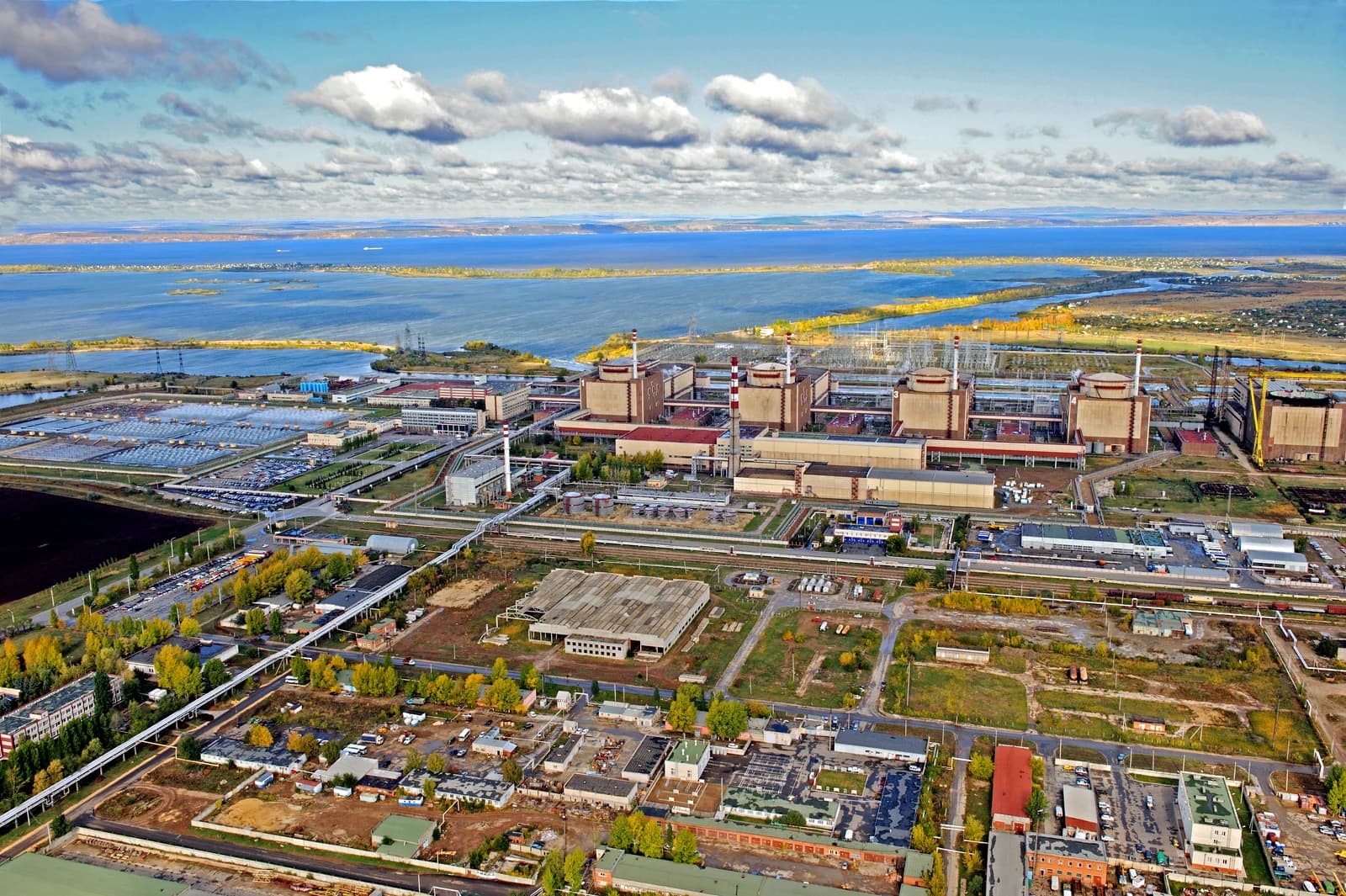
That matters because nuclear power is no longer being discussed only in climate terms. It is becoming part of the industrial policy playbook for countries that want large-scale, steady electricity for data centers, manufacturing, and defense while reducing dependence on volatile fossil fuels. When the Kremlin says Russia is “one of the world leaders” in the nuclear field and is currently building more plants than any other country, it is also advertising a strategic export industry at a time when energy and geopolitics are deeply intertwined.
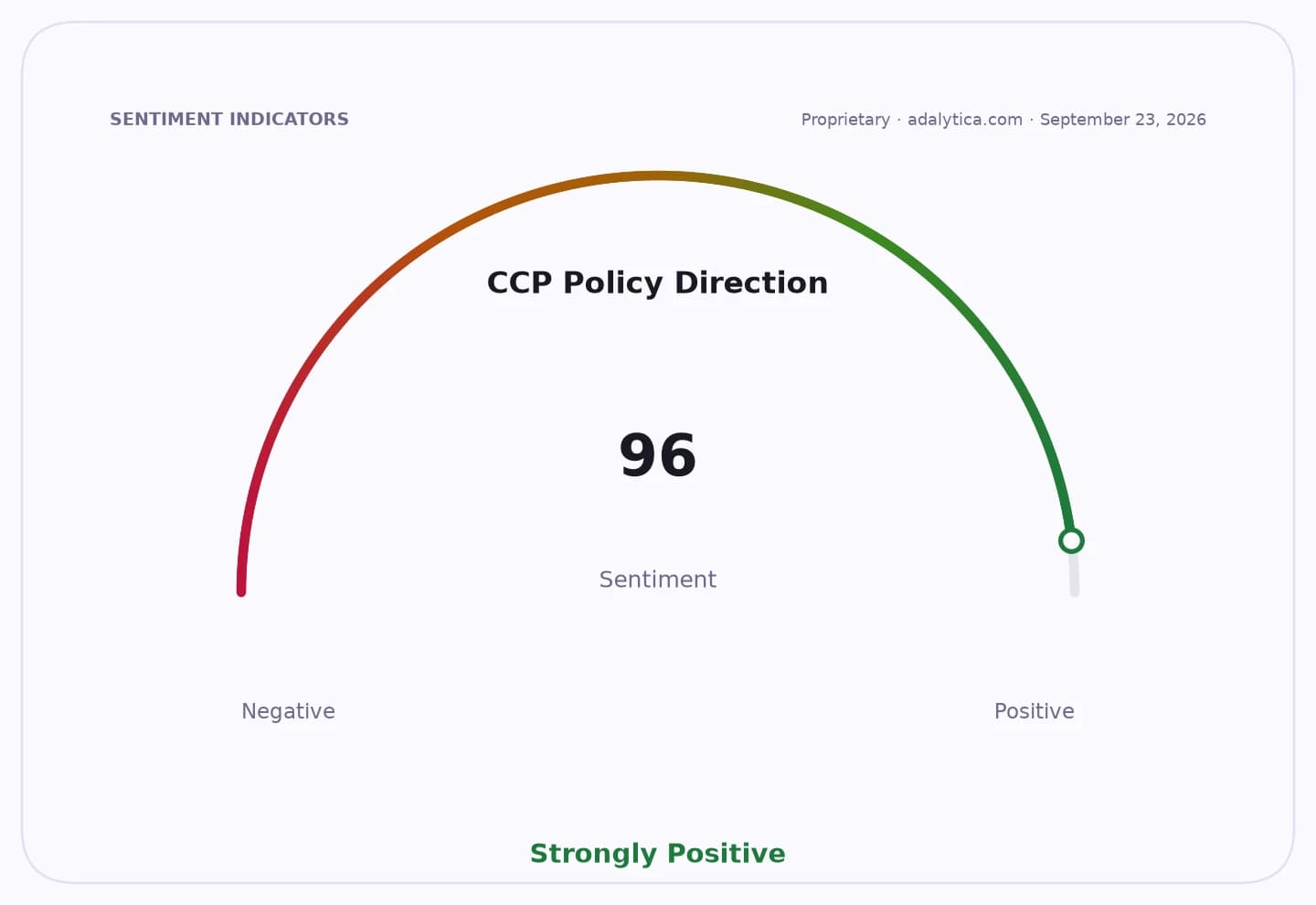
Sentiment IndicatorsⓘProprietary · adalytica.com · September 9, 2026
This is a snapshot — live sentiment, awareness and momentum for 130+ markets update continuously in the dashboard.Open AlphaPulse

For investors, the story is less about Russian state bragging rights than about the broader supply chain. Nuclear construction is slow, capital-intensive and sticky once commitments are made, which is exactly why it can support years of revenue for suppliers of fuel, components and engineering services. That backdrop helps explain why names such as Cameco, BWX Technologies and NuScale Energy have remained in focus as the market tries to price a genuine nuclear renaissance rather than a short-lived trade.
The Kremlin also pointed to the Kudankulam project with India, saying the Russian-Indian venture is progressing well and that talks would continue on a new nuclear plant in India. That is important because India remains one of the largest growth markets for electricity demand in the world, and every additional reactor order tends to lock in decades of work for reactor builders, fuel providers and maintenance contractors. In other words, a single diplomatic announcement can support a very long earnings runway.

The broader environment is helping the bull case for nuclear. Geopolitical tensions have kept energy security front and center, while inflation pressures make policymakers wary of relying too heavily on imported fossil fuels. At the same time, the global nuclear fuel market still has bottlenecks, especially in enrichment and higher-assay fuel, where supply chains are tight and Russia remains a major player. That leaves Western utilities and reactor developers eager to diversify suppliers, which could benefit companies tied to U.S. and allied nuclear capacity.
Still, investors should remember that nuclear is a marathon, not a sprint. Projects can slip, costs can rise, and politics can change quickly. But for patient investors willing to look out three to 10 years, the combination of rising power demand, deglobalization, and decarbonization gives the sector one of the clearest structural growth stories in energy. The Kremlin’s comments are another reminder that nuclear is becoming a strategic asset again — worth watching, and for the right companies, worth owning for the long term.
| Entity | Gains | Losses |
|---|---|---|
| Russia | ▲Export leverage | ▼Isolation risk |
| India | ▲Power capacity | ▼Higher project dependence |
| Nuclear suppliers | ▲Long order books | ▼Execution delays |
| Fossil-fuel generators | ▲Lower demand pressure | ▼Market share |