Russia is moving to package its most ambitious technology and investment plans — special legal regimes for new technologies in the Far East, a broader push into artificial intelligence and a fresh bid to draw capital to the Arctic — at a moment when Western sanctions and rising Arctic security tensions are reshaping where money can go and how fast it can move.
Russia moves to create Far East tech zones

The significance is economic as much as political. Moscow is trying to create islands of regulatory flexibility inside an economy constrained by capital controls, restricted access to Western hardware and software, and a worsening security backdrop in the far north. If the regime works, it could channel domestic and friendly-country capital into projects that are harder to finance under normal rules, while giving Russian firms a more predictable framework for testing AI, telecommunications and other frontier technologies.
German Klimenko, chairman of the Digital Economy Development Foundation, framed the issue as one of building a “territory of new technologies” rather than simply subsidizing isolated projects. That matters because Russia’s technology agenda is now tied to industrial policy, regional development and defense resilience. A special regime in the Far East could lower administrative barriers, ease procurement and speed up deployment of next-generation services such as 6G-related infrastructure, while also creating a controlled environment to combat deepfakes and other AI-driven threats.
The Arctic sits at the center of that strategy for a different reason: it is both a resource basin and a logistics corridor. Russia has long treated the Northern Sea Route and surrounding energy projects as strategic assets, but the investment case has become more complicated as NATO expands its military presence and Moscow warns that the region is becoming more dangerous. That raises the cost of capital, complicates insurance and shipping decisions, and increases the premium investors will demand for long-dated Arctic projects.
For investors, the opportunity and the risk are intertwined. The policy push could benefit domestic tech contractors, telecom equipment suppliers, Arctic infrastructure builders and energy-linked logistics firms if the state follows through with tax breaks, permits and procurement support. But the same initiative also carries execution risk: Russia’s access to advanced chips, cloud infrastructure and frontier AI models remains limited, while the Arctic’s harsh operating conditions and geopolitical exposure can delay returns for years.
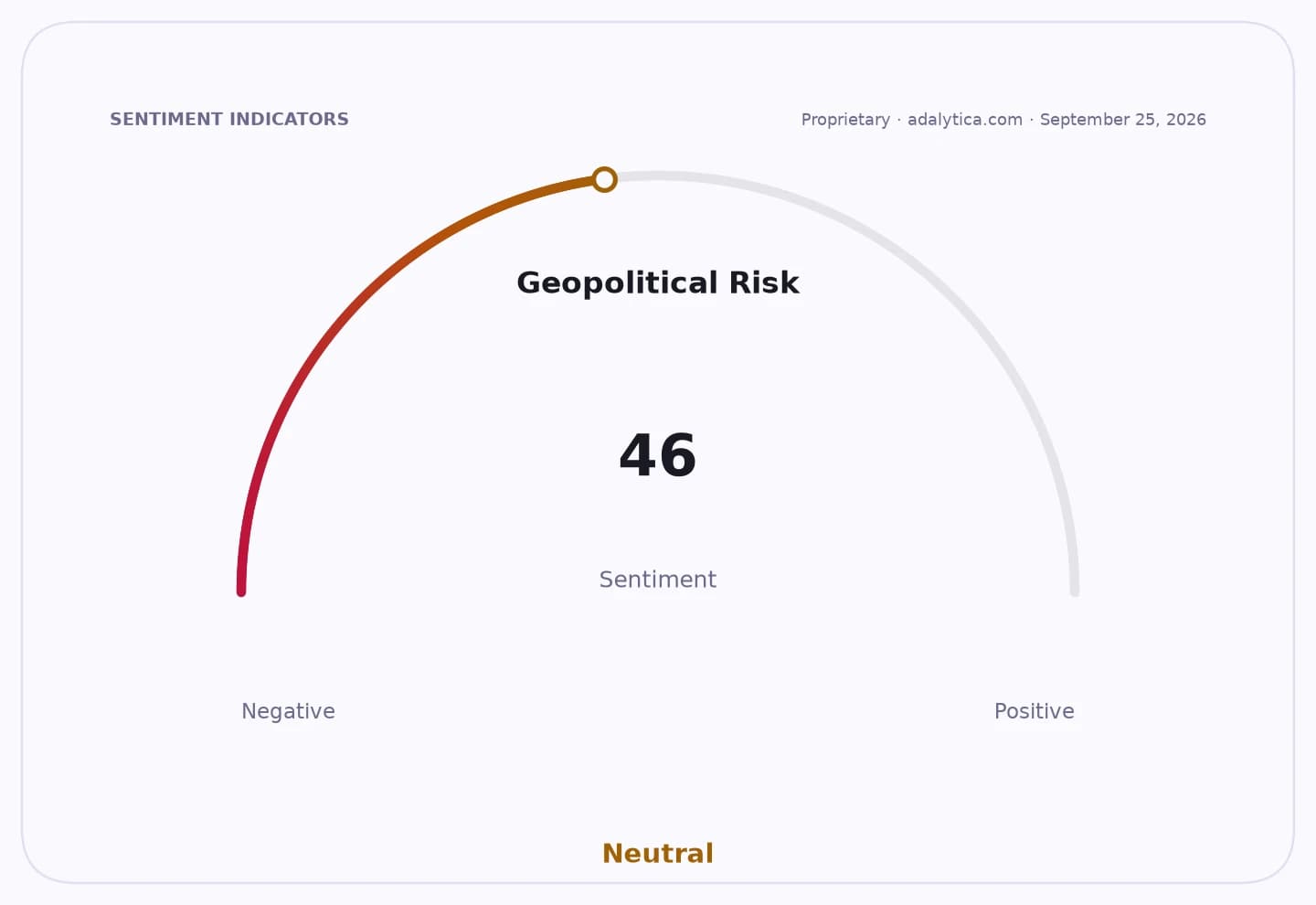
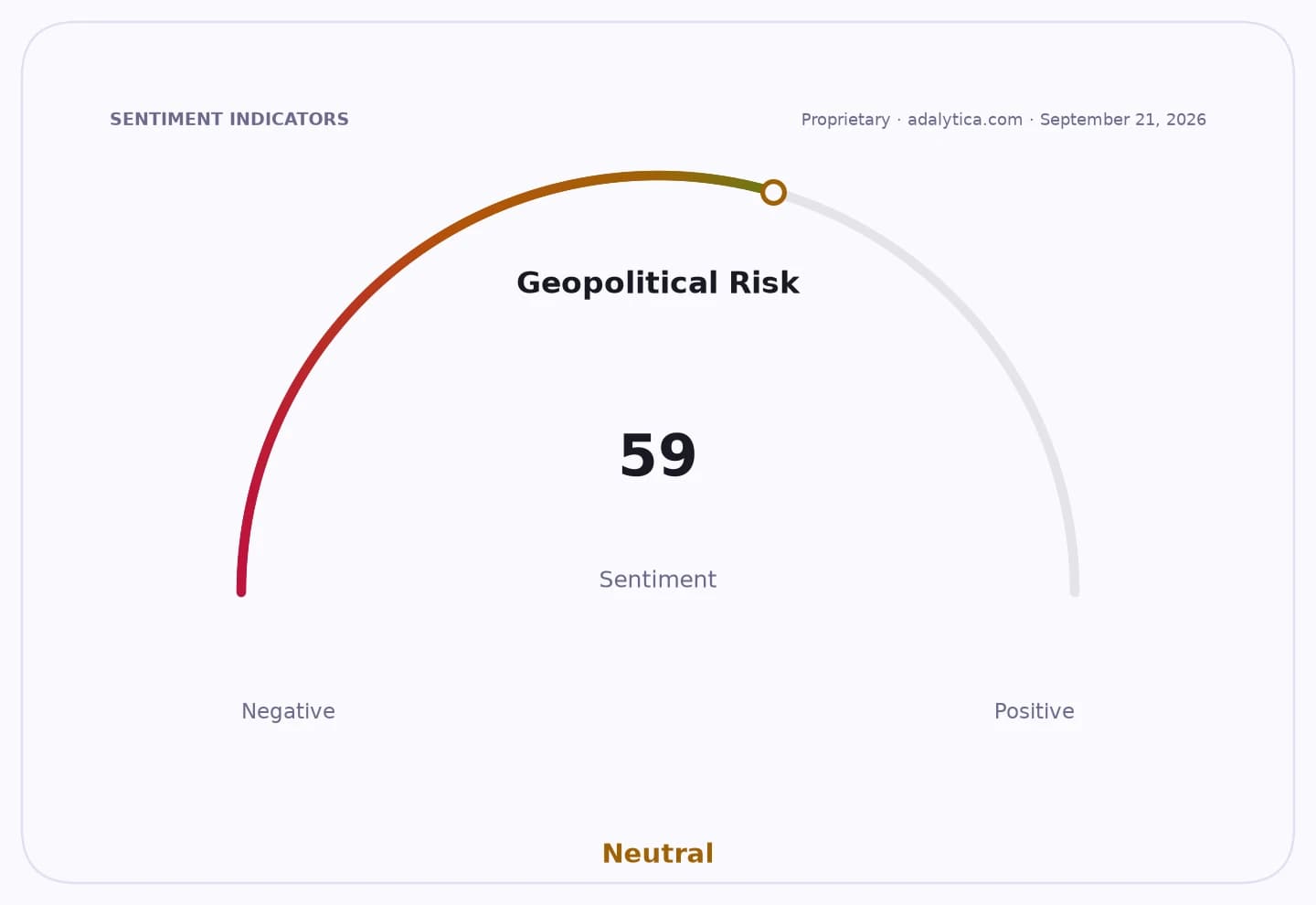
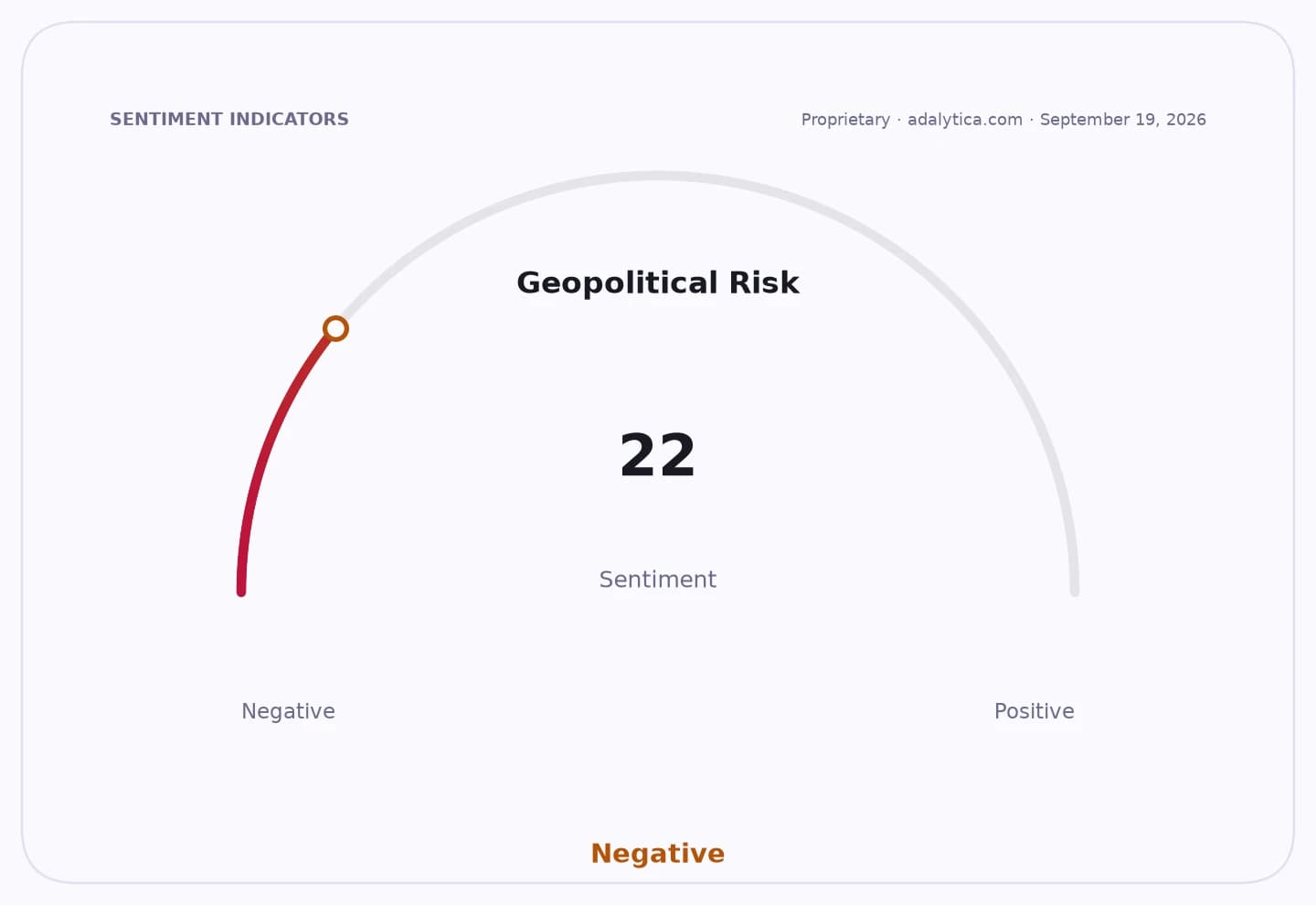
The market backdrop is not benign. Global risk appetite has been fragile, and oil prices have stayed elevated enough to keep the Arctic and Russian energy themes economically relevant. At the same time, broader stability gauges show sentiment deteriorating sharply over the past week, underscoring how quickly geopolitical headlines can affect capital allocation. For Russia, that makes self-contained investment zones and state-directed digital projects more than a policy slogan — they are a response to constrained financing and a shrinking window to modernize on its own terms.
The bear case is that these efforts produce more paperwork than productivity, with special regimes unable to overcome sanctions, weak external demand and technology bottlenecks. The bull case is that Russia can still redirect domestic savings and allied capital into sectors where it retains strategic advantages, particularly in resource extraction, transport and applied AI. The next test is whether the government turns the rhetoric into binding rules, fiscal incentives and large-scale commitments that private investors can actually underwrite.
| Entity | Gains | Losses |
|---|---|---|
| Russian state | ▲Strategic investment control | ▼Policy credibility if execution lags |
| Domestic tech firms | ▲Easier regulation and funding | ▼Higher compliance burden if rules stay unclear |
| Arctic infrastructure and energy groups | ▲Capital access and project support | ▼Sanctions and security risk |
| Foreign investors and suppliers | ▲Limited niche openings | ▼Restricted access and higher risk premia |