Amnesty International says Russia has been luring foreigners into its war in Ukraine with false promises of civilian jobs, high wages, residency permits and even citizenship, a practice that could amount to human trafficking and deepens the Kremlin’s manpower problem at a time when battlefield attrition remains punishing.
Russia Allegedly Recruits Foreigners for Ukraine War
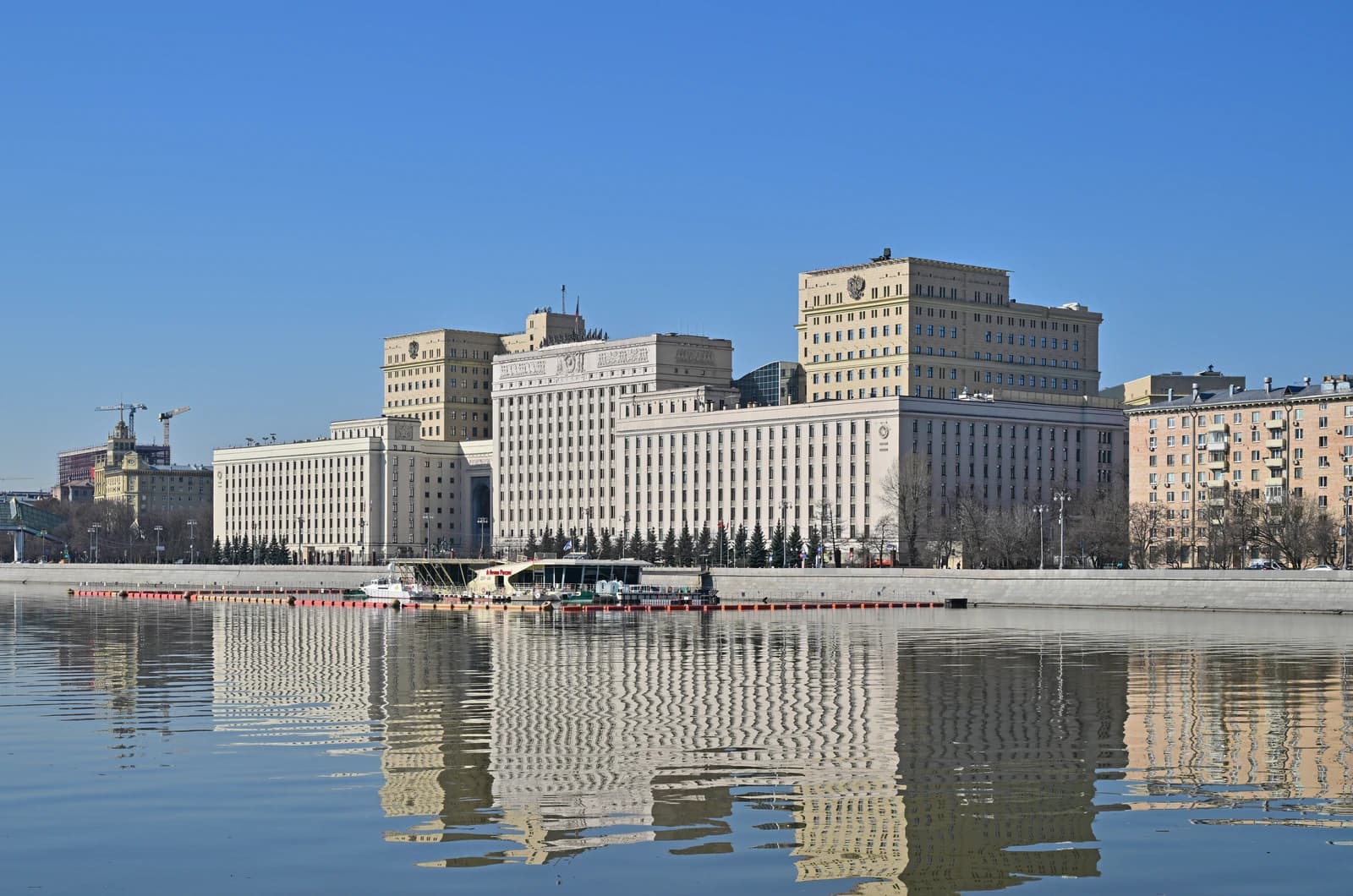
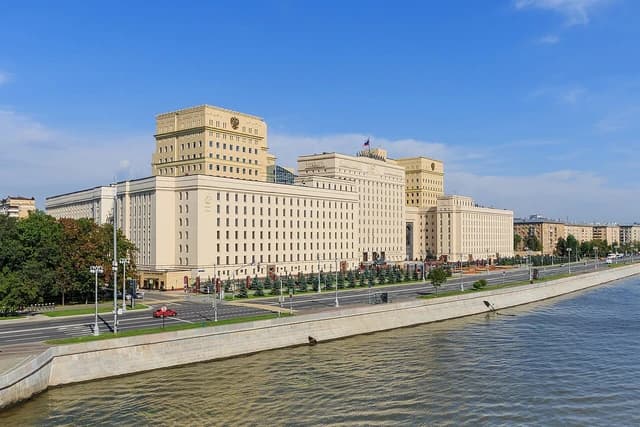
That matters because the allegation points to a war machine still burning through labor faster than it can sustainably replace it. If Russia is leaning on coercion, deception and economic desperation to fill the ranks, it is not just exposing another human-rights violation; it is revealing how expensive and fragile its mobilization effort has become. For investors, that reinforces the view that the war is not a short-term geopolitical shock but a persistent drain on Russian state capacity, with implications for sanctions pressure, defense spending and the premium markets assign to European security assets.
Amnesty said it interviewed just over a dozen foreign prisoners of war in two Ukrainian camps during six visits between 2024 and 2026, drawing testimony from people from Colombia, Cuba, Egypt, Somalia, South Africa, Brazil and Sri Lanka. Only three said they had knowingly signed up for military service in Ukraine, the group said. Others described passports and mobile phones being taken away after contracts were signed, while agreements were written in Russian and no English was spoken. The recruits reportedly received only about two weeks of basic training before being sent toward the front.
The broad economic takeaway is that Russia’s war effort is increasingly dependent on low-cost, high-risk labor arbitrage. That is a sign of strain, not strength. A recruiting model that allegedly targets foreigners facing economic hardship suggests Moscow is trying to suppress manpower costs while sustaining an attritional campaign that remains capital-intensive in missiles, drones, logistics and replacements. The longer that dynamic persists, the more it supports demand for defense production, ammunition suppliers, battlefield-surveillance systems and border-security capabilities across Europe.
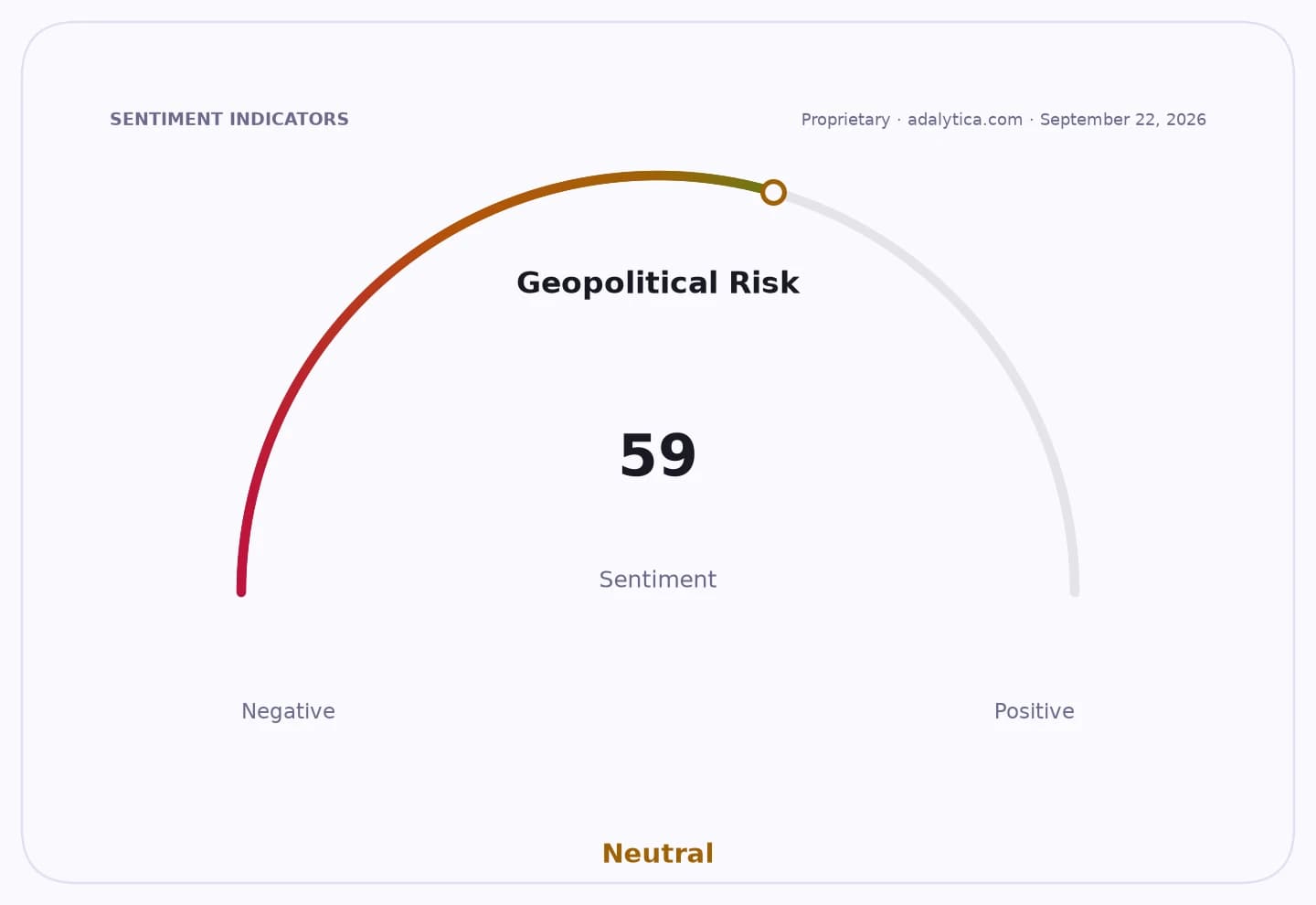
Adalytica’s Global Stability Sentiment gauge has already turned sharply more fearful, underscoring how geopolitical risk can reprice quickly even when front-line developments are incremental. For markets, the real question is not whether this report changes the war overnight. It is whether it confirms that Russia’s conflict economy is being forced deeper into coercive recruitment, which increases the odds of a prolonged conflict and keeps pressure on European governments to sustain military aid and rebuild deterrence.
That is why the investable theme remains intact: the war continues to favor defense contractors, security technology providers and selected European industrial names tied to rearmament, while Russian-linked assets remain hamstrung by isolation, sanctions and reputational risk. The market often looks for a ceasefire catalyst before pricing these trends fully, but the more telling signal is the need for Russia to keep reaching beyond its borders for soldiers. That is the kind of structural weakness that can keep a geopolitical trade alive much longer than headlines suggest.
| Entity | Gains | Losses |
|---|---|---|
| European defense stocks | ▲Higher rearmament demand | ▼ |
| Russia | ▲Manpower at lower cost | ▼Reputation, sanctions risk |
| Foreign recruits | ▲Possible pay or residency promises | ▼Coercion, frontline exposure |
| Ukrainian forces / allies | ▲Stronger case for support | ▼Prolonged war burden |