Russia’s wartime economy is still being propped up by defense spending, but the model is now draining the state, crowding out civilians and leaving Moscow more dependent on China and oil revenues as the war enters its fifth year.
Russia Wartime Economy Strains Budget and Civilian Sector

That matters because the Kremlin’s ability to sustain the war effort increasingly hinges on an economy that looks healthier in headline numbers than it is underneath. Official data show gross domestic product rose 4.1% in 2023 and 4.9% in 2024 after a 1.4% contraction in 2022, while unemployment has fallen to 2.4% from 4.8% in 2021. But independent assessments say those figures are flattered by military production and mobilization, not broad-based strength.
The shift has turned Russia into what economists describe as a war economy with rising costs everywhere else. The defense sector is absorbing labor, imported parts and bank financing, while the rest of the economy faces labor shortages, inflation, higher interest rates, heavier taxes and weaker access to foreign goods. The result is an industrial machine geared toward war, not productivity.
For investors, the most important implication is that Russia’s fiscal and external buffers are being eroded. Defense spending now accounts for about a third of the budget, and the deficit in April was already 50% above the full-year projection, according to Atlantic Council estimates. Moscow’s wartime reserves are also largely exhausted, reducing its room to absorb another shock from sanctions, energy losses or battlefield setbacks.
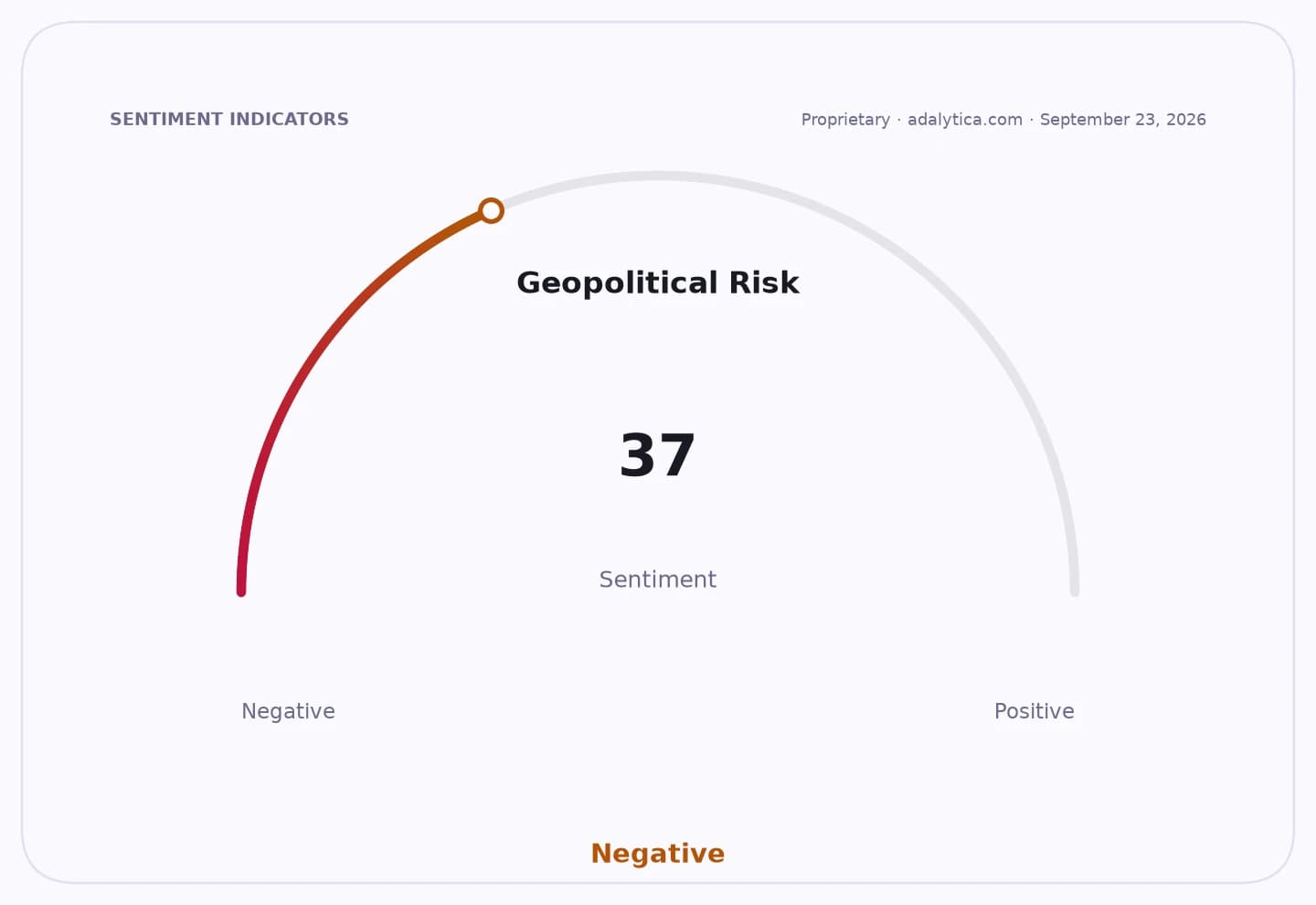
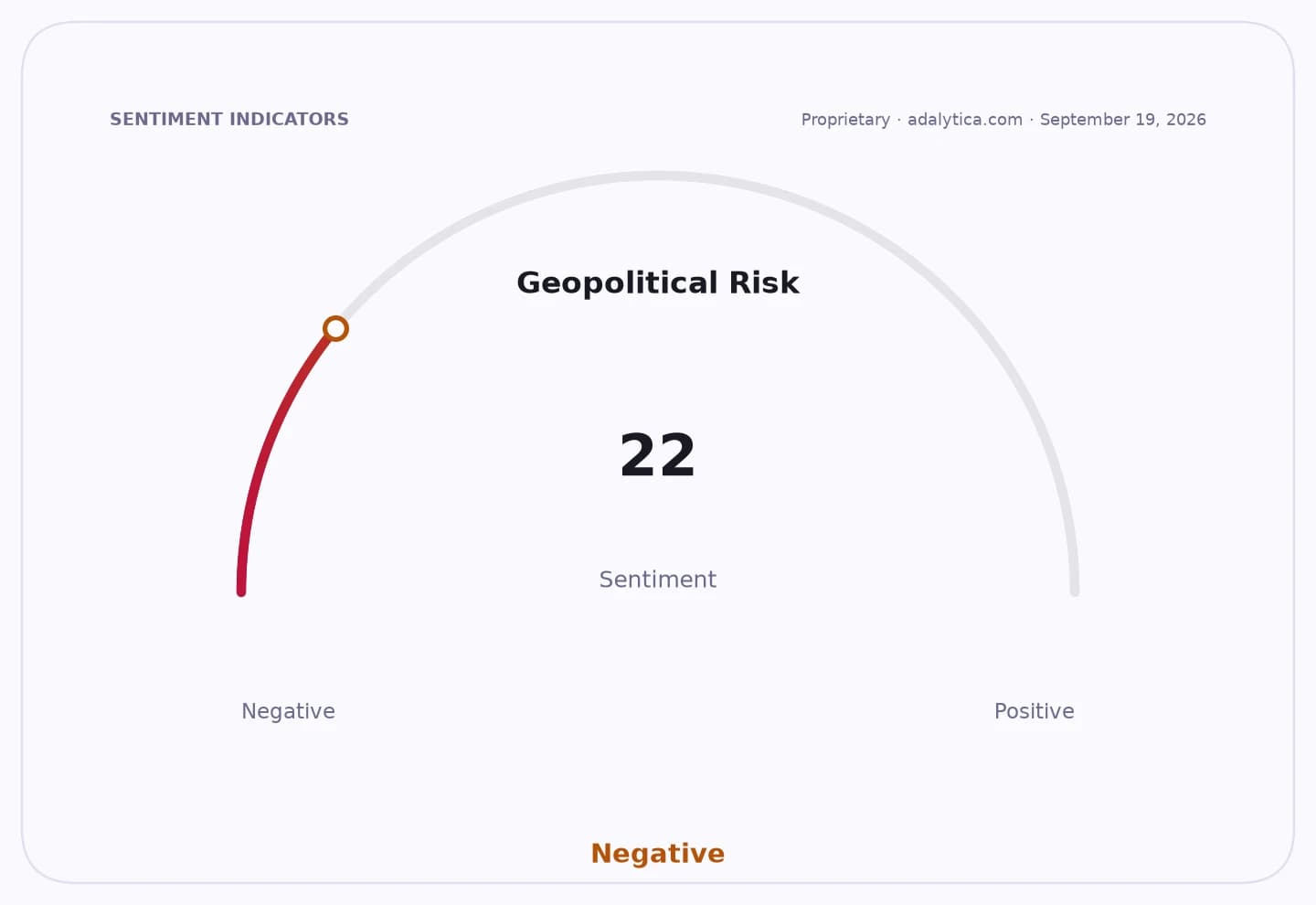
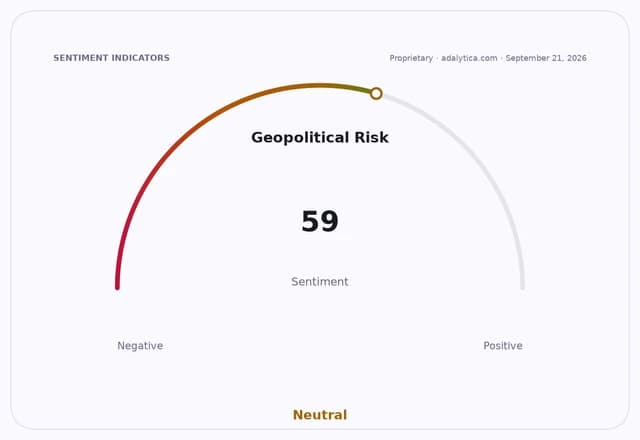
Geopolitical Risk — 30-day sentimentadalytica.com
Explore this data interactively — full history, time series and cross-market comparisons.Open AlphaPulse
Oil and gas still cushion the system, but not enough to offset the pressure. Higher global crude prices have helped Russia’s export receipts, yet Ukrainian drone strikes and years of underinvestment have cut refining capacity by 30% to 45%, weakening one of the Kremlin’s key revenue streams. At the same time, China has become a crucial supplier and buyer, giving Beijing more leverage over Russian trade and technology access.
The political economy is increasingly distorted by battlefield incentives. Moscow is paying ever-larger signing bonuses, salaries and death compensation to recruit soldiers without resorting to unpopular conscription, a policy that transfers wealth to poorer regions and deepens the labor squeeze at home. That helps sustain the war in the short run, but it also makes the civilian economy harder to rebuild if the fighting stops.
Western officials and strategists are now openly recognizing that Russia has become militarily stronger even as its domestic economy deteriorates beneath the surface. That leaves investors focused less on any near-term rebound in Russian growth than on how long the state can keep financing war without a sharper fiscal break, further sanctions pressure or a forced shift toward negotiations.
| Entity | Gains | Losses |
|---|---|---|
| Russia’s defense sector | ▲More funding and labor | ▼Civilian economy resources |
| Kremlin war effort | ▲Short-term mobilization capacity | ▼Fiscal buffers and reserve cash |
| China | ▲Greater leverage over Russian trade | ▼Little direct downside |
| Russian households and firms | ▲Wartime wages for some recruits | ▼Inflation, taxes, shortages |