Russia’s central bank has ordered systemically important lenders to accept payments to the Treasury through the Fast Payments System from April 2027, a move that will pull more government transactions onto a single domestic payments rail and further reduce reliance on legacy bank transfer channels.
Russia central bank orders SBP for Treasury payments
The rule matters because the Treasury is a major payment hub for taxes, fines and other state fees, and forcing large banks to support SBP for those flows should make collections faster, cheaper and harder to route around traditional banking infrastructure. It also extends the reach of a system that the authorities have increasingly positioned as a core part of Russia’s financial plumbing, at a time when sanctions have made domestic payment autonomy more strategically valuable.
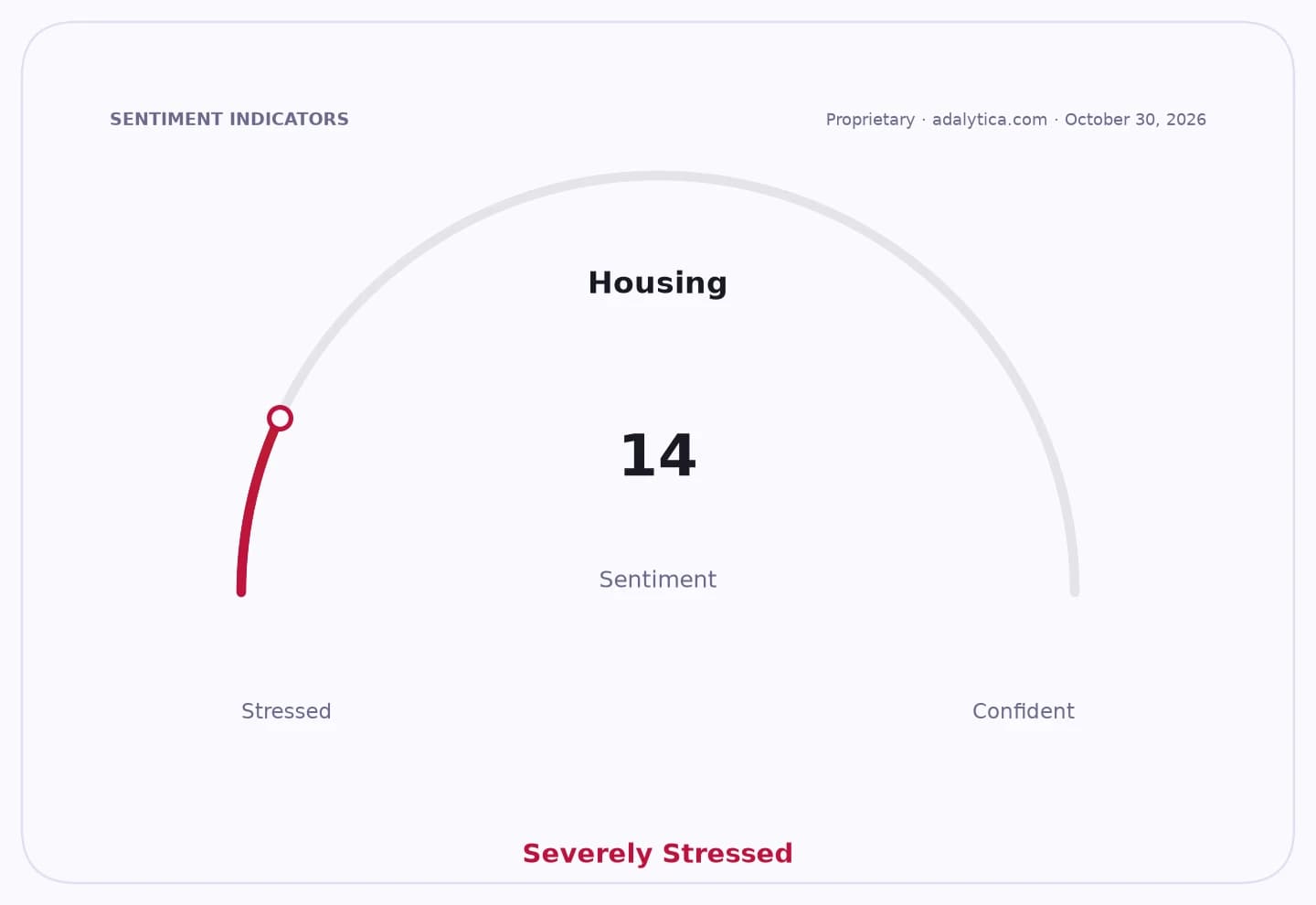
Sentiment Indicators
Under the directive, systemically important lenders must from April 1, 2027, let customers pay for government services via SBP into the unified Treasury account. The same deadline applies to SBP-based transfers of funds to individuals from other individuals, while from Oct. 1, 2027, banks will have to allow cash accepted through ATMs to be transferred to accounts at other SBP participant banks. Those transfers will be capped at 25,000 rubles per transaction, 50,000 rubles a day and 200,000 rubles a month.
For the state, the economics are straightforward: a single, standardized payments route lowers processing friction and can improve compliance by making it easier for individuals to pay obligations such as traffic fines, court debts and other charges administered by state bodies. For banks, the change is more mixed. It adds operational obligations and further commoditizes basic payments, but it also deepens customer reliance on the digital infrastructure that large lenders already operate. The burden will fall first on systemically important banks, meaning the largest players are likely to absorb the upgrade costs while smaller institutions watch for broader rollout requirements later.
Investors should read the move as another sign that Russia is continuing to centralize financial flows inside domestic rails rather than market-led payment networks. That supports the long-term relevance of major local banks, but it also limits pricing power in plain-vanilla transaction services and keeps regulatory pressure high. In an environment where payment volumes matter and fee income is under scrutiny, the winners are likely to be lenders with the scale to adapt quickly and the technology to embed more government and consumer flows; the losers are banks with weaker digital infrastructure and any payment intermediaries left outside the SBP ecosystem.
The next issue for markets is whether the central bank broadens the mandate beyond systemically important lenders and whether SBP usage for state payments starts to crowd out other channels more quickly than expected. If it does, the policy will reinforce Russia’s shift toward a more closed, state-directed payments architecture, with implications not just for banks but for the wider financial system.
| Entity | Gains | Losses |
|---|---|---|
| Russian Treasury | ▲Faster collections | ▼Legacy payment friction |
| Systemically important banks | ▲Higher SBP relevance | ▼Compliance costs |
| Smaller banks | ▲Later rollout window | ▼Competitive pressure |
| Consumers | ▲Easier government payments | ▼Less channel choice |