Russia’s central bank chief is pushing back against calls to expand subsidized home loans, warning that overly generous preferential mortgages would crowd out the market and make ordinary borrowing effectively unaffordable. The message matters because housing credit is one of the biggest transmission channels for monetary policy, and Moscow is trying to avoid a repeat of the distortions that come with state-backed lending schemes.
Russia Central Bank Limits Subsidized Mortgages
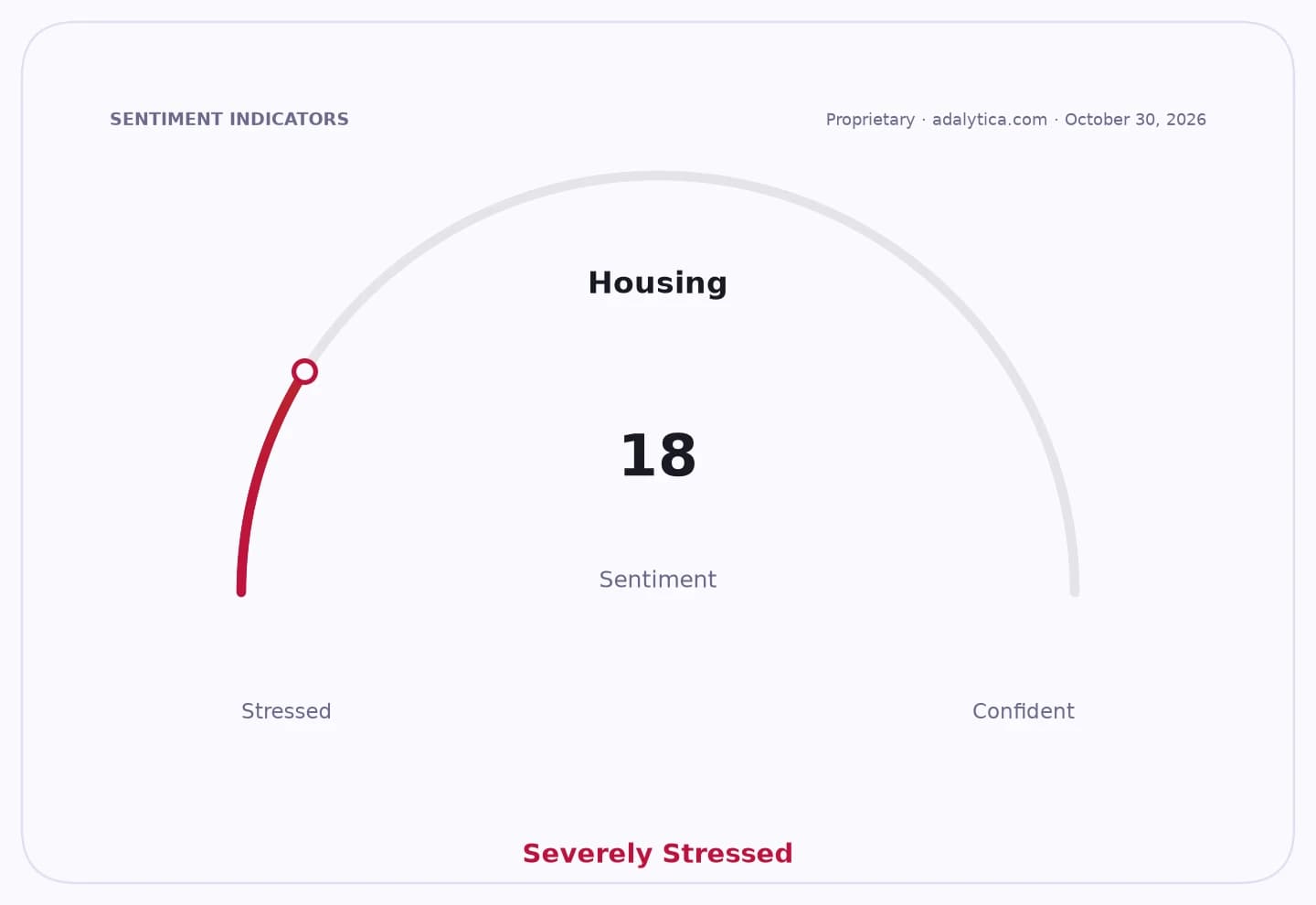
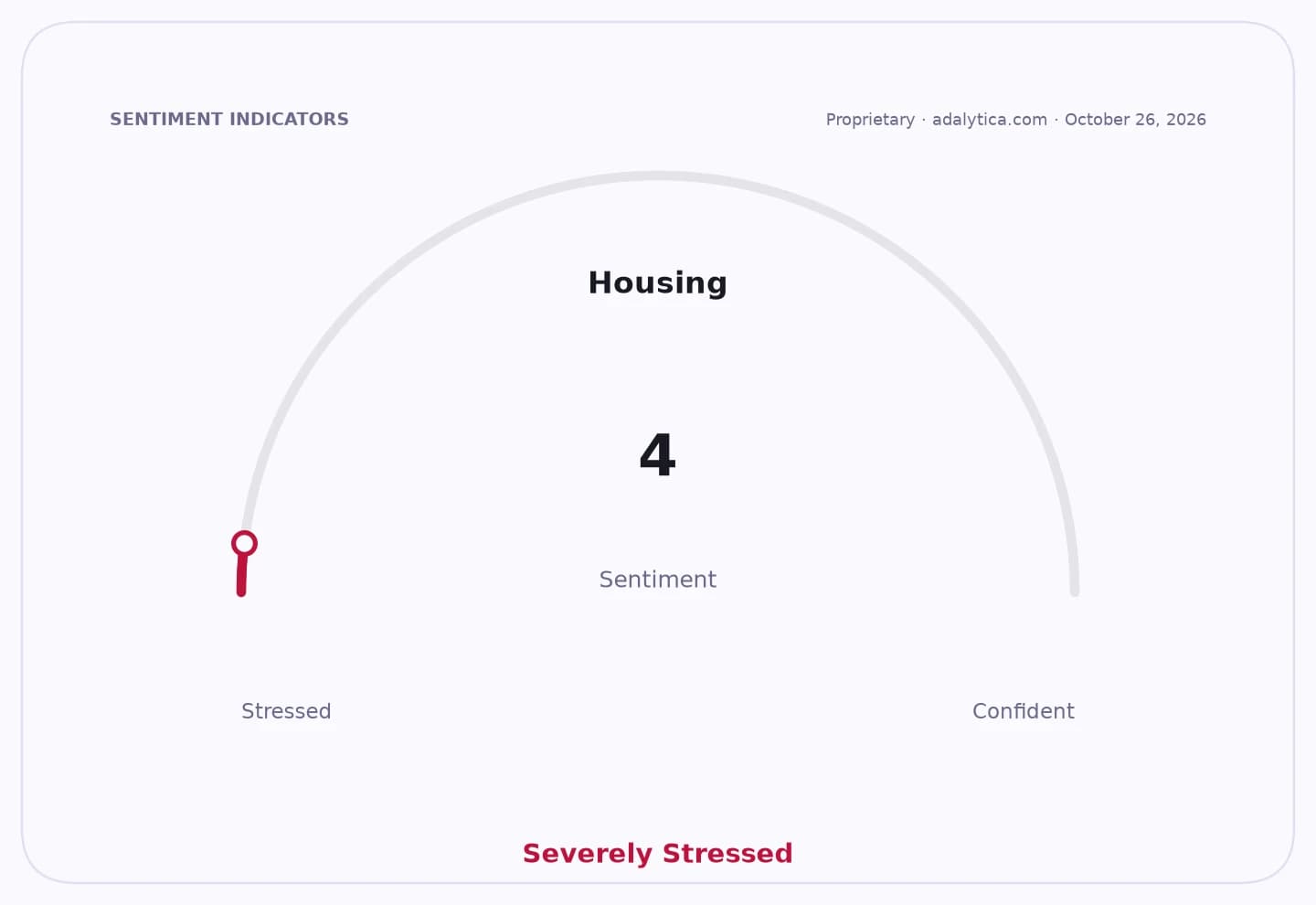
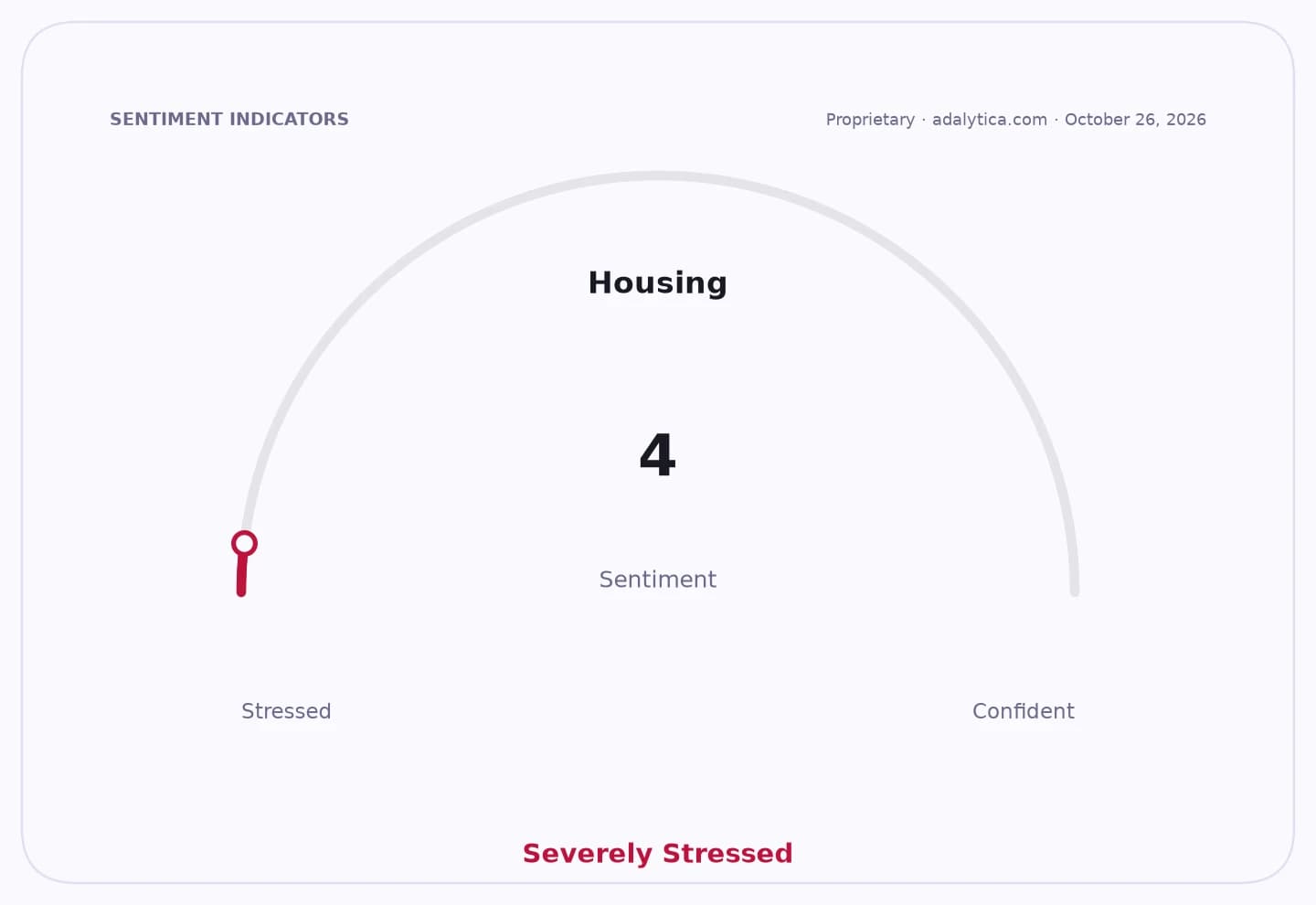
Housing
Central Bank Governor Elvira Nabiullina said preferential mortgages should remain limited and should not be scaled up, even if they are targeted by profession, region or buyer category. She said that if subsidized lending covered 90% of mortgages, “market mortgage would become practically inaccessible,” underscoring the regulator’s concern that the state would end up setting the price of housing credit.
Sentiment Indicators
The warning comes as Russia adjusts its family-mortgage program from Oct. 1. Under the new rules, rates for most regions range from 2% to 10%, while Moscow, St. Petersburg and the surrounding regions face 4% to 12%. Loan caps were also tightened to 6 million to 10 million rubles in the regions and 12 million to 18 million rubles in the capital and nearby areas, with a 6% rate kept for private-home construction and a maximum repayment period of 15 years.
For banks and borrowers, the shift is about availability as much as price. Wider subsidies can support home sales and construction in the short term, but they also risk distorting credit demand, pushing up house prices and draining business from market-rate mortgages. Nabiullina’s stance signals the regulator wants mortgage support to stay targeted rather than become a broad fiscal substitute for normal lending.
Investors should read the comments as a reminder that policy is still aimed at containing credit excesses even with housing demand under pressure. The housing market is sensitive to borrowing costs, and in an environment where central banks are guarding against inflation and financial imbalances, the size and design of mortgage subsidies can affect bank margins, origination volumes and housing-related equities.
The next focus will be whether the new limits cool demand without triggering a sharper slowdown in construction or consumer credit. Markets will also watch for any follow-up from policymakers on how far family and regional mortgage support can be stretched before it undermines the market-rate mortgage channel entirely.
| Entity | Gains | Losses |
|---|---|---|
| Russian Central Bank | ▲tighter credit transmission | ▼housing-demand stimulus |
| Market-rate lenders | ▲clearer pricing discipline | ▼subsidized-loan competition |
| Homebuyers in eligible programs | ▲lower rates, targeted access | ▼broader mortgage access |
| Developers | ▲sustained but selective demand | ▼volume from cheaper mass credit |