Russia is heading into 2026 with an unusually compressed working calendar, but the more consequential story is that its economy is already running too hot, forcing policymakers to navigate a labor market and demand profile that outpace supply.
Russia Economy Overheats as Bank Keeps Rates High
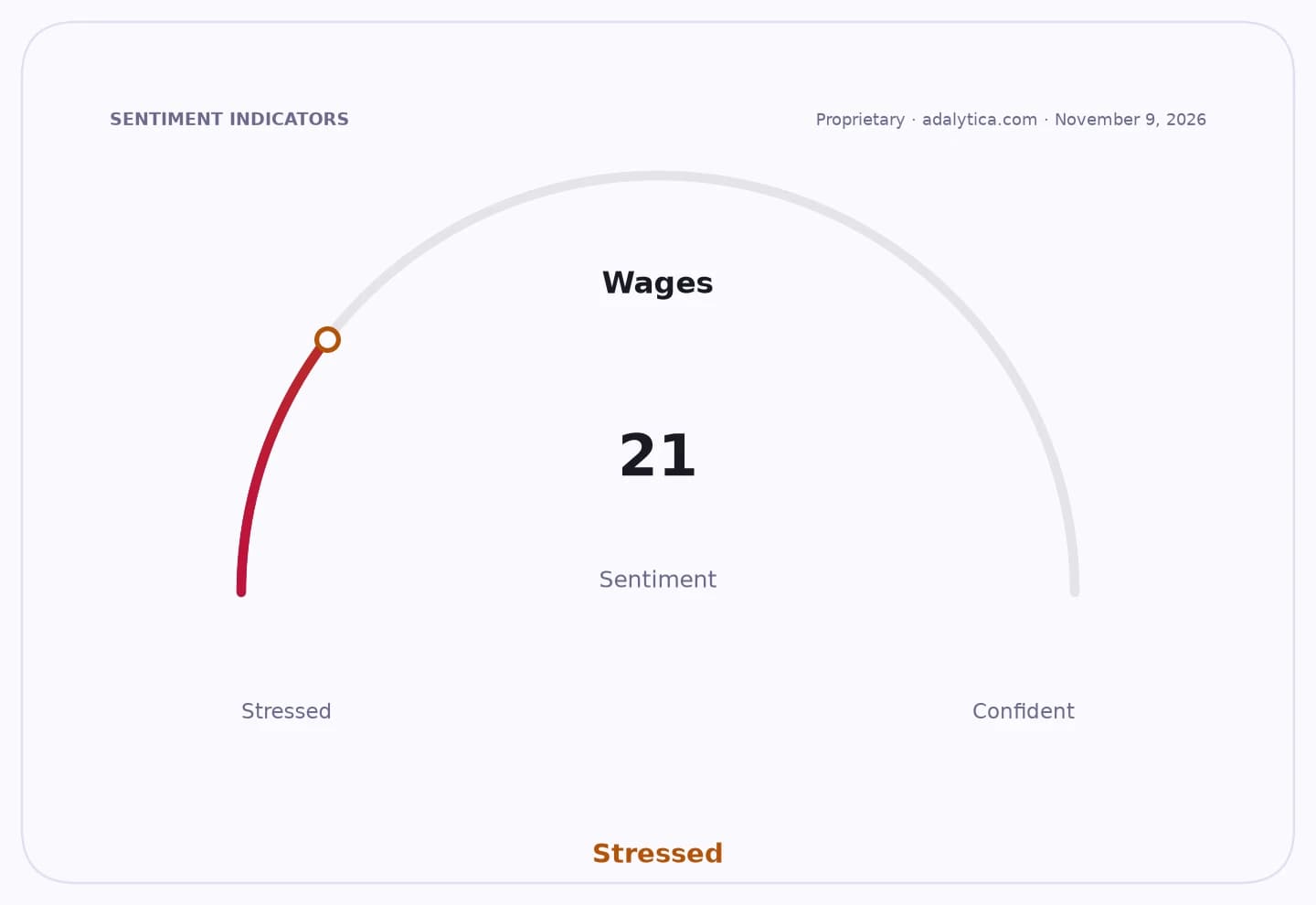
The Bank of Russia said on Nov. 5 that the economy entered an overheating phase in the third quarter, a sign that domestic demand has pushed beyond the economy’s productive capacity. That matters because overheating typically feeds wage pressure, persistent inflation and tighter financial conditions, making it harder for the central bank to steer growth without keeping rates elevated for longer.
For investors, the signal is twofold. On one hand, strong nominal activity can support revenues for companies selling into the domestic market, particularly in sectors tied to consumer demand and state spending. On the other, an output gap driven by excess demand usually erodes purchasing power and raises the risk of policy restraint, which tends to weigh on credit growth, bank margins and valuation multiples for rate-sensitive assets.
The timing is also important. Russia’s economy has shown resilience despite sanctions and war-related disruption, but that resilience now comes with a cost: capacity constraints are becoming more visible. When supply cannot keep up, firms face higher input costs, tighter labor conditions and less room to expand margins. The central bank’s assessment implies that the mix of war spending, import substitution and labor shortages is now creating more inflationary pressure than real productive growth.
That backdrop leaves policymakers in a difficult position. Cutting rates too quickly could worsen price pressures, while keeping them high for longer risks squeezing private investment and consumption. Either path carries consequences for Russia’s corporate sector, where financing costs and access to capital remain central variables.
The broader regional picture is no easier. Intensified Russian attacks on Ukraine have deepened strain on Kyiv’s energy financing, including a reported €450 million shortfall in the Energy Support Fund, underscoring how the war continues to distort fiscal balances and infrastructure spending across the region. In that environment, Russia’s overheating economy looks less like a sign of strength than a symptom of wartime distortion.
For markets, the key question is whether Russia can cool demand without triggering a sharper slowdown. If inflation remains sticky, the Bank of Russia may have to keep policy restrictive, extending pressure on borrowers and limiting upside for domestic-focused assets. If growth falters before inflation eases, the economy could face the stagflationary mix that investors dislike most.
| Entity | Gains | Losses |
|---|---|---|
| Russian exporters | ▲Higher nominal demand | ▼Stronger policy restraint |
| Russian consumers | ▲— | ▼Higher inflation, tighter credit |
| Bank of Russia | ▲Policy leverage | ▼Growth-inflation tradeoff |
| Ukraine and regional energy systems | ▲— | ▼War-related fiscal strain |