Russia is stepping up strikes on Ukraine’s rail network, damaging a system that has become essential to civilian movement, evacuations and the delivery of military aid as the country’s airspace remains closed.
Russia steps up strikes on Ukraine rail network
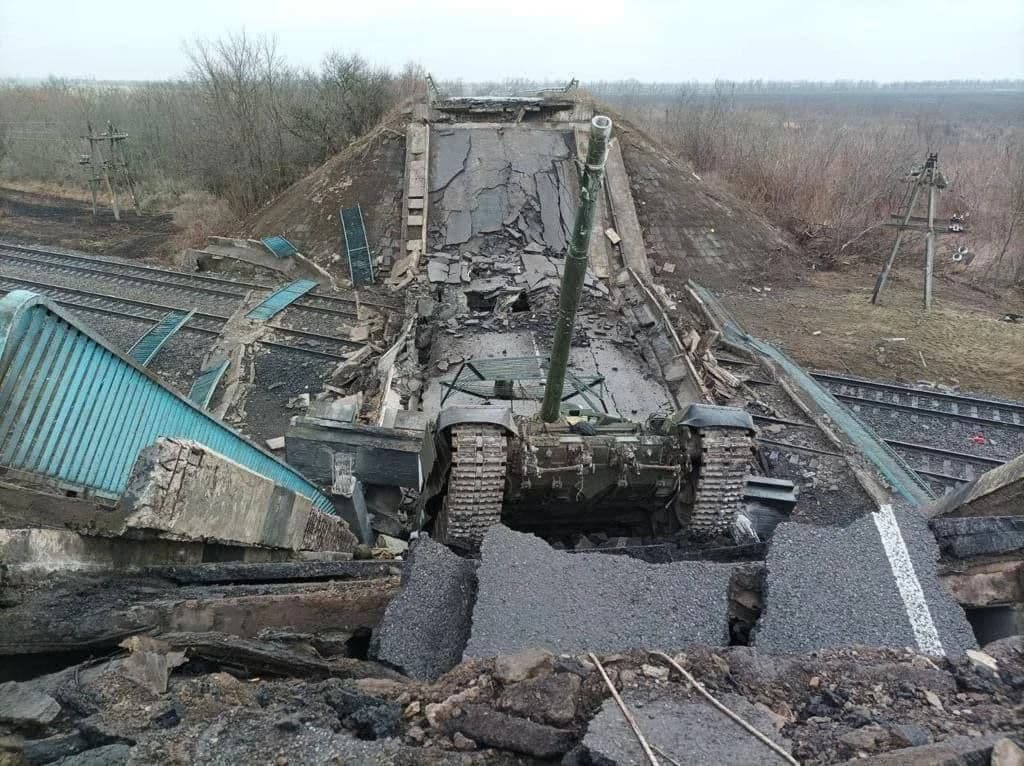
The campaign matters economically because rail is now one of Ukraine’s few functioning national arteries. With passenger flights grounded, trains carry people out of frontline areas, move grain and other cargo, and link import routes that keep the wartime economy running.
Sentiment IndicatorsⓘProprietary · adalytica.com · September 21, 2026
This is a snapshot — live sentiment, awareness and momentum for 130+ markets update continuously in the dashboard.Open AlphaPulse
Foreign Minister Andrii Sybiha said Russia has damaged or destroyed more than 500 locomotives since the full-scale invasion began in February 2022, with more than half of those losses coming in the last eight months. Ukrzaliznytsia, the state railway operator, is reportedly losing 37 to 40 locomotives a month, a pace that is outstripping Ukraine’s ability to replace them.
The attacks also raise the cost of doing business and the risk premium around Ukraine’s logistics chain. Each locomotive costs about €5 million, or roughly $5.7 million, and officials say the country does not have enough domestic resources to cover the damage quickly, forcing reliance on lenders and partners including the European Bank for Reconstruction and Development and the World Bank.
Geopolitical Risk — 30-day sentimentadalytica.com
Explore this data interactively — full history, time series and cross-market comparisons.Open AlphaPulse
Russia is adapting its tactics too. Ukrainian railway chief Oleksandr Pertsovskyi said Moscow increasingly uses jet-powered “Geran”-type drones, which can reach 400 to 600 kilometers per hour and are harder to intercept, and has added mesh-network antennas that allow operators to guide drones in real time toward moving trains.
That has turned rail infrastructure into a direct battlefield target near NATO territory as well. Russia on Sept. 13 struck the Yahodyn railway station in western Ukraine, just four kilometers from the Polish border, in what Ukrainian officials said may have been aimed at a train carrying diplomats, including former British Prime Minister Boris Johnson and security advisers.
The strategic logic is clear: disrupt the transport corridors that sustain Ukraine’s economy and war effort. Pertsovskyi said Moscow wants to isolate frontline communities, spread panic, and paralyze the economy, while Russian Defense Ministry claims it is hitting border crossings used for foreign military aid.
Ukraine is now pushing allies to help fill the gap, especially because its 1,520-millimeter rail gauge limits the pool of compatible rolling stock in Europe. Only the Baltic states and Finland use equipment that can readily fit the system, and Lithuania has separately pledged locomotives.
The pressure on infrastructure has already turned deadly for rail workers, with at least 52 Ukrzaliznytsia employees killed on duty and 317 injured, underscoring the human cost of a campaign that is now central to Russia’s wider effort to exhaust Ukraine’s economy and security network.
| Entity | Gains | Losses |
|---|---|---|
| Russia | ▲Disrupts logistics | ▼Increases pressure to sustain attacks |
| Ukraine’s rail operator | ▲International aid prospects | ▼Locomotives, crews, service reliability |
| Ukrainian civilians | ▲Continued rail service support | ▼Safer travel, evacuations, supply access |
| Western partners | ▲Greater influence in support efforts | ▼Higher replacement and security costs |