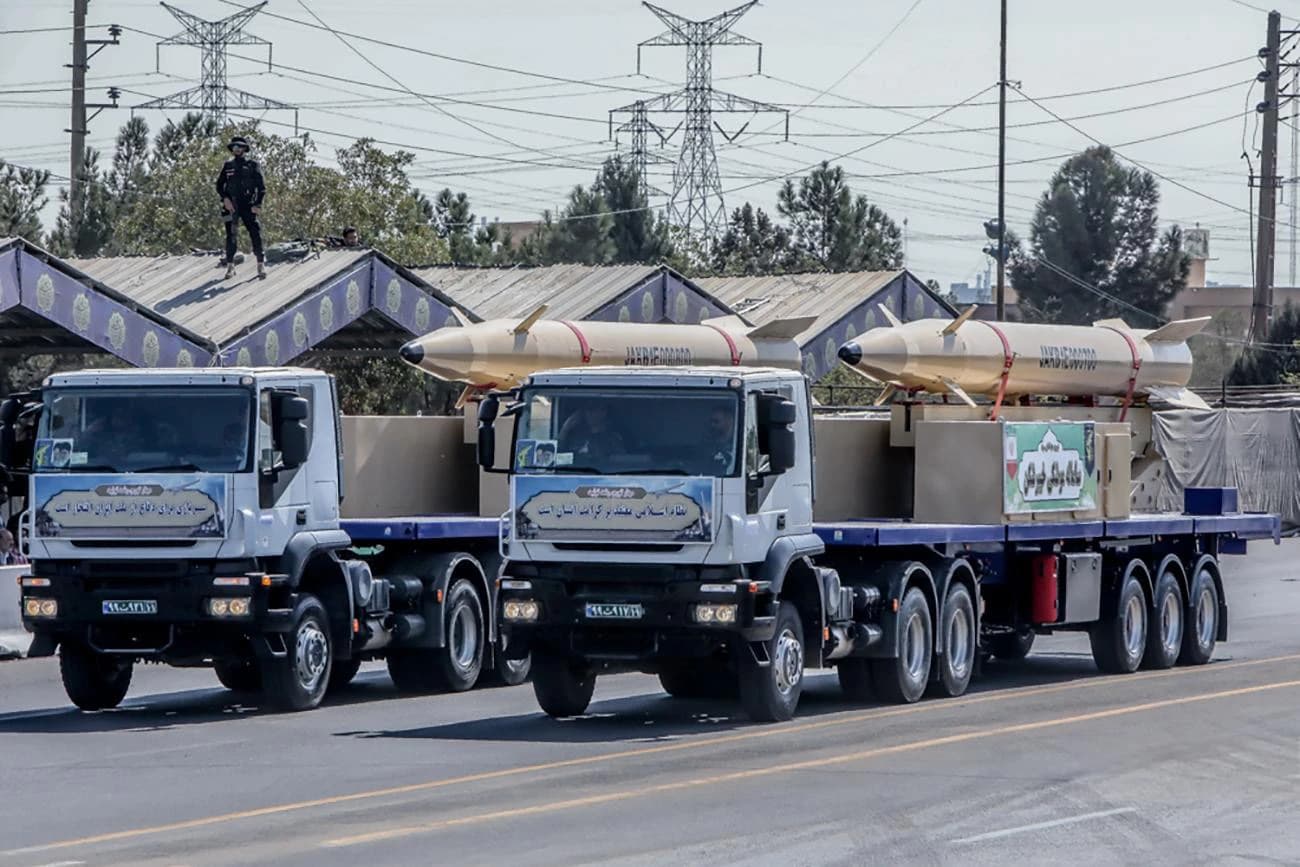
Russia said Ukraine fired six U.S.-made ATACMS missiles into the Bryansk region, underscoring a widening phase of the war in which Kyiv is increasingly able to hit military targets on Russian soil and Moscow is signaling the conflict now carries a higher risk of direct escalation.
Russia says Ukraine fired ATACMS at Bryansk

The Russian defense ministry said five of the missiles were shot down and one was damaged, with debris falling on an unspecified military site and causing a fire but no reported casualties. The claim follows President Joe Biden’s authorization for Ukraine to use longer-range U.S. missiles against targets inside Russia, a policy shift that could expand the battlefield far beyond the front line.
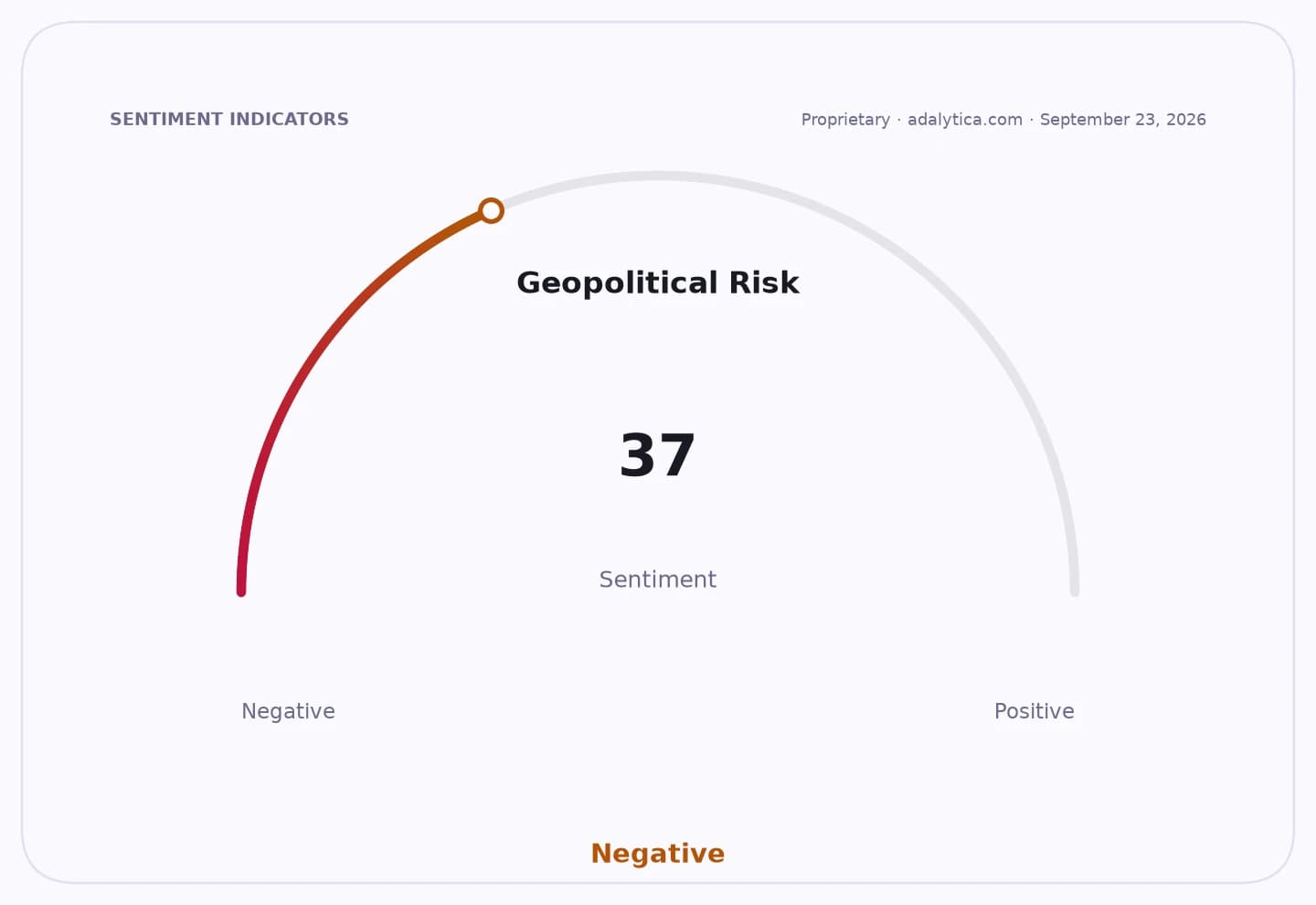
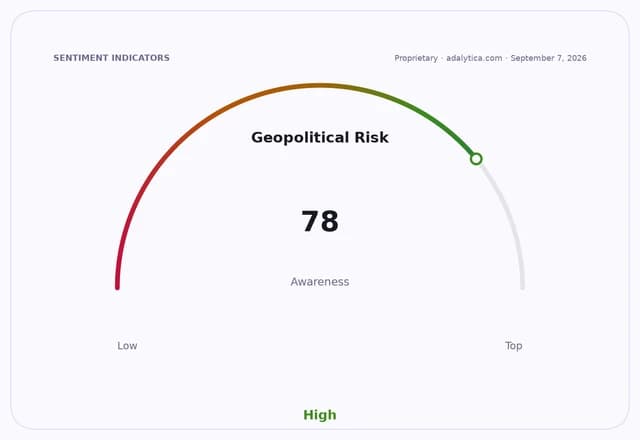
Sentiment IndicatorsⓘProprietary · adalytica.com · September 7, 2026
This is a snapshot — live sentiment, awareness and momentum for 130+ markets update continuously in the dashboard.Open AlphaPulse
That matters economically because it raises the odds of a broader, more expensive war of attrition. The ability to strike deeper into Russia can pressure logistics hubs, ammunition depots and command centers, but it also increases the risk of retaliation against Ukrainian infrastructure and of a faster deterioration in regional security. For Europe, that means more energy, defense and supply-chain risk at a time when growth is already fragile. For Russia, it means higher military costs and greater strain on domestic resilience.
Investors have been forced to treat the conflict less as a regional war and more as a persistent macro risk premium. The latest escalation is unlikely by itself to move global markets sharply, but it reinforces demand for defense assets and safe havens whenever the conflict appears to broaden. Oil and gas traders are watching closely because any sustained damage to Russian military or energy-linked infrastructure could tighten supply expectations, even if immediate flows remain intact.
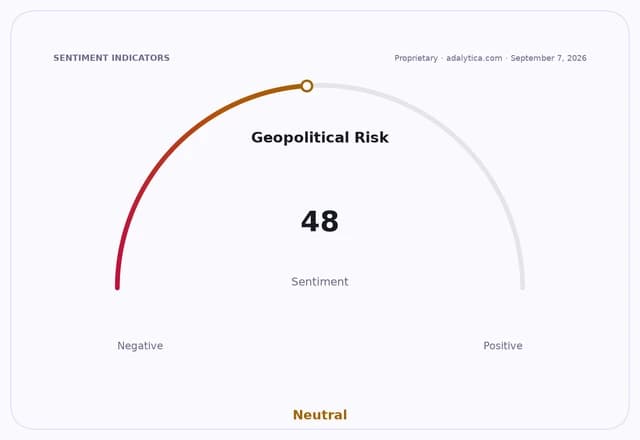
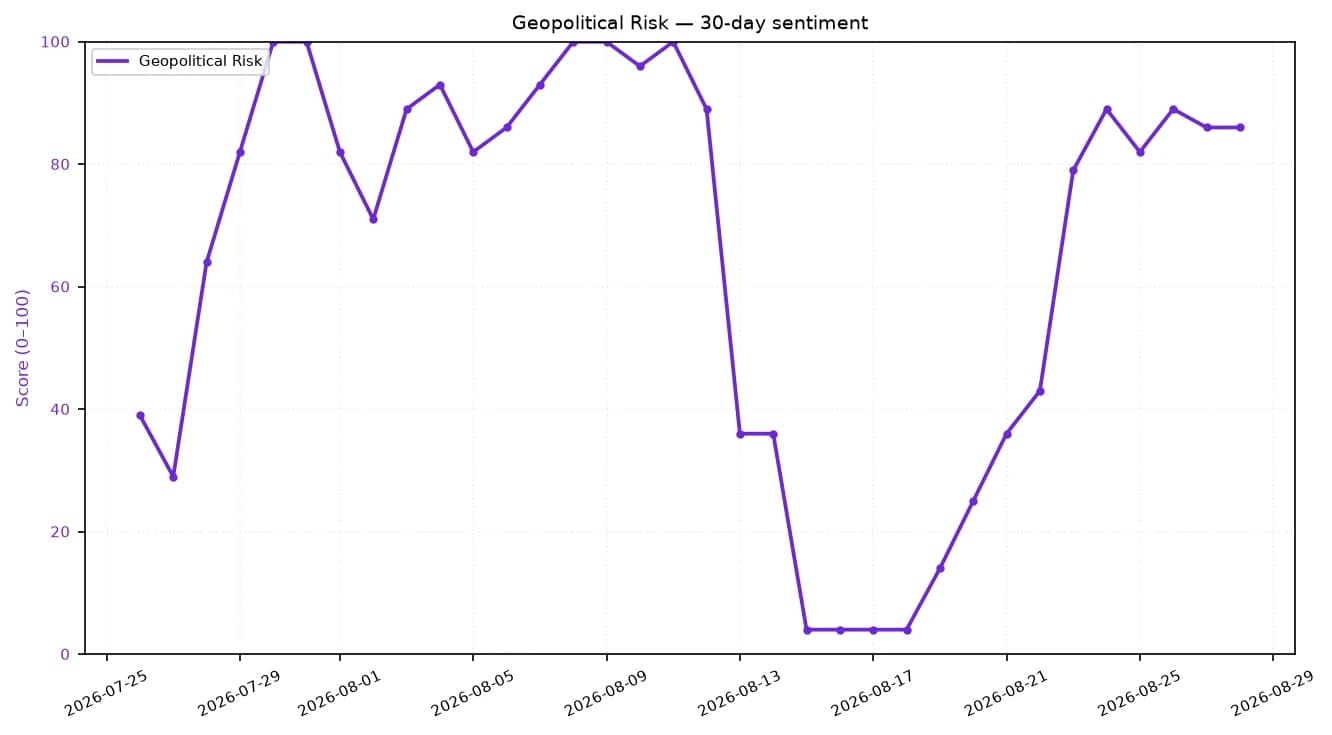
Market positioning already shows how sensitive traders are to geopolitical shocks. Adalytica’s Global Stability Sentiment gauge is neutral at 48, but its awareness reading remains elevated at 78, suggesting the market is highly attentive to security risk even after recent swings. On the energy side, Adalytica’s WTI Oil Trade Signals show fear at 30, while awareness is still high at 81, a combination that points to traders staying alert to headline risk without fully pricing a supply disruption.
Defense stocks and oil-related names tend to benefit when the war intensifies, while airlines, European industrials and broader risk assets can lose if escalation feeds into higher energy costs or weaker sentiment. In U.S. markets, the Reuters/ETF context points to a modest bid in defense exposure, with the iShares U.S. Aerospace & Defense ETF still trading well above its 200-day moving average, even as its technical indicators have cooled from overbought levels.
For now, the key issue is not whether the missiles changed the military balance overnight, but whether Washington’s decision marks a durable shift toward deeper strikes inside Russia. If it does, the war enters a more dangerous phase in which both sides may seek to raise the cost of prolonging it, keeping geopolitics firmly embedded in oil, defense and Europe risk pricing.
| Entity | Gains | Losses |
|---|---|---|
| Defense contractors | ▲Higher demand outlook | ▼— |
| Oil producers | ▲Geopolitical risk premium | ▼— |
| Ukraine | ▲Deeper strike capability | ▼Retaliation risk |
| Russian military | ▲— | ▼Greater base vulnerability |