Russia’s used-car market is increasingly being shaped by a simple economic reality: with Western automakers gone, consumers are paying up for imported German brands that are still widely seen as the benchmark for quality and resale value.
Russia Used-Car Market Favors BMW, Audi, VW

That shift matters because it shows how sanctions, trade restrictions and the collapse of direct Western supply are not eliminating demand — they are rerouting it. For investors, the result is a fragmented market in which Russian buyers are leaning on parallel imports and secondhand channels, while foreign manufacturers, local dealers and logistics firms compete for a smaller, pricier pool of inventory.
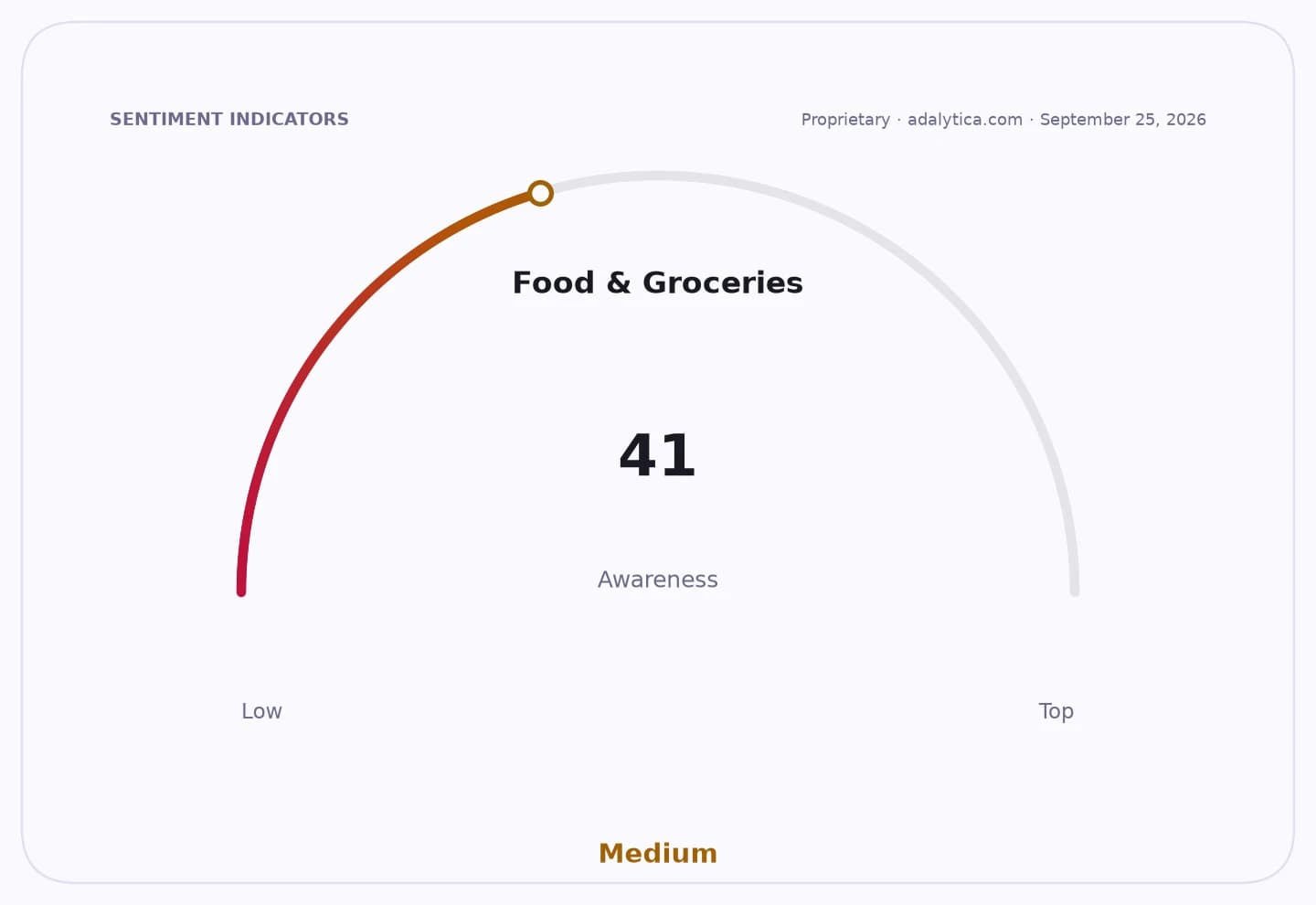
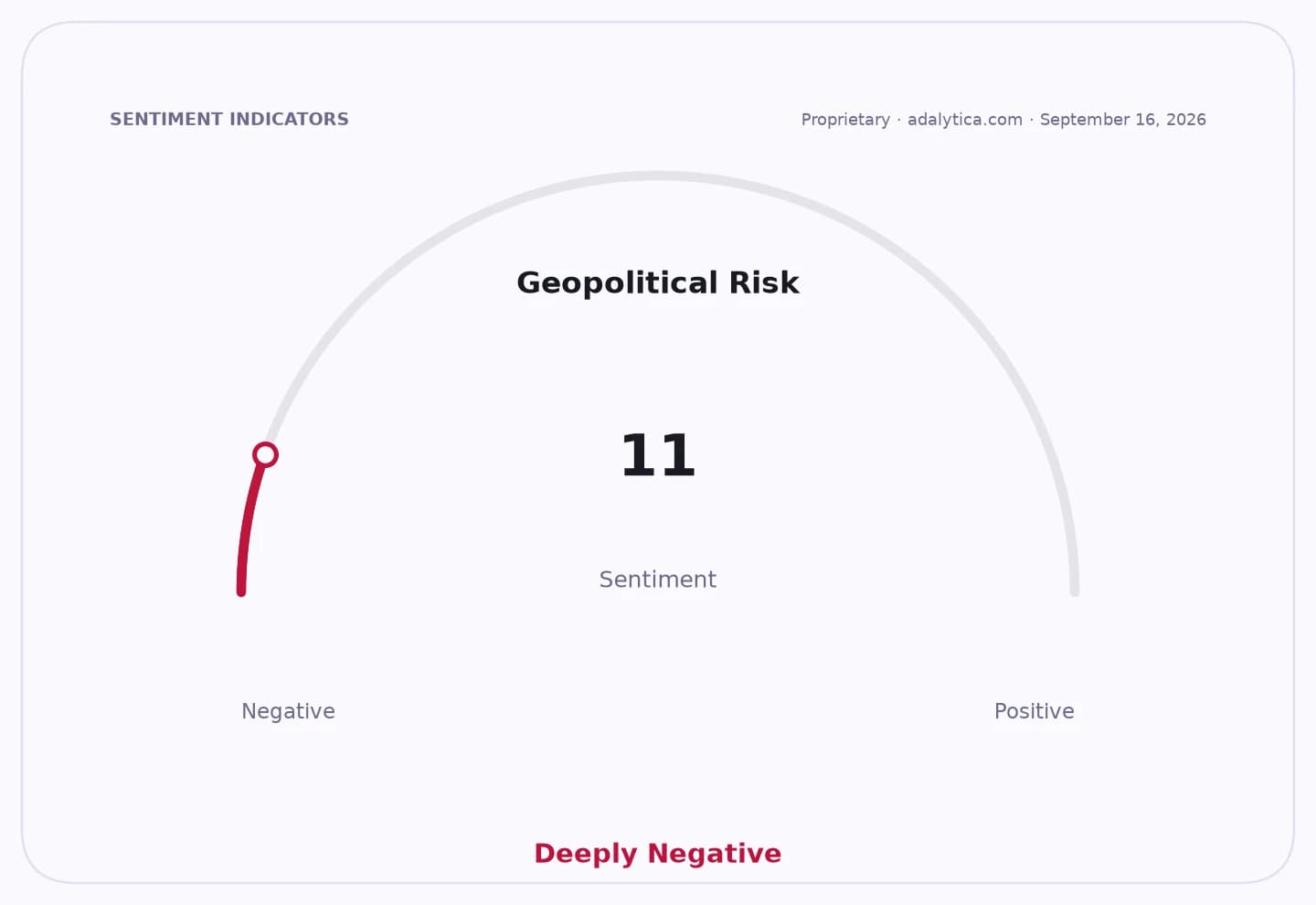
Sentiment IndicatorsⓘProprietary · adalytica.com · August 30, 2026
This is a snapshot — live sentiment, awareness and momentum for 130+ markets update continuously in the dashboard.Open AlphaPulse
BMW, Audi and Volkswagen remain the names that carry the most appeal, even as the cars are now bought through indirect channels rather than official distribution. The pattern underscores a broader post-sanctions adaptation: when new Western cars are harder to source, buyers move to imports and pre-owned stock, keeping prices elevated and helping sustain margins for intermediaries that can navigate customs, transport and financing hurdles.
That dynamic also fits a wider global backdrop of shifting auto demand. Higher tariff barriers and shipping costs have made imported vehicles more expensive in several markets, while Chinese and other Asian brands have gained share by offering cheaper electrified models. In Russia, by contrast, the market has tilted toward scarcity value — brands with established reputations and better perceived durability still command attention, even if buyers must pay more and accept longer delivery chains.
For German automakers, the development is less a sign of renewed revenue than of lingering brand strength. They are not directly benefiting from these sales if they are routed through gray-market channels, but the persistence of demand suggests their franchise value remains intact even in a closed or constrained market. For domestic sellers and import intermediaries, the opportunity is clearer: tight supply can support pricing, even as transaction volumes stay distorted by sanctions and currency risk.
The macro backdrop also matters. Russian consumers are navigating an economy shaped by higher import frictions, a volatile currency and limited access to official Western supply. That tends to favor durable goods that hold value, and it can prolong demand for premium foreign vehicles among wealthier buyers. The risk for the market is that these purchases are increasingly disconnected from normal fleet renewal cycles, leaving Russia more dependent on secondhand imports and less on modern, warranty-backed car sales.
For investors watching the auto sector, the message is that demand has not disappeared — it has become geographically and structurally rerouted. The question now is whether that rerouting becomes a durable parallel market, or whether tighter enforcement, financing constraints or further trade barriers eventually choke off the flow.
| Entity | Gains | Losses |
|---|---|---|
| Russian importers/dealers | ▲Higher margins | ▼Greater regulatory risk |
| Buyers of used BMW/Audi/VW | ▲Access to desired brands | ▼Higher prices |
| German automakers | ▲Brand strength preserved | ▼Direct sales lost |
| Domestic Russian auto brands | ▲Less imported competition | ▼Harder to win premium buyers |