Russia’s seizure of Russian subsidiaries tied to Nestlé and three French groups is the latest sign that the Kremlin is turning the war in Ukraine into a direct corporate property risk for Europe’s biggest consumer and retail names.
Russia Seizes Nestlé, French Assets

That matters because the move is not just retaliation in rhetoric; it is an escalation in the cost of doing business in Russia, where foreign assets can now be frozen, supervised and potentially forced into sale at the state’s discretion. For investors, that raises the discount rate on any remaining exposure to the country and makes Europe’s multinationals look more like geopolitically impaired assets than simple global brands.
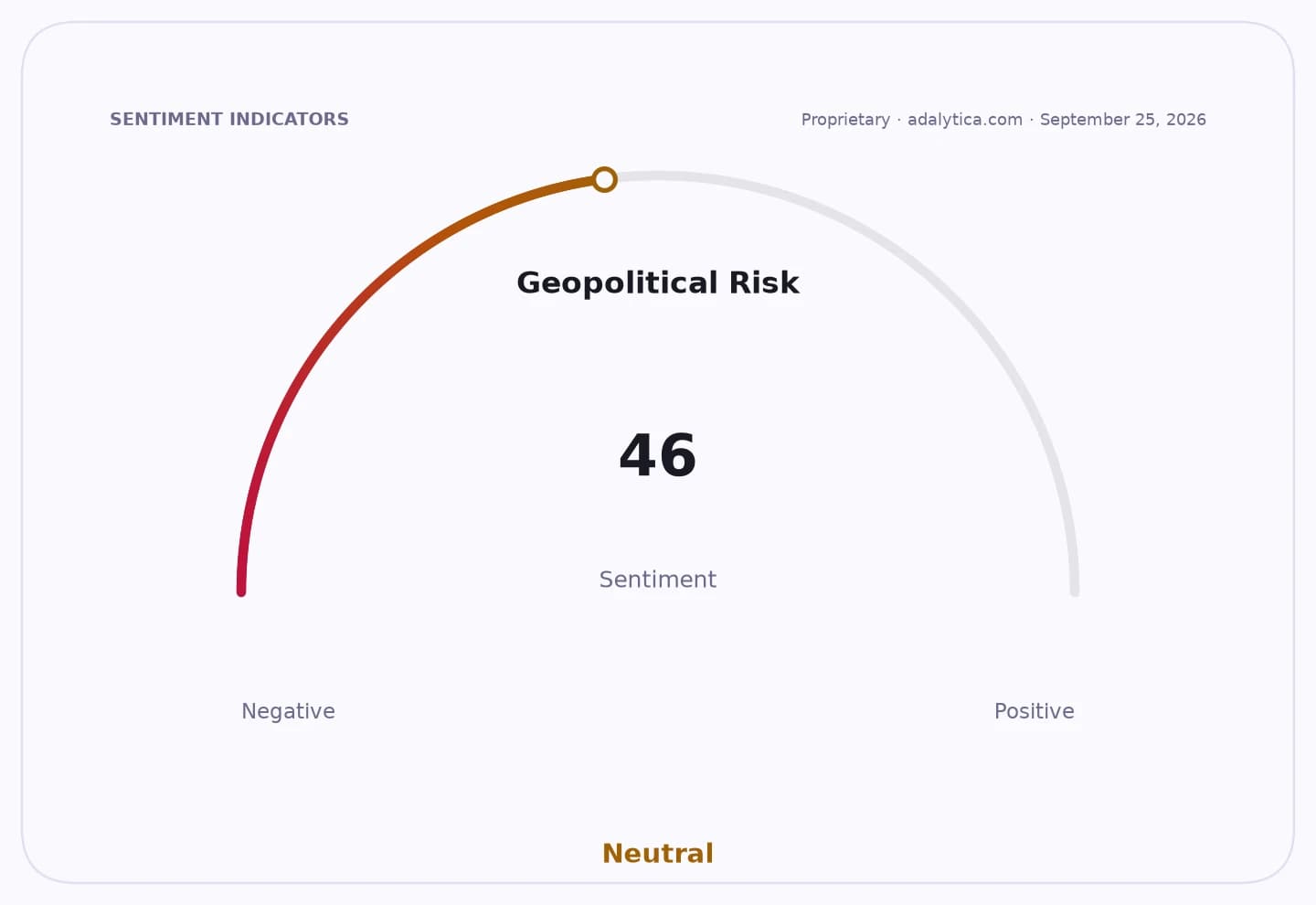
Sentiment IndicatorsⓘProprietary · adalytica.com · September 20, 2026
This is a snapshot — live sentiment, awareness and momentum for 130+ markets update continuously in the dashboard.Open AlphaPulse
The immediate target list underscores how broad the pressure has become. Nestlé, Auchan and Leroy Merlin are no longer dealing only with sanctions, supply-chain disruption and reputational risk. They now face the possibility that assets built over decades can be confiscated in a matter of days if Moscow chooses to frame them as hostile. That is exactly the sort of tail risk the market tends to underprice until it shows up in headlines.
The economic logic is brutal. Russia is signaling that access to its market is no longer governed by commercial terms but by political alignment. That gives the Kremlin leverage over foreign companies still operating there, while also feeding a wider cycle of deglobalization that pushes multinationals to shorten supply chains, diversify manufacturing and write off stranded capital. It also hardens the split between Europe and Russia at a time when the war is already forcing governments to absorb higher defense spending, energy insecurity and weaker trade ties.
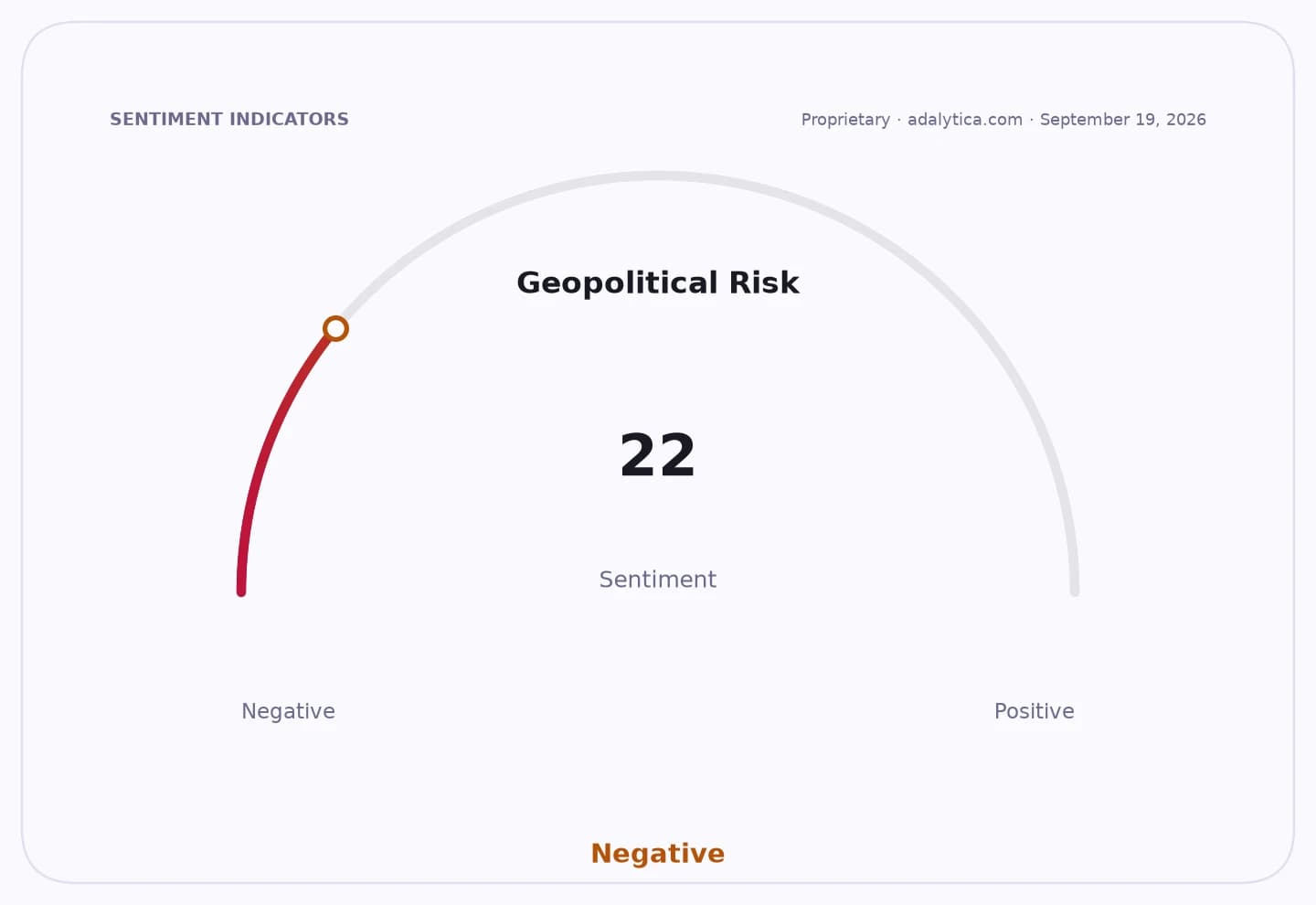
Geopolitical Risk — 30-day sentimentadalytica.com
Explore this data interactively — full history, time series and cross-market comparisons.Open AlphaPulse
For Nestlé investors, the headline risk is less about group earnings today than about the precedent it sets. Even if Russian operations were already a small part of the portfolio, asset seizure converts an operational nuisance into a capital-protection issue. That tends to show up in valuation through lower multiples, higher country risk premiums and greater pressure on management to exit any market where legal protections are no longer credible.
French names carry a similar overhang. The Kremlin’s willingness to target groups associated with Europe’s support for Ukraine reinforces the market’s view that corporate nationality now matters more than corporate neutrality. In practice, that can hit not only direct Russia exposure but also adjacent businesses across food, consumer goods, retail and industrial supply chains that still rely on cross-border trade or local subsidiaries in sanctioned jurisdictions.
The broader implication is that Europe’s listed multinationals are entering a new phase of geopolitical sorting. Winners will be companies with limited Russia exposure, diversified manufacturing footprints and strong pricing power. Losers are the businesses with legacy assets in exposed markets, thin margins and large fixed capital bases that cannot be redeployed quickly. The market underestimates how much value can be destroyed when state power overrides shareholder rights.
Adalytica’s Global Stability Sentiment has swung sharply lower in recent sessions, a reminder that geopolitical risk is no longer a background variable but a live market driver. When that kind of instability rises, investors should favor defense, cybersecurity, energy infrastructure and suppliers to reshoring and supply-chain duplication over brands still carrying stranded assets in hostile jurisdictions.
The takeaway is simple: Russia’s latest seizures are not an isolated corporate dispute, but another milestone in the repricing of geopolitical risk. I believe investors should treat any remaining Russia-linked exposure in European consumer and industrial names as a shrinking asset with asymmetric downside, while looking for the real beneficiaries in companies that help the West rebuild resilient supply chains and harden strategic infrastructure.
| Entity | Gains | Losses |
|---|---|---|
| Russian state | ▲Control over seized assets | ▼Foreign investor trust |
| Nestlé | ▲Limited chance of exit repricing | ▼Russian subsidiary value |
| French groups | ▲May accelerate de-risking | ▼Asset security in Russia |
| Defense and infrastructure stocks | ▲Higher geopolitical demand | ▼None directly |