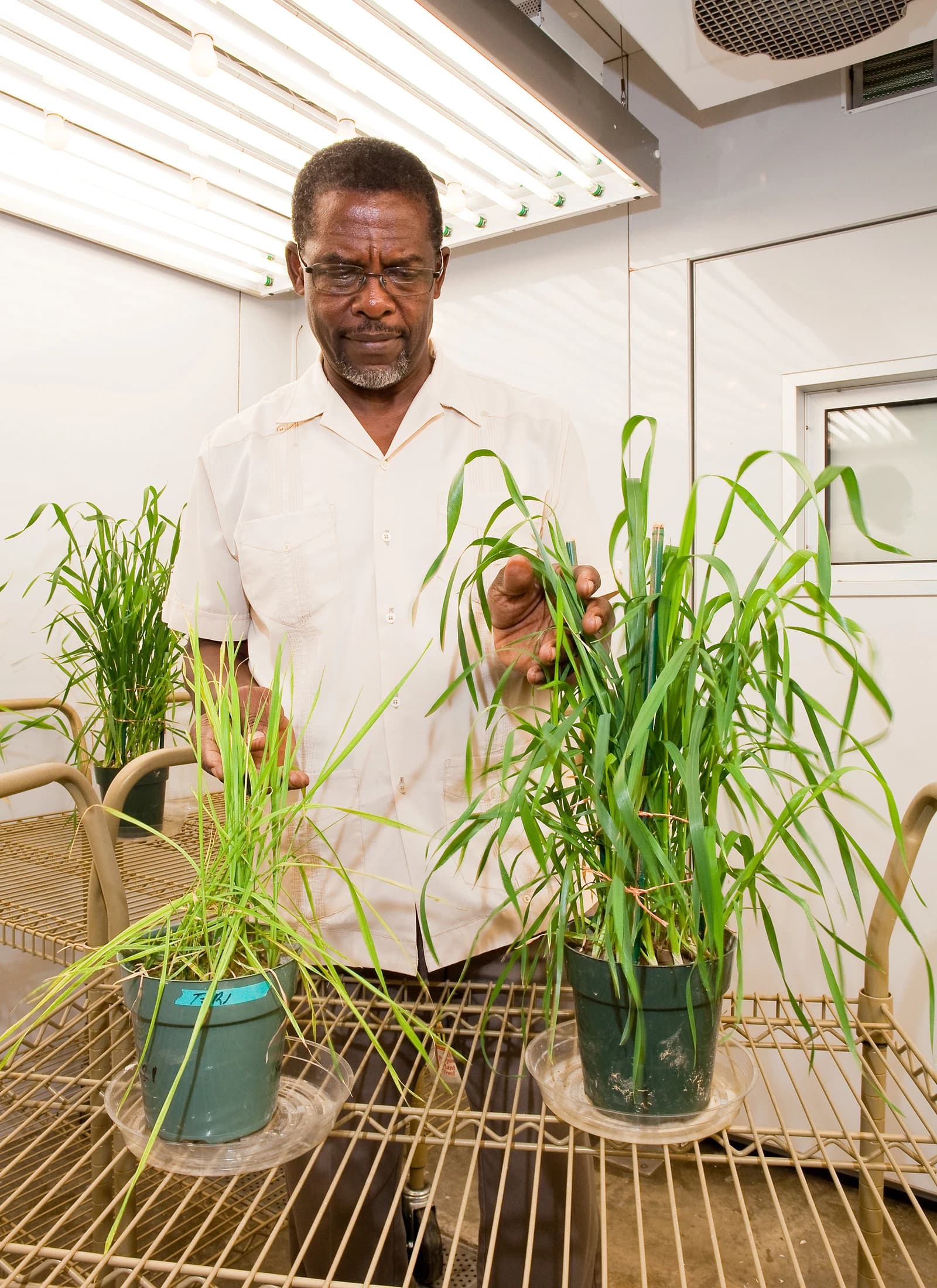
St. Petersburg scientists have developed a pre-sowing treatment for soft wheat seeds that they say can boost yields by more than 1.5 times while also reducing crop disease, a potential step toward higher grain output with less chemical use.
Russia wheat seed treatment boosts yields
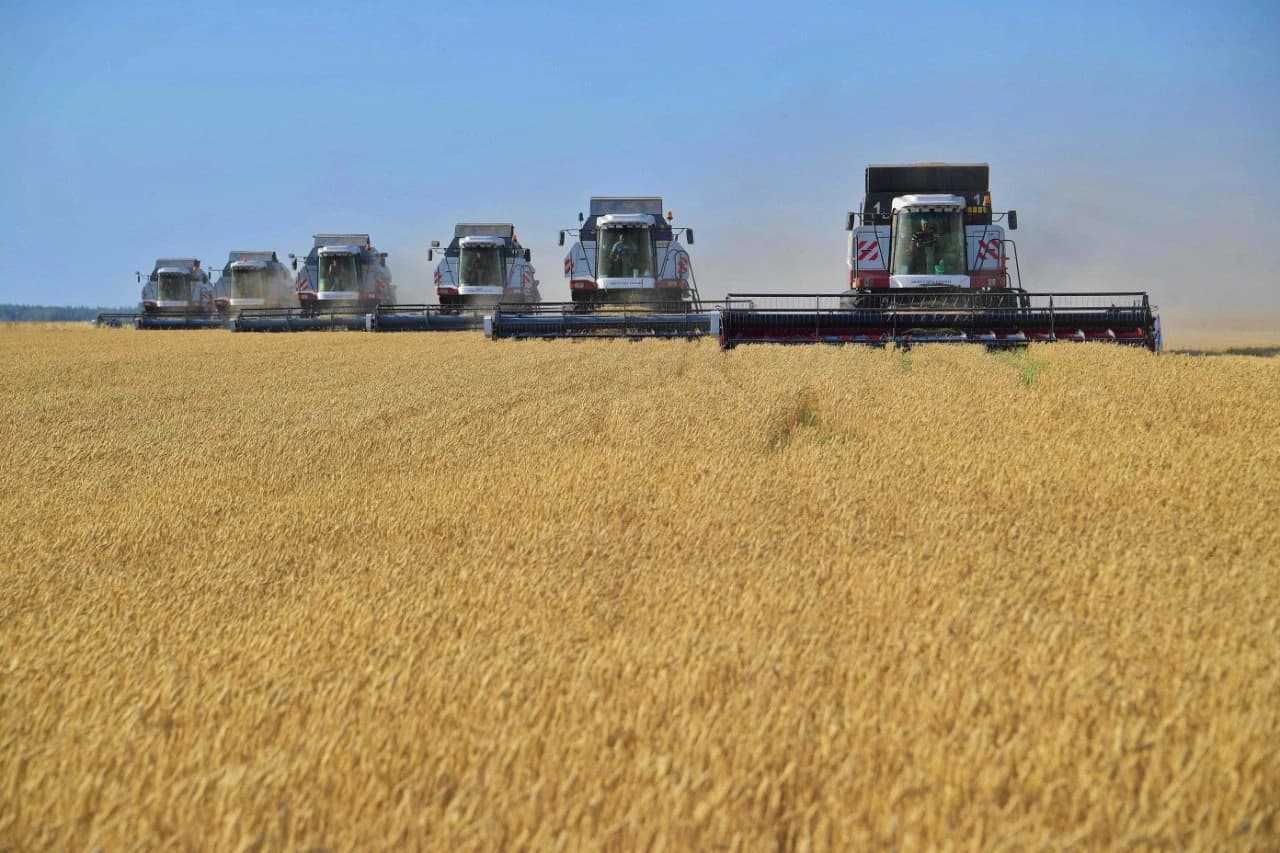
The work matters because wheat remains a strategic crop for food inflation, export earnings and land use efficiency. A treatment that raises productivity without requiring a bigger acreage footprint could help farmers lift output in climates where weather stress and disease pressure already squeeze margins.
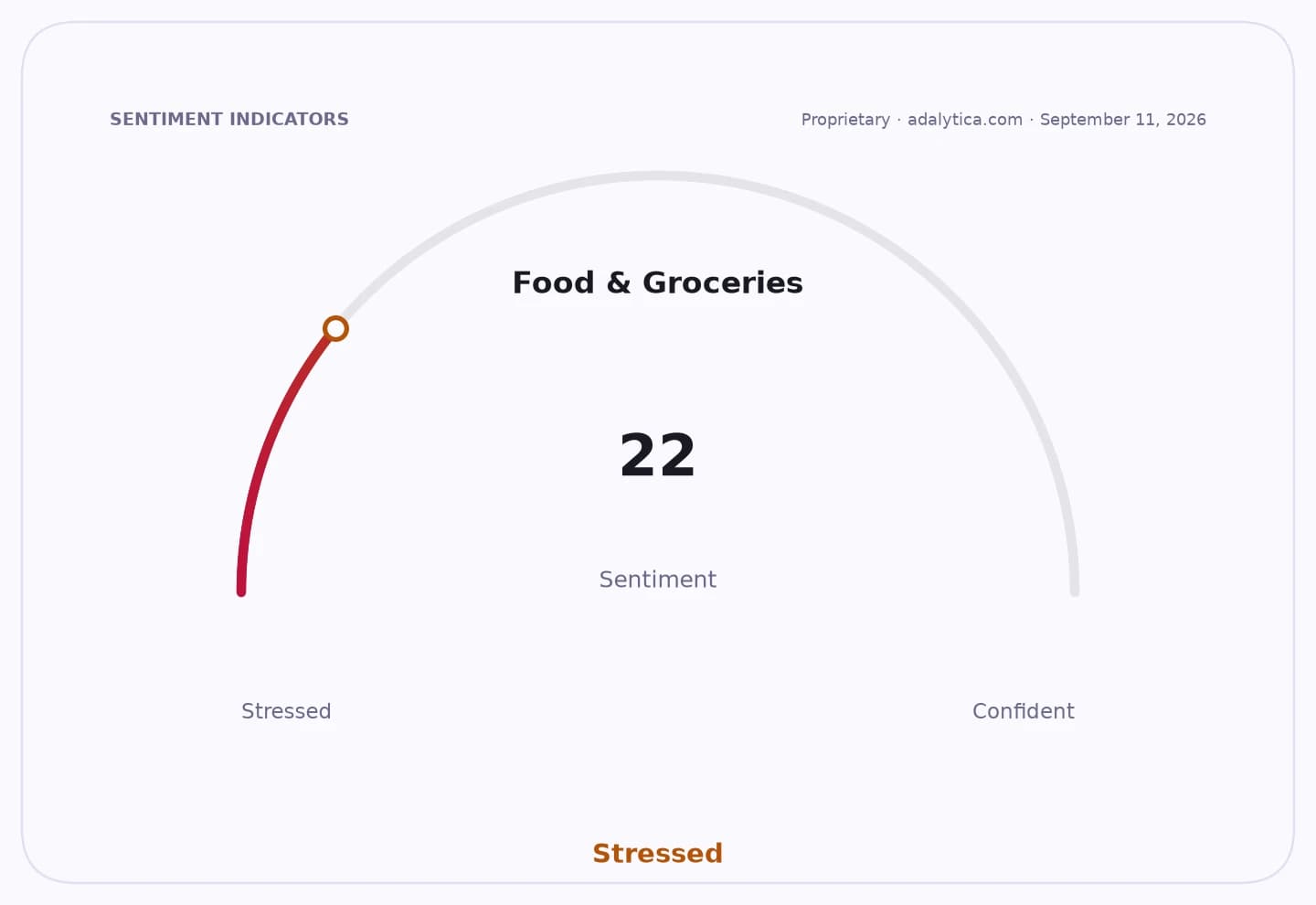
Sentiment IndicatorsⓘProprietary · adalytica.com · September 18, 2026
This is a snapshot — live sentiment, awareness and momentum for 130+ markets update continuously in the dashboard.Open AlphaPulse
Researchers at St. Petersburg State Agrarian University, working with colleagues from St. Petersburg State University, Peter the Great St. Petersburg Polytechnic University, ITMO University and the Vavilov Institute, tested seed treatment with chitosan and glyoxal on soft wheat. The most effective method was a sequential process in which seeds were first placed in a chitosan solution, dried, and then treated with an aqueous glyoxal solution.
The university said the approach improved not only agronomic traits but also phytopathological indicators, lowering the risk of dangerous plant diseases. In a second method, seeds were placed directly in a mixed solution of chitosan and glyoxal for 10 minutes before drying.
Chitosan, derived from chitin, is used as an environmentally friendly polymer to protect plants from bacteria, fungal pathogens and viruses. Glyoxal is used in agriculture as an antibacterial agent. Together, the compounds are being positioned as part of a broader push to cut pesticide use and reduce chemical load on soils.
The finding is especially relevant for Russia’s northwestern region, where the experiments were designed to improve soft wheat resilience under difficult climate conditions. If the results hold in larger-scale field trials, the technology could appeal to growers looking to protect yields as weather volatility and input costs remain elevated.
The study was published in Applied Biochemistry and Microbiology. The next test for investors and agribusinesses is whether the treatment can be scaled into commercial seed protocols and replicated across different wheat varieties and growing regions.
| Entity | Gains | Losses |
|---|---|---|
| Wheat farmers | ▲Higher yields, lower disease risk | ▼Less need for acreage expansion |
| Seed-treatment developers | ▲Commercial validation, adoption potential | ▼Longer path to scale-up |
| Pesticide suppliers | ▲— | ▼Potentially lower product demand |
| Grain buyers / consumers | ▲More supply, lower price pressure | ▼— |