Spending at large shopping centers in European Russia is moving toward groceries and alcohol, a sign that consumers are pulling back on discretionary purchases and pressuring mall landlords already facing thinner rents.
Russian malls see spending shift to groceries
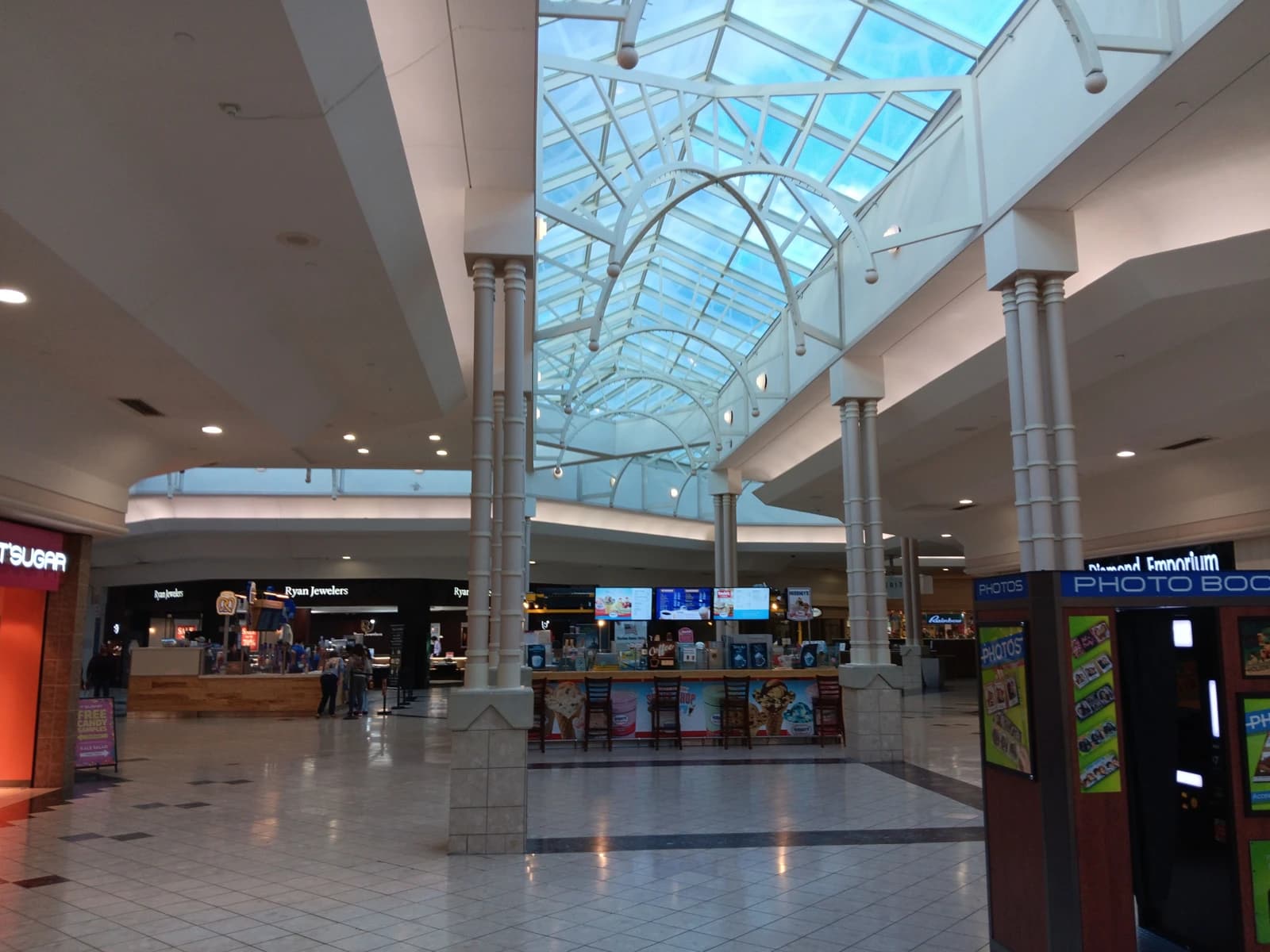
The share of visitor spending on food and alcohol rose to 24% in January-August from 22% a year earlier, according to UMC “Sampa,” which manages Sber-backed malls and based its calculations on object data and SberIndex analytics. In Moscow, the category climbed to 20% from 18%.

The shift is coming at the expense of non-food retailers, where spending fell to 5% from 8% across European Russia’s mall network, while food service slipped to 6% from 7%. That pattern points to weaker purchasing power and a more defensive consumer, with households prioritizing essentials over clothing, electronics and other higher-margin categories.
The broader data reinforce that picture. Rosstat showed Russian urban residents spending 32.1% of income on food in the first quarter of 2026, up from 32% a year earlier, while outlays on utilities rose and spending on non-food goods eased. CMWP said food retail turnover in shopping centers rose 4% to 6% in the first half of 2026, while beauty and health stores, children’s goods, and electronics posted declines.
For mall owners, that mix is problematic because food tenants typically pay much lower rents than apparel and footwear chains. Pavel Lyulin, president of the Association of Shopping Centers and Retail Experts, said grocery hypermarkets usually pay 1.5% to 3% of turnover, versus 8% to 15% for other stores and 20% to 25% for small units. He said large centers depend on fashion and footwear for rental income.
The pressure matters for investors in Russian retail property because it limits the ability of landlords to defend occupancy income by simply adding more supermarkets. Food chains are optimizing rather than expanding, and the fastest-growing formats — discount stores and neighborhood shops — usually do not fit large malls. Industry executives said landlords may instead try to expand prepared food, specialty concepts and smaller-format offerings.
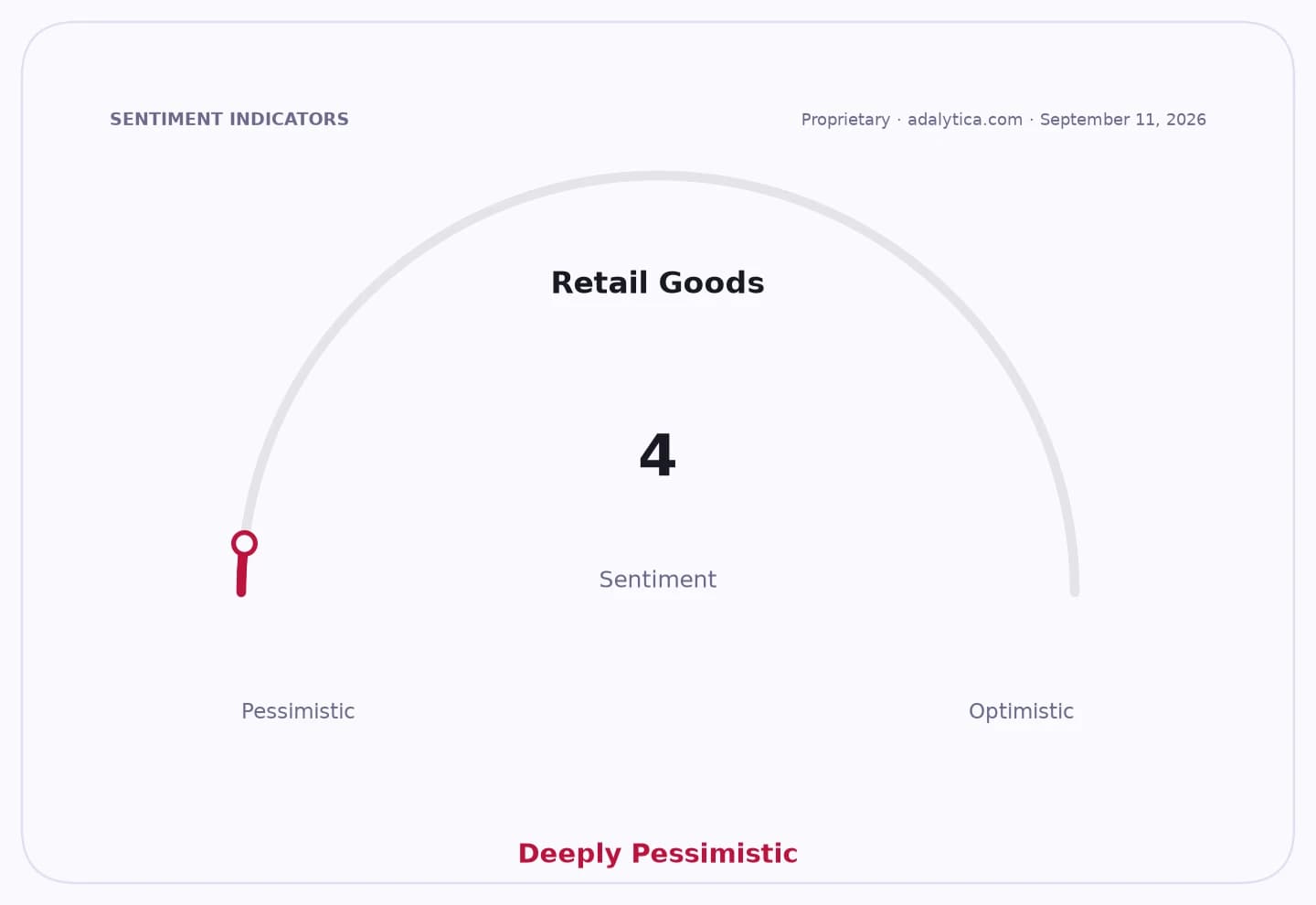
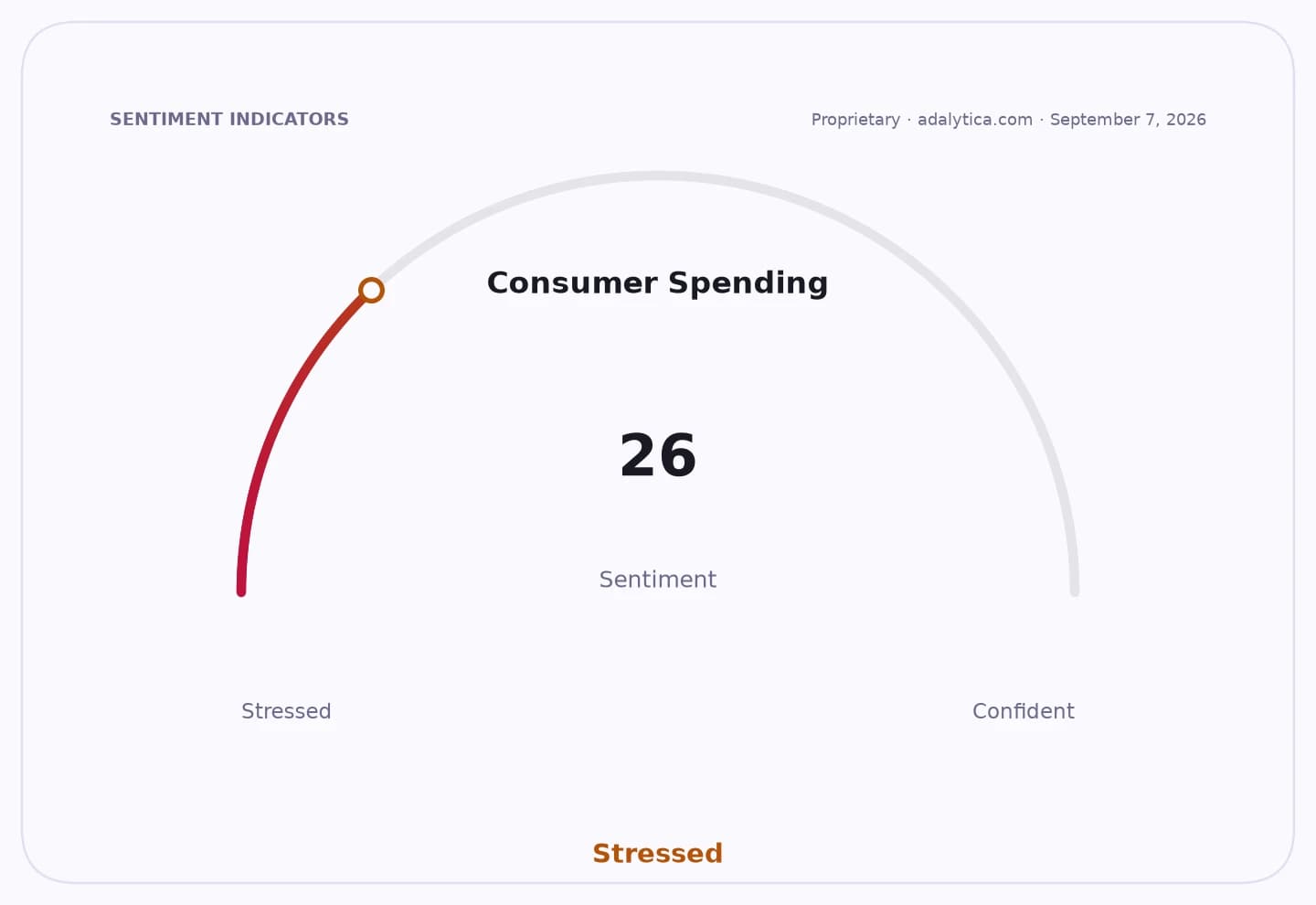
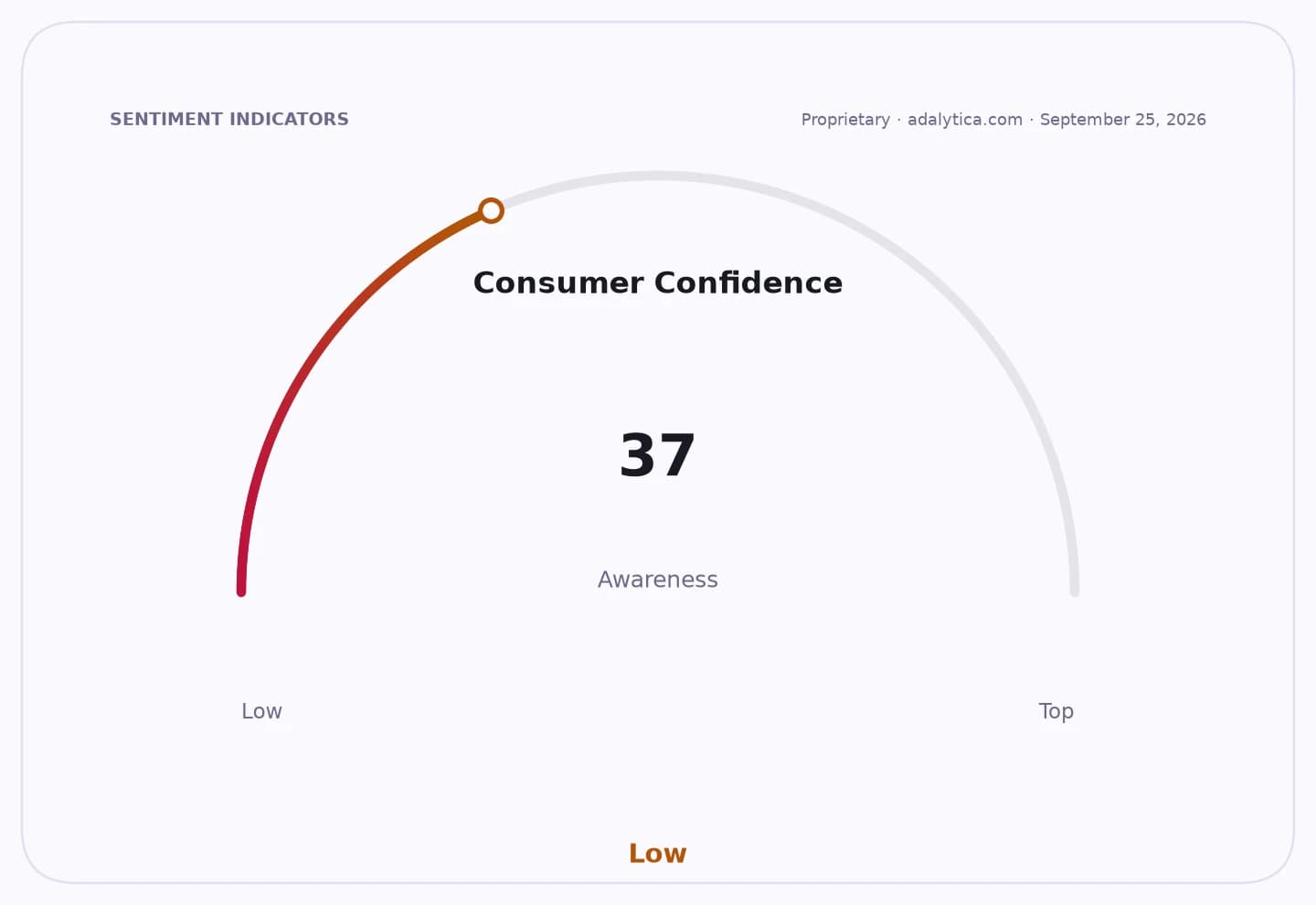
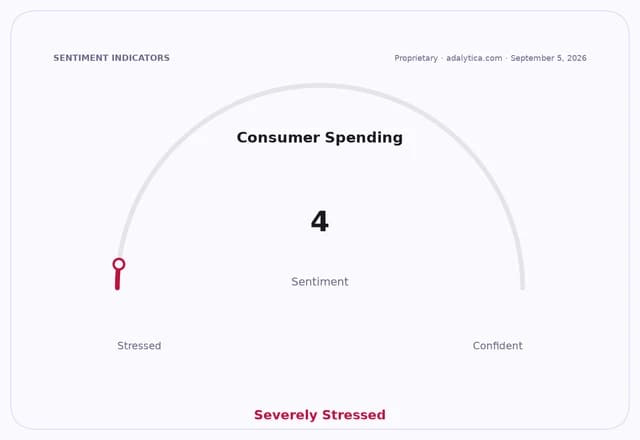
Adalytica’s consumer spending sentiment tracker is flashing extreme fear, while retail goods spending sentiment remains in fear territory, underscoring the defensive backdrop for discretionary retail.
The next test for mall owners will be whether they can replace lost fashion and electronics traffic with concepts that still draw shoppers into galleries, or whether the income mix keeps shifting toward lower-rent essentials.
| Entity | Gains | Losses |
|---|---|---|
| Grocery and alcohol tenants | ▲Higher mall spending share | ▼Limited rent growth |
| Mall landlords | ▲More foot traffic potential | ▼Lower rental yields |
| Apparel, electronics and other discretionary retailers | ▲— | ▼Weaker sales and traffic |
| Consumers buying essentials | ▲Better access to basic goods | ▼Less room for non-essential spending |