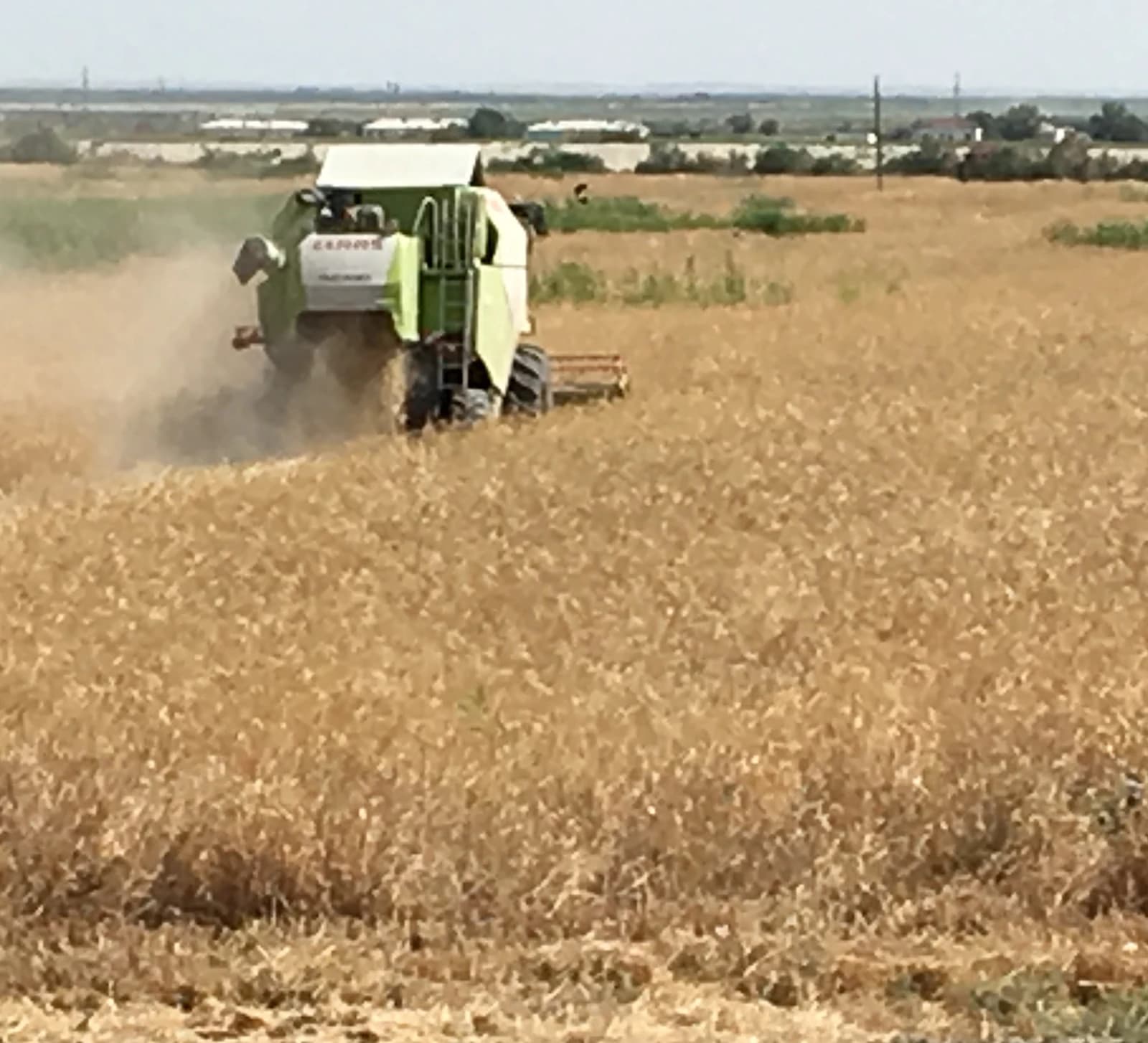
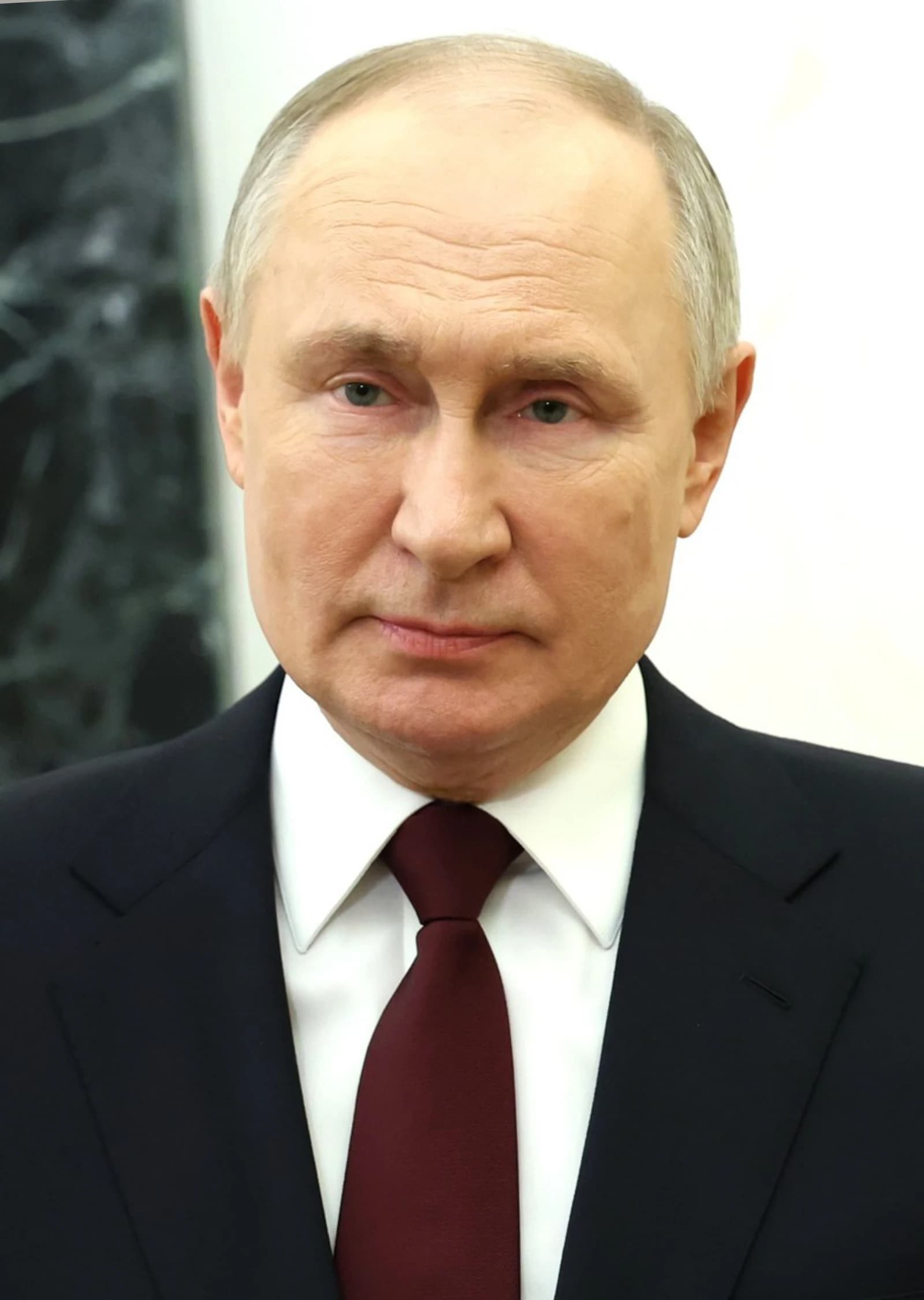
Russian wheat export prices rose last week after the Xi-Putin summit in China briefly stoked buying interest, giving traders a reminder that geopolitics can still move grain markets even when the bigger supply picture looks comfortable.
Russian Wheat Prices Rise After Xi-Putin Summit
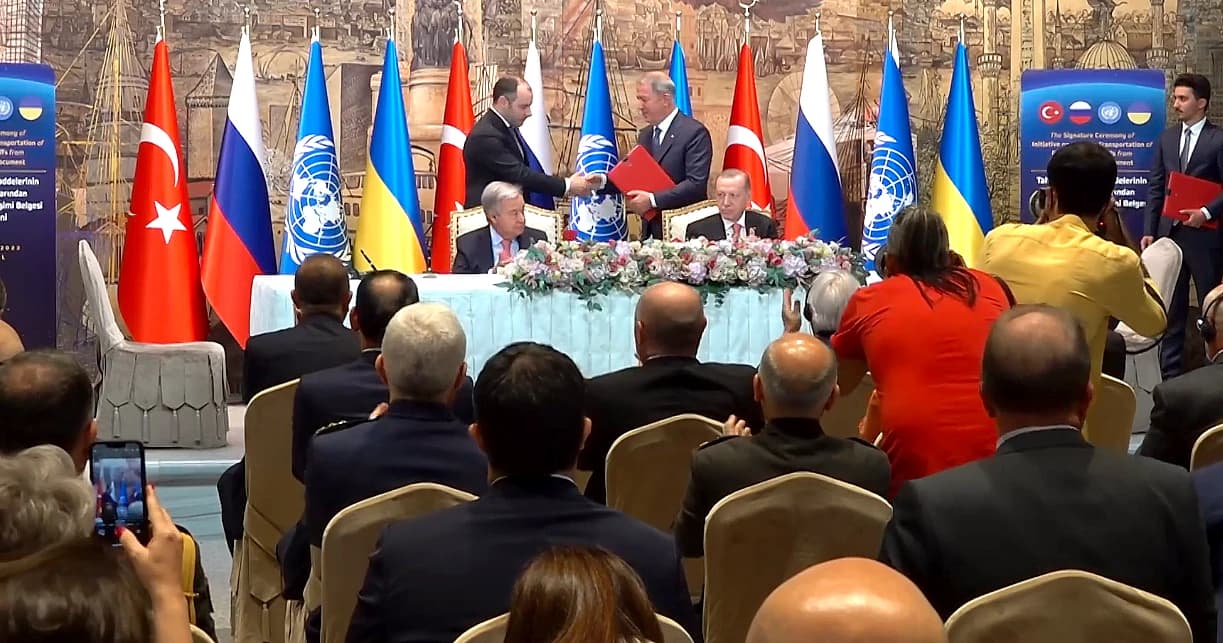
Black Sea wheat priced at $246 a ton FOB for 12.5% protein cargoes loading from Vysotsk and Ust-Luga, up $3 from the prior week, according to consultancy IKAR. The increase was tied to a short-lived pickup in demand after the meeting in Shenzhen involving Russian President Vladimir Putin, Chinese President Xi Jinping and former U.S. President Donald Trump, according to market analysts.
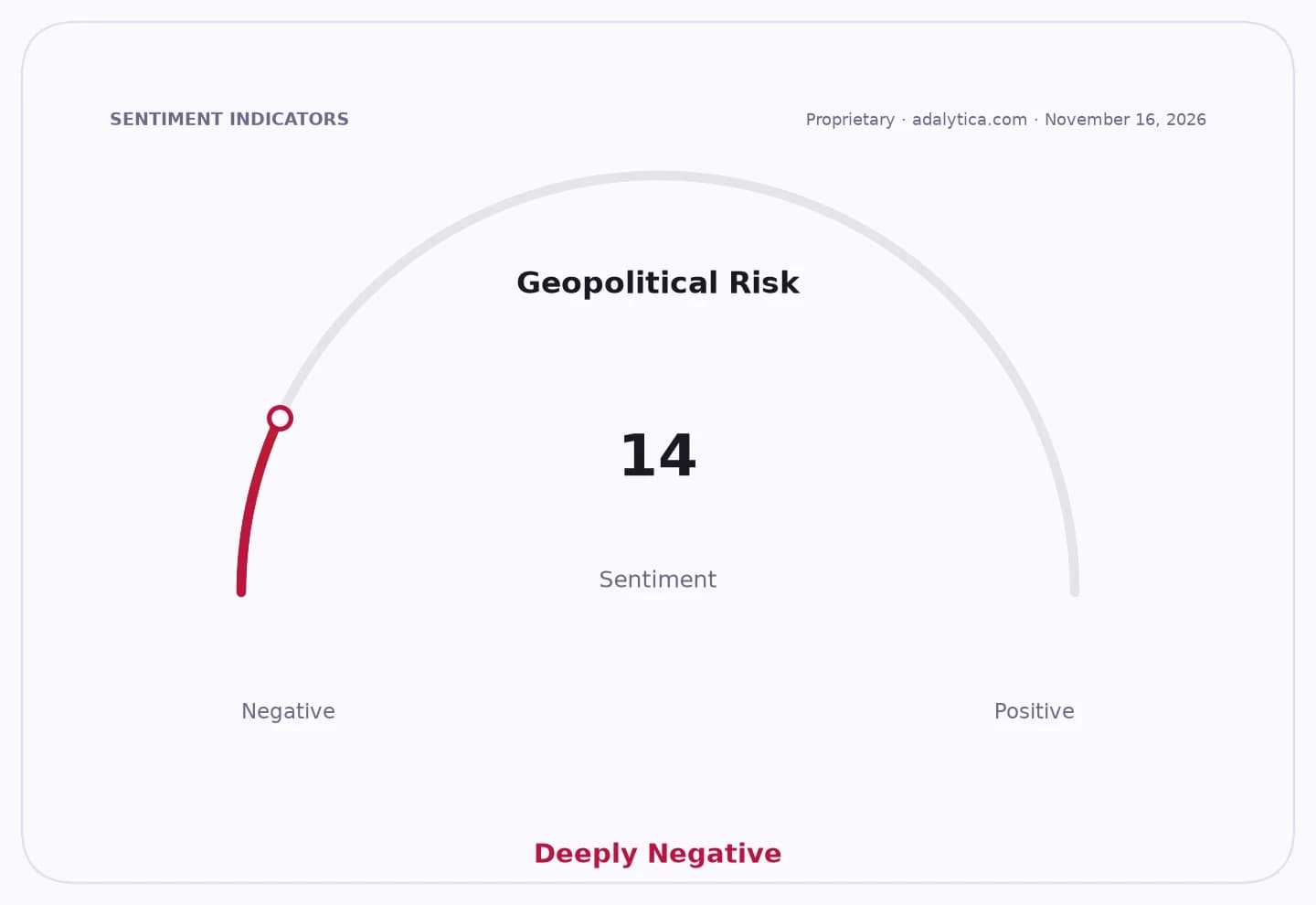
Sentiment Indicators
For investors, the significance is less about the size of the move than the message behind it: Russian wheat remains a geopolitical asset as much as a commodity. When the market senses tighter diplomacy, trade rerouting or supply risk in the Black Sea, prices can firm quickly because Russia remains one of the dominant global exporters. That makes wheat a lever not just on food inflation, but on freight, margins for importers and the earnings power of grain merchants and agribusinesses exposed to export flows.
Still, the rally looks tactical rather than structural. SovEcon said the summit did not produce progress on the war in Ukraine, and the joint statement did not mention the conflict. Putin also signaled Moscow would no longer consider a pause in strikes on Black Sea or energy infrastructure after Ukrainian attacks on the Crimea bridge, underscoring that the conflict remains a live risk for grain logistics.
The supply side is also preventing a bigger price break. Northern Russian ports have expanded transshipment capacity to 32 million tons from 8.6 million tons previously, while the possibility of extending river navigation through the Volga-Baltic waterway is supporting exports. That means Russia can keep moving wheat even as politics stay volatile, limiting the odds of a sustained price spike.
Even so, the market is not pricing a boom. IKAR expects Russian wheat exports to ease to 2.7 million tons to 2.9 million tons in November from 3.1 million tons in October, while SovEcon kept its estimate at 2.7 million tons versus 2.9 million tons the month before. That suggests the near-term story is a modest firmness in prices, not a supply shock.
For investors, the trade is straightforward: geopolitical headlines can still generate opportunity in wheat, but the more durable beneficiaries are the logistics and export infrastructure players positioned to keep Russian grain moving. The market may be underestimating how often Black Sea risk can reprice agri assets in bursts, even when the longer-term trend remains rangebound.
| Entity | Gains | Losses |
|---|---|---|
| Russian wheat exporters | ▲Firmer FOB prices | ▼Limited by soft export volumes |
| Grain traders/logistics firms | ▲More volatile flow demand | ▼Higher geopolitical risk |
| Wheat importers | ▲— | ▼Higher sourcing costs |
| Agribusiness ETFs/WEAT holders | ▲Short-term price support | ▼No sustained supply shock yet |