Enterprises are moving away from break-fix Salesforce support and toward managed services as increasingly complex CRM environments, seasonal platform releases and AI-driven automation turn the system into a constant operating burden rather than a one-time IT project.
Salesforce Enterprises Shift to Managed Services

The shift matters because Salesforce often sits at the center of sales forecasting, customer service, distributor management and back-office integrations. When workflows fail or data gets stale, the damage shows up in missed revenue, poor customer experience and higher operating costs — not just in a bigger support queue.
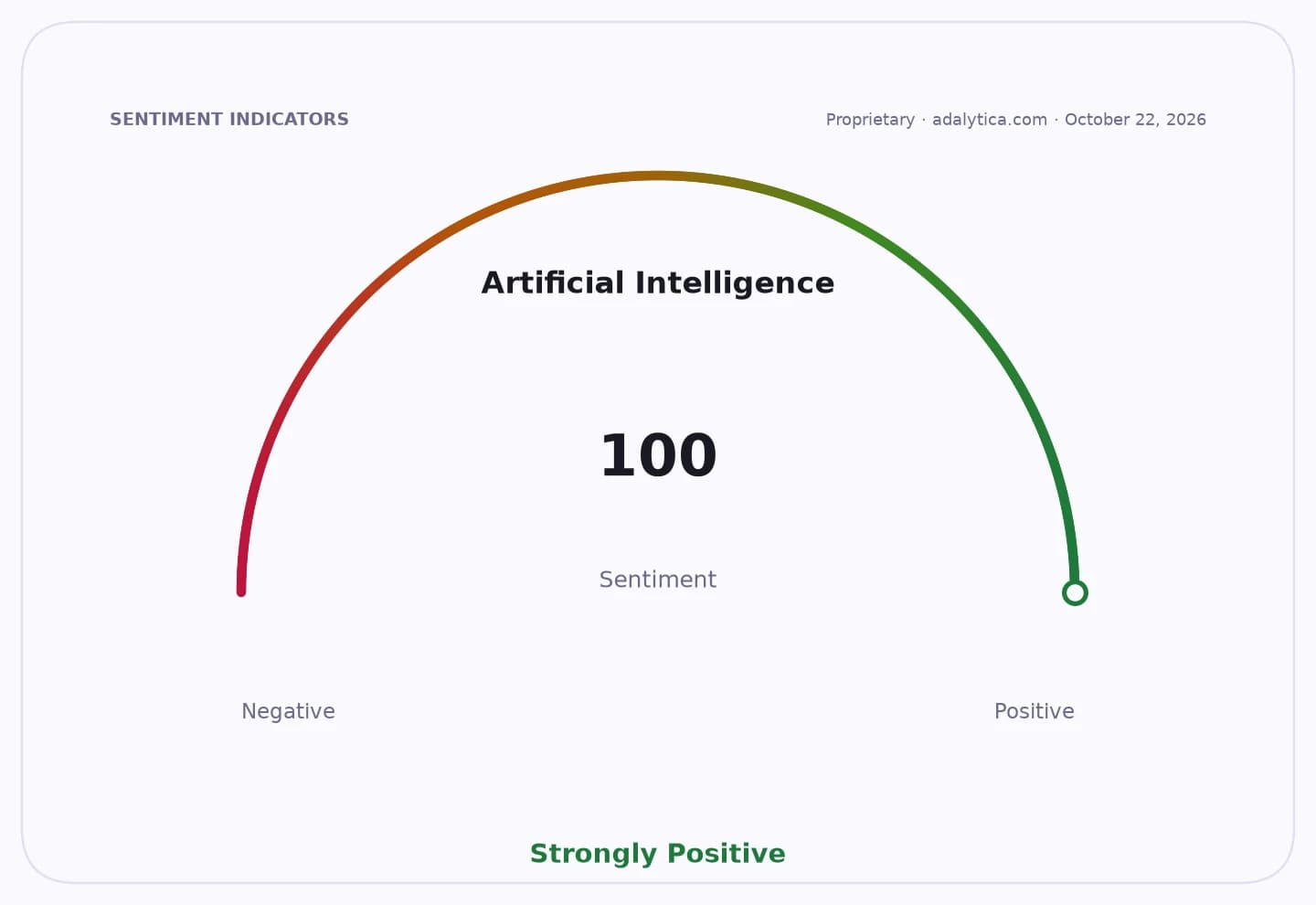
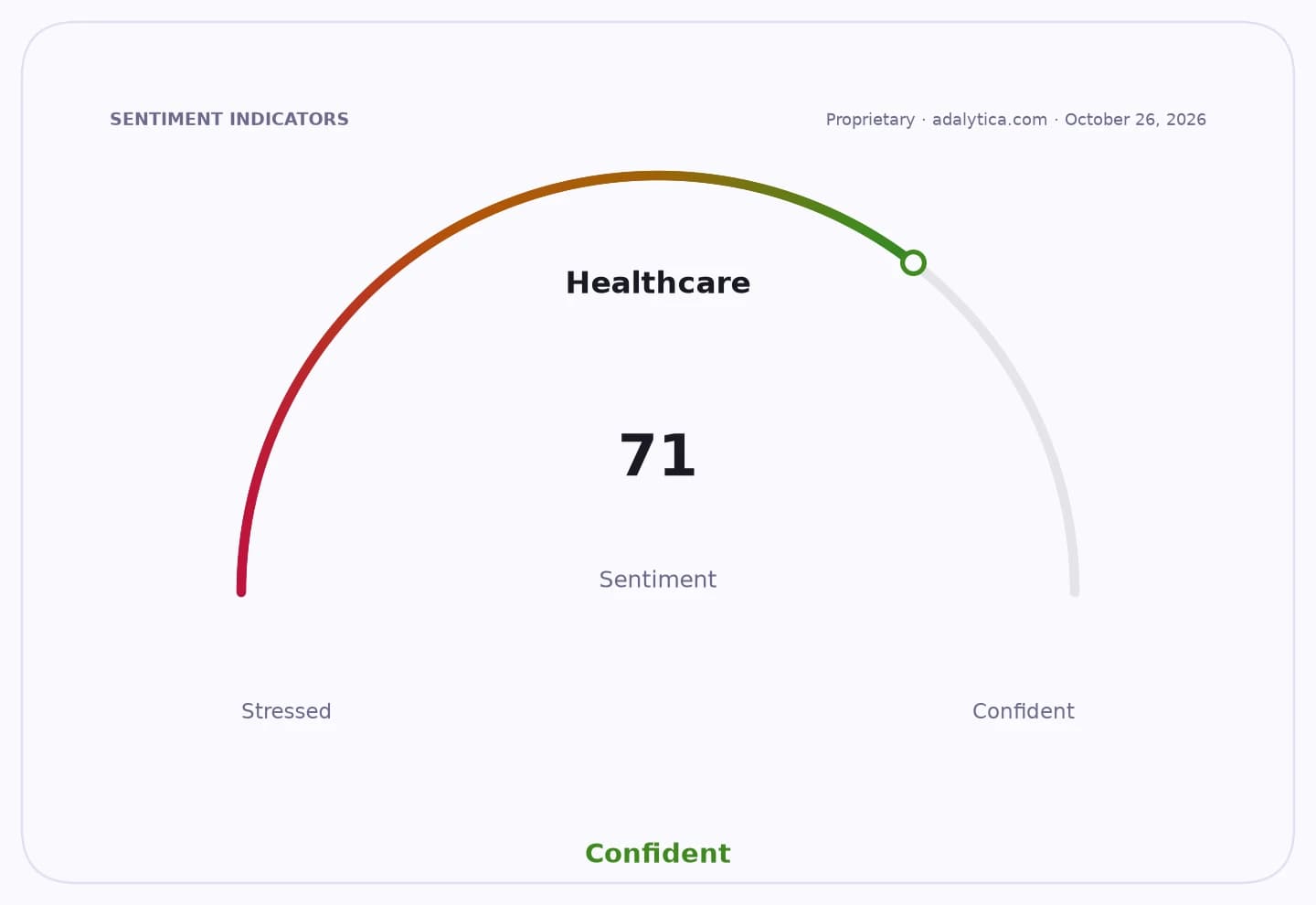
Sentiment Indicators
Managed services aim to catch problems before employees do, with monitoring, release testing, security reviews and workflow optimization replacing a model that waits for tickets to be filed. The appeal is strongest for large enterprises with multiple business units and third-party integrations, where even a small outage or reporting error can ripple across operations.
That makes the market for support increasingly about measurable business outcomes, not ticket volume. VALiNTRY360 said a Salesforce program for clinical trial tech company TrialSpark cut time to resolve study-related support tickets by 77%, saved 20 hours per new participant and helped support 85% patient engagement in the first month of deployment, though those results were tied to implementation and integration work rather than a managed-services contract.
The trend also intersects with the push to deploy Salesforce Agentforce, Einstein and other AI tools. Those systems depend on clean data, correct permissions and stable automation, raising the bar for governance and ongoing oversight. In practice, that means managed-services providers are being asked to support AI lifecycles, not just maintain CRM configuration.
The backdrop is favorable for large IT services firms that already sell recurring support. Accenture’s latest filing said managed services revenue rose 8% in U.S. dollars in fiscal 2026, while IBM reported software ARR of $24.9 billion, up about $2 billion year over year, underscoring how recurring enterprise services remain a priority even as discretionary spending stays uneven.
For investors, the message is that Salesforce-related spending is shifting from lumpy implementation work toward stickier maintenance and optimization contracts. That can support revenue visibility for services providers, but it also raises expectations that they prove productivity gains, integration reliability and AI readiness — not just lower support costs.
| Entity | Gains | Losses |
|---|---|---|
| Salesforce managed-service providers | ▲Stickier recurring revenue | ▼Pressure to prove outcomes |
| Enterprises using Salesforce | ▲Better uptime and governance | ▼Higher ongoing support spend |
| Accenture, IBM | ▲More recurring services demand | ▼Weaker one-off project mix |
| Salesforce admins on reactive support | ▲Less firefighting | ▼More automation and oversight pressure |