Megazone Cloud and Business On are broadening a bundled SAP cloud ERP offering in a move that underscores how enterprise software vendors are trying to make cloud migration faster, cheaper and easier for mid-sized and large companies.
Megazone Cloud, Business On expand SAP cloud ERP bundle

The partnership matters because cloud ERP adoption has often stalled on implementation complexity, not on lack of interest. By combining Megazone Cloud’s deployment and operating capabilities with Business On’s electronic invoicing, accounting, tax filing and payment tools, the two companies are pushing a more integrated model aimed at cutting the time and cost of putting SAP’s Public Cloud into production.
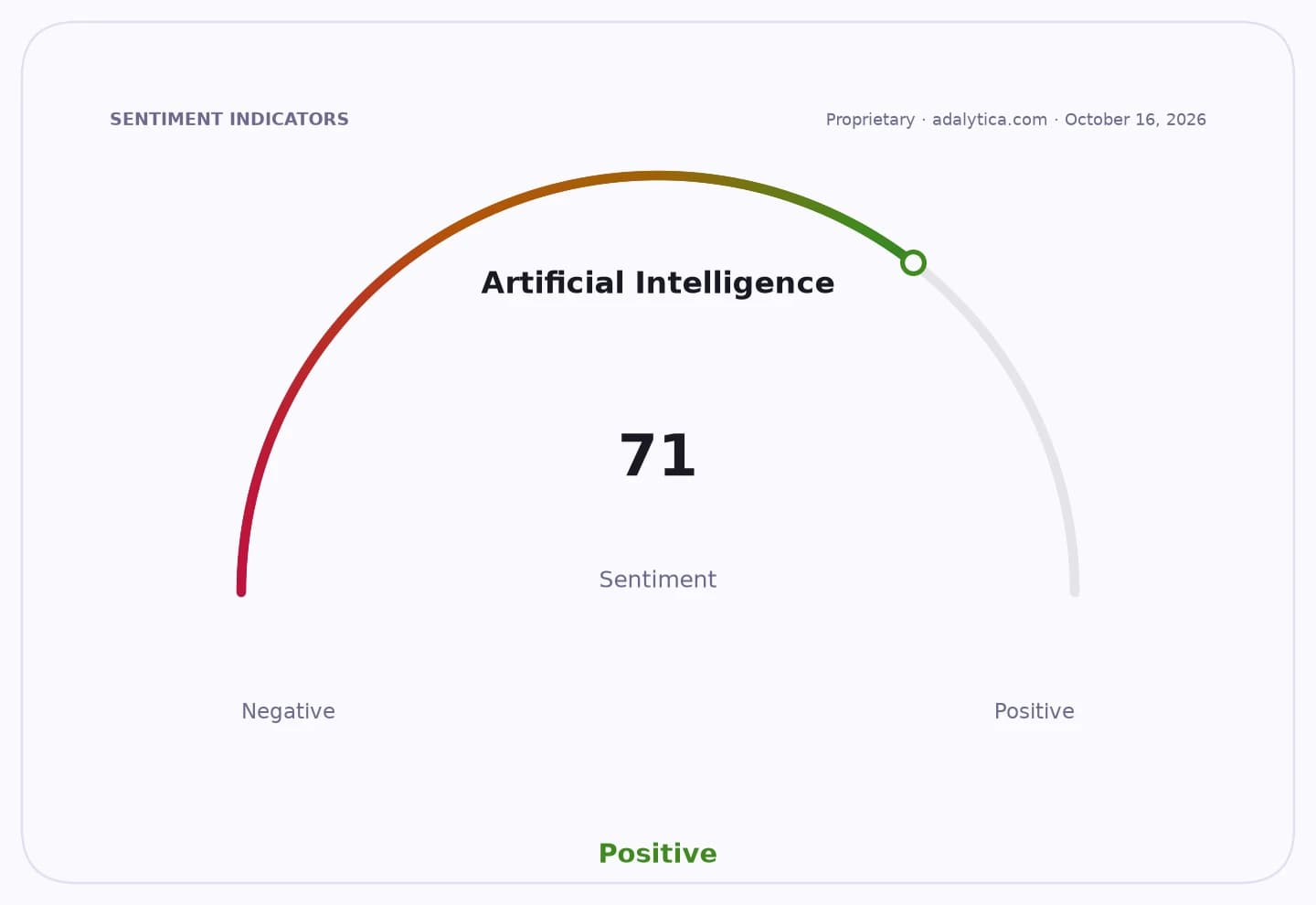
Sentiment IndicatorsⓘProprietary · adalytica.com · October 14, 2026
This is a snapshot — live sentiment, awareness and momentum for 130+ markets update continuously in the dashboard.Open AlphaPulse
The companies said they have already completed co-development of the “MZC SAP Cloud ERP ONE Package,” a standardized suite that links core ERP workflows with groupware, electronic approvals, e-accounting, VAT filing, electronic tax invoices and bank payment functions. That matters economically because it reduces the need for customers to stitch together multiple systems after an ERP rollout, a process that often drives up project costs, delays adoption and makes digital transformation harder for finance departments to justify.
For SAP, the expansion supports a broader push into cloud ERP at a time when enterprise buyers are demanding more turnkey packages rather than standalone software modules. The package is designed around SAP’s standard processes and is intended to scale as a company grows or changes its operating structure. The partners also said they will support system stabilization and ongoing operations after installation, and plan future extensions through SAP’s Business Technology Platform that could connect cloud and AI services.
The commercial logic is clear. A more complete bundle can improve conversion rates for cloud ERP projects by lowering implementation friction, while also creating more recurring services work for integrators and solution providers. For Korean companies, particularly those under pressure to modernize finance and compliance workflows, the pitch is faster deployment and less systems integration risk. For rivals in enterprise cloud software and implementation services, it raises the bar for one-stop offerings.
Investors may not view the announcement as a direct revenue catalyst on its own, but it reinforces the investment case for SAP’s cloud ecosystem and for partners that can capture implementation, operations and adjacent workflow revenue. The clearest beneficiaries are companies that can turn cloud ERP from a multi-vendor overhaul into a packaged deployment. The main risk is execution: customers still need to trust that a standardized template can handle industry-specific requirements without expensive customization.
The next test is whether the package can win enough reference customers to prove that bundled cloud ERP is not just easier to sell, but easier to run at scale. If it does, the model could become a template for SAP deployments beyond Korea and strengthen demand for integrated finance automation across enterprise software markets.
| Entity | Gains | Losses |
|---|---|---|
| Megazone Cloud | ▲More implementation work | ▼Less standalone sales complexity |
| Business On | ▲Broader software distribution | ▼Higher dependency on SAP ecosystem |
| SAP | ▲Stronger cloud ERP adoption | ▼Pressure to support partners more closely |
| Rival ERP integrators | ▲Potentially lose deals | ▼More competition from bundled offerings |