Samoa’s import bill is getting a welcome reprieve as a drop in mineral product prices drove a 2.0% quarterly decline in the country’s Import Price Index in the September 2026 quarter, a sign that lower commodity costs are starting to filter through to a small, trade-dependent economy.
Samoa import prices fell 2.0% in September quarter
That matters because import prices feed directly into household inflation, business costs and government spending in economies like Samoa, where a large share of essentials — from fuel to industrial inputs — arrives from abroad. A cheaper import basket can ease pressure on transport costs, support consumer purchasing power and give policymakers a little more room as they manage growth and price stability.
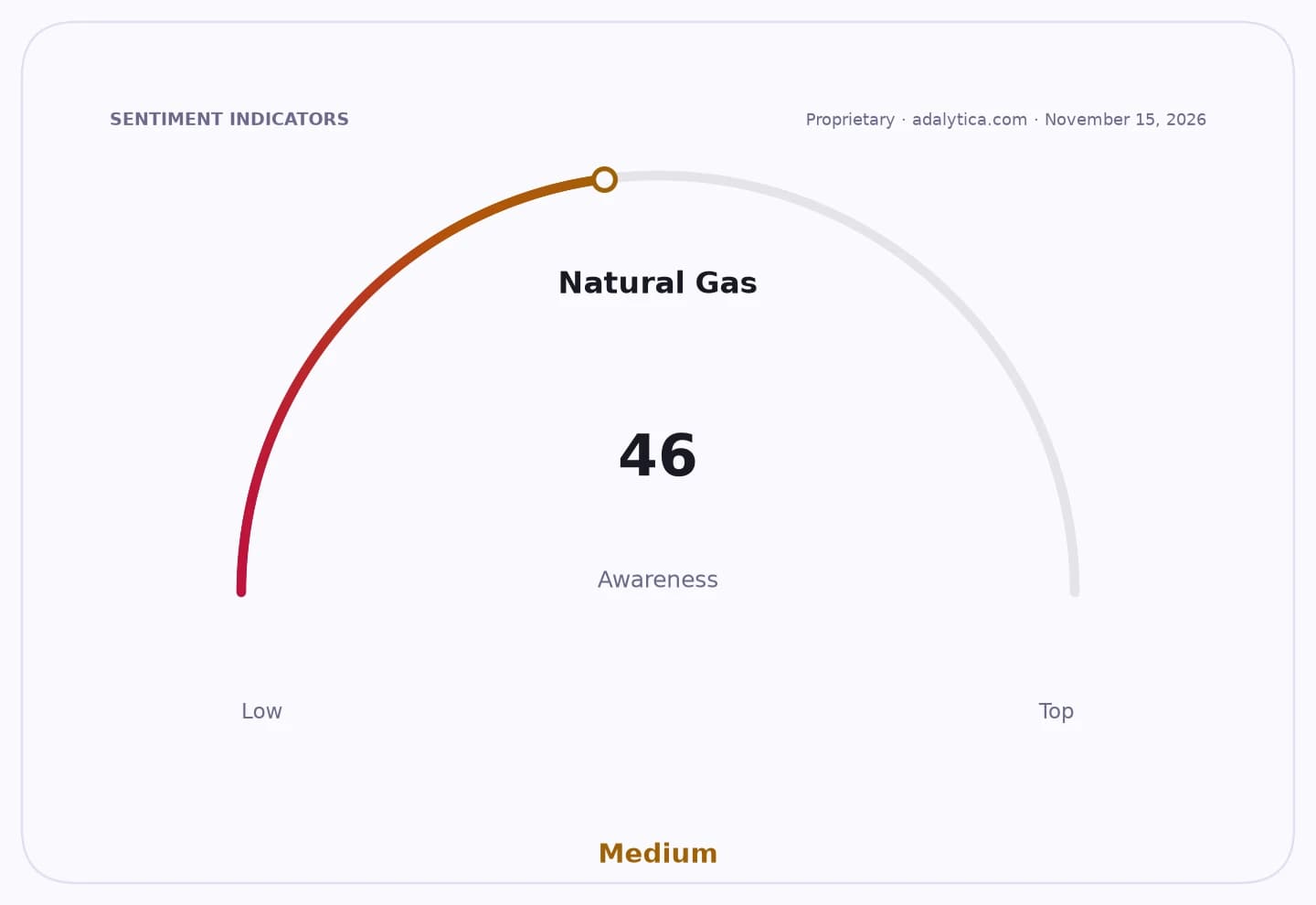
Sentiment Indicators
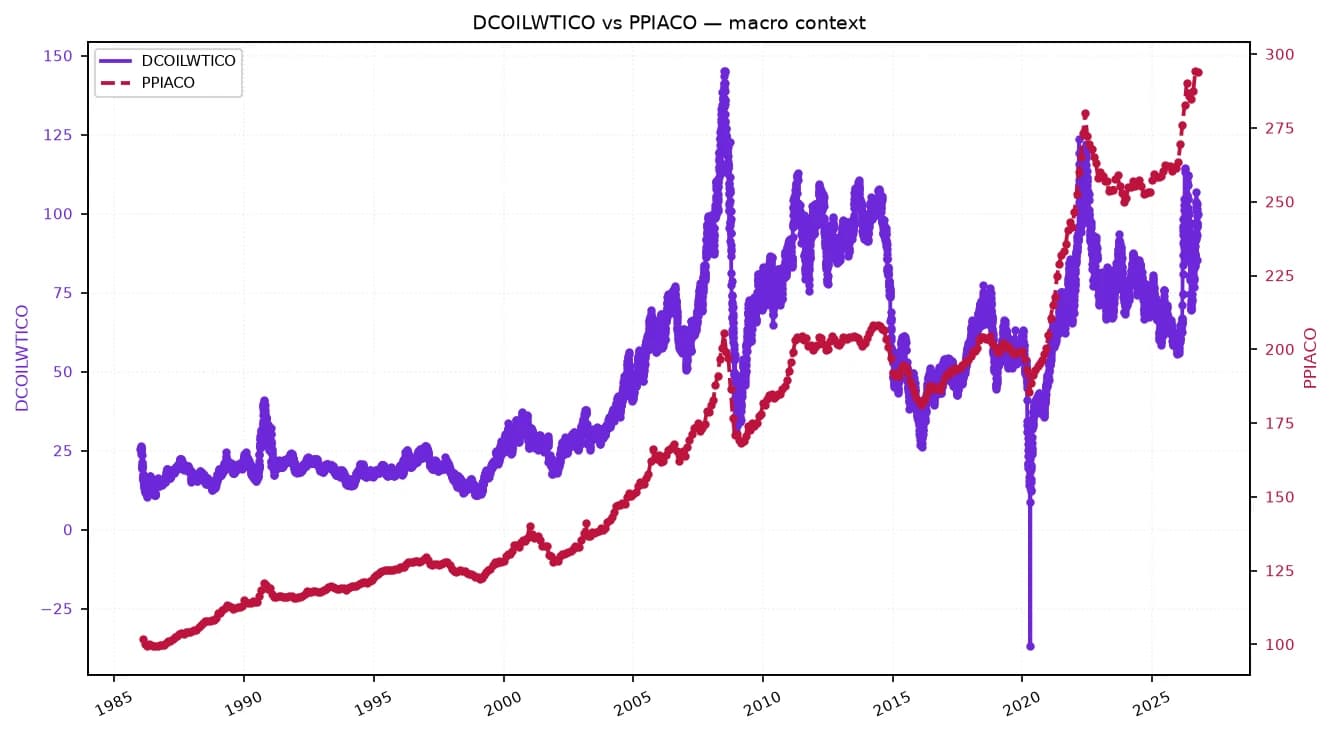
The latest move fits a broader global commodity backdrop that is still volatile but no longer uniformly inflationary. WTI crude has retreated from its earlier 2026 peaks, with the front-month contract around $86 a barrel and below its 50-day moving average, while Adalytica’s oil trade signals show neutral sentiment and “extreme fear” awareness, suggesting traders remain wary of supply shocks even as prices have eased. Energy remains the key swing factor for importers, especially in Pacific economies with limited domestic production and heavy reliance on shipped fuels.
For investors, the story is less about Samoa alone than about the second-order effects of softer mineral prices across the region. Lower import costs can improve current-account dynamics, reduce pressure on foreign exchange reserves and support local demand. That can be constructive for domestic banks, retailers and transport operators exposed to consumer spending, while acting as a modest headwind for exporters of energy and mineral products if the downtrend broadens.
The bigger message is that commodity disinflation, even when uneven, is still a powerful macro tailwind for importers. If mineral and energy prices stay contained, Samoa and similar economies could see a cleaner path for inflation, less strain on public finances and improved household real incomes. For now, the market should read this as early evidence that the import cost squeeze is easing, not as a one-off data point.
| Entity | Gains | Losses |
|---|---|---|
| Samoa households | ▲Lower living costs | ▼- |
| Samoa importers | ▲Cheaper input bills | ▼- |
| Domestic retailers/transport firms | ▲Better margins, stronger demand | ▼- |
| Mineral and energy exporters | ▲- | ▼Softer pricing power |