Sandals Royal Bahamian’s operator has won a legal victory that removes a long-running liability over an alleged assault at its Nassau resort, after a Bahamian Supreme Court judge threw out a U.S. couple’s case as time-barred under the country’s three-year personal injury limit.
Sandals Bahamas Case Dismissed on Time Bar

The ruling matters because it ends the case at the Supreme Court level without any finding on the substance of the assault allegations, while also affirming that resort operators can rely on Bahamian limitation law even when guests try to reframe injury claims as breach of contract. For hospitality groups and investors, that reduces the risk that older guest claims can linger for years and later turn into open-ended litigation and reputational overhangs.
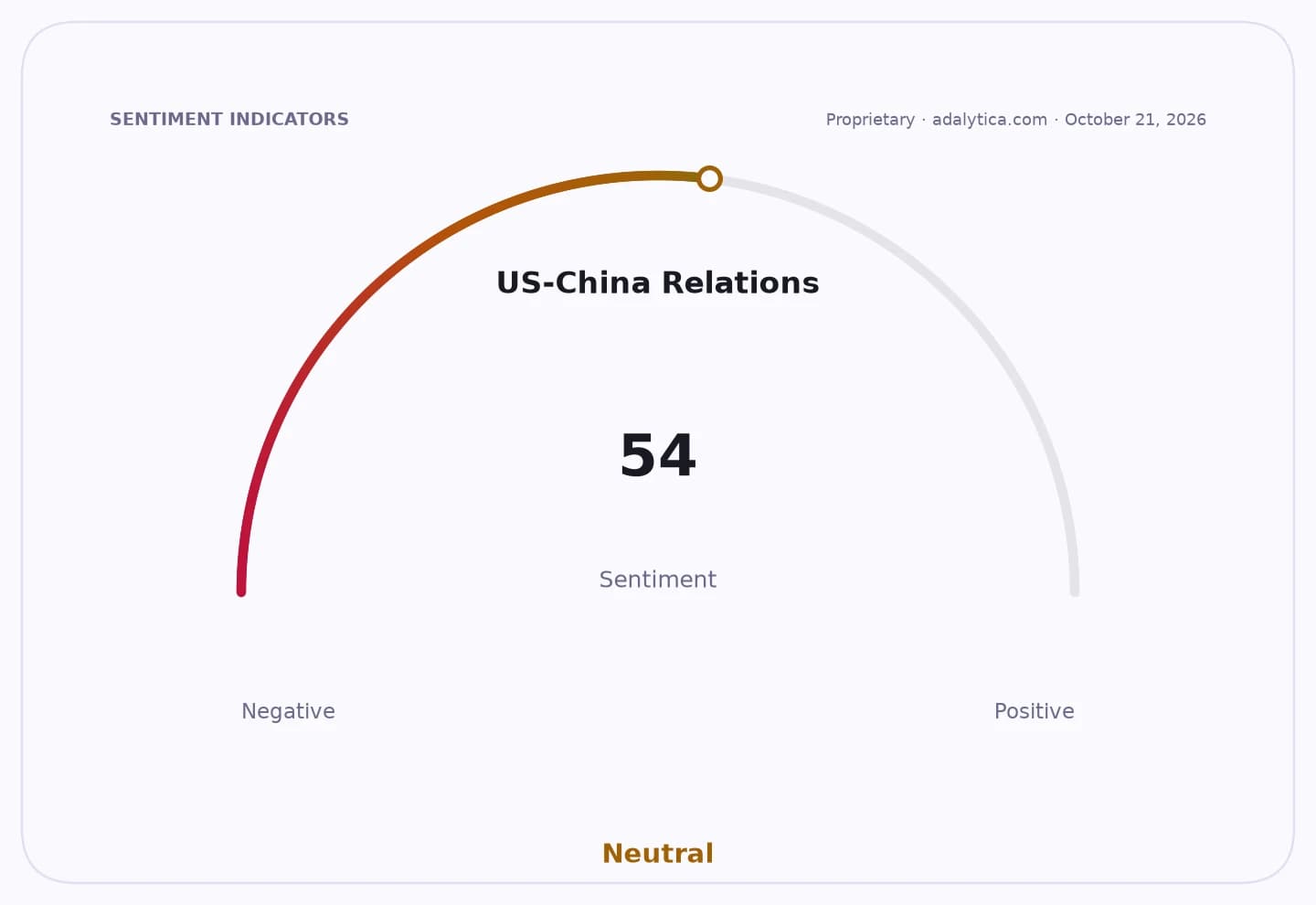
Sentiment IndicatorsⓘProprietary · adalytica.com · October 15, 2026
This is a snapshot — live sentiment, awareness and momentum for 130+ markets update continuously in the dashboard.Open AlphaPulse
Justice Darron Ellis dismissed the suit brought by Ashley Reid-Pascarella and Jeffrey Pascarella against West Bay Management, which runs Sandals Royal Bahamian Spa & Resort Offshore Island, on the basis that the action was filed in The Bahamas more than four years after the alleged incident in April 2016. The court found the relevant psychiatric injury was known by May 2016 at the latest, meaning the statutory deadline expired no later than May 2019.
The couple had argued that part of their case was contractual and should therefore benefit from a six-year limitation period. The court rejected that framing, saying the nature of the damages sought — not the label attached to the claim — determined the limitation period. The ruling also awarded costs to Sandals, which could further reduce the net expense of the dispute once the parties settle the amount.
Importantly for the wider resort industry, the judge held that Sandals’ one-year lawsuit deadline in its guest terms was unenforceable because it unreasonably restricted liability for personal injury and created a significant imbalance in a consumer contract. But the court upheld a separate six-month notice requirement and accepted that the resort’s terms were properly communicated through travel intermediaries, a point that may matter for operators that sell through agencies and package-tour channels.
For investors in hotels, cruise lines and destination resorts, the decision is a mixed but generally favorable reminder that courts may strike down aggressive contract terms while still enforcing statutory filing deadlines. The ruling narrows the legal exposure on older incidents and supports the use of jurisdiction clauses and local-law selection provisions, both of which can be important in cross-border tourism businesses.
The immediate financial impact on Sandals appears limited to legal costs, but the broader significance is that the company has reduced uncertainty around a legacy claim tied to one of its flagship Caribbean properties. The case also comes against a backdrop of heightened sensitivity around guest safety and liability in destination travel, where litigation can affect brand perception even when damages are not ultimately awarded.
For shareholders in resort operators such as Wynn Resorts, Hilton and Marriott, the takeaway is less about this single case than about the durability of limitation defenses in tourism-related lawsuits. Operators that can show clear booking terms, proper notice provisions and local jurisdiction clauses may be better positioned to contain claims that might otherwise become expensive, drawn-out disputes.
| Entity | Gains | Losses |
|---|---|---|
| Sandals / West Bay Management | ▲Dismissal of lawsuit | ▼Ongoing litigation risk |
| Bahamas resort operators | ▲Stronger limitation defense | ▼Exposure to older claims |
| U.S. couple | ▲None from ruling | ▼Case dismissed, costs risk |
| Investors in hospitality stocks | ▲Less legal overhang | ▼Fear of open-ended liability |