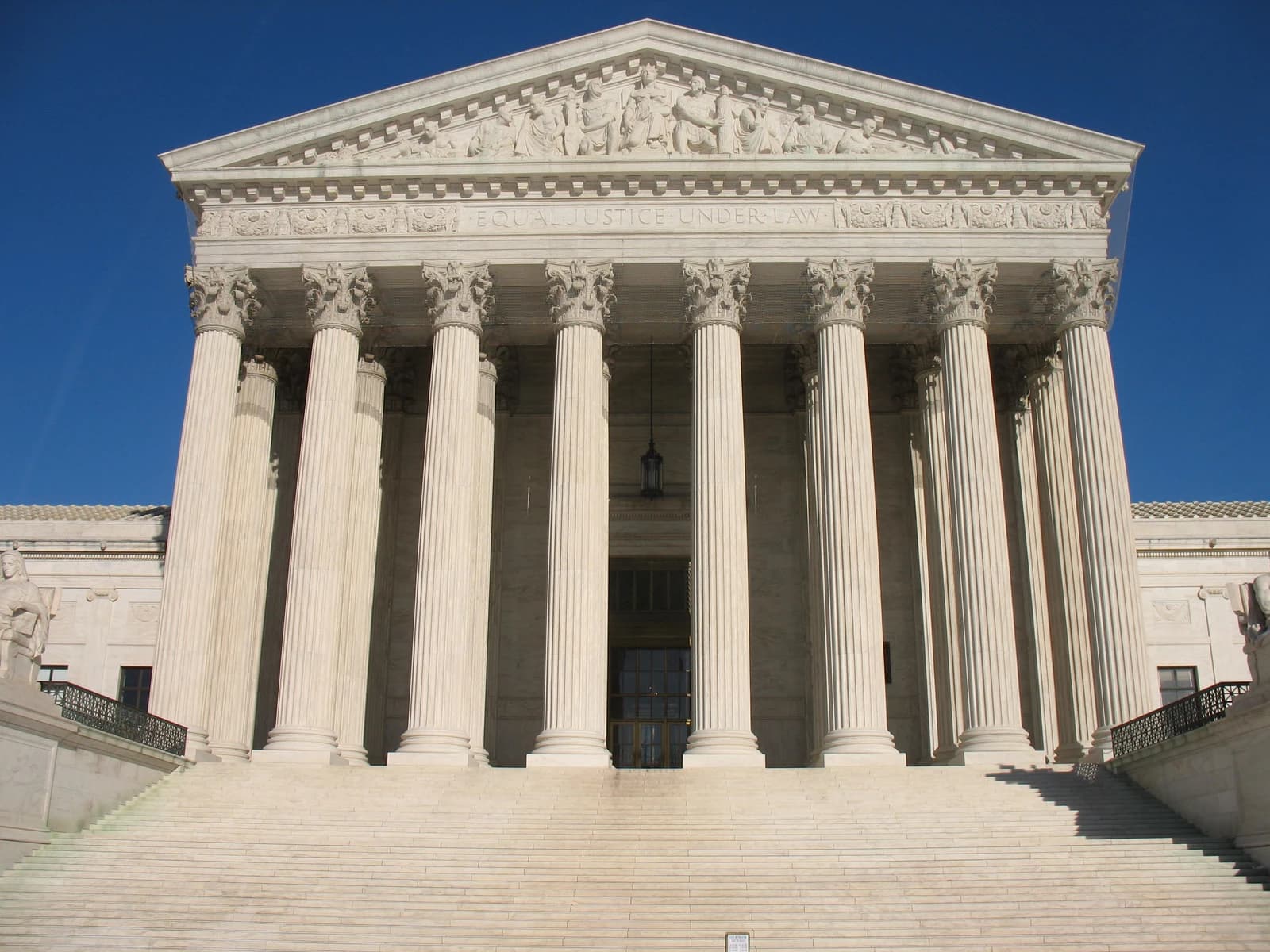
The US Supreme Court has opened a case that could determine whether cities and counties can force oil majors to pay for climate damages, a ruling that would reshape climate litigation risk for ExxonMobil, Suncor Energy and the wider energy sector.
Supreme Court Opens Boulder Climate Damages Case
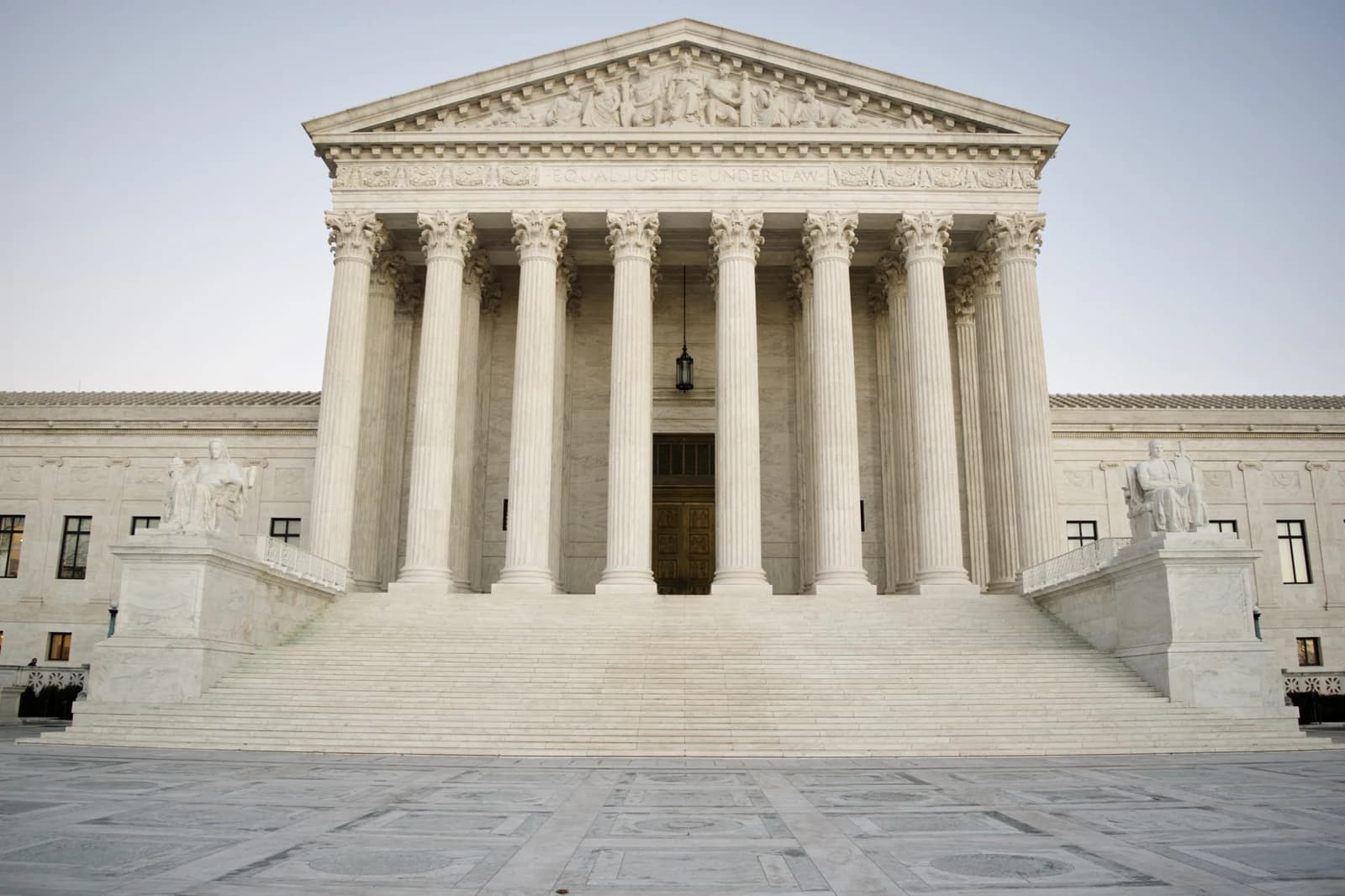
At issue is an appeal from Exxon and Suncor challenging whether Boulder, Colorado, can keep its lawsuit alive over alleged climate-related harms. If the justices side with local governments, the decision could preserve dozens of similar cases nationwide and expose fossil-fuel companies to potentially billions of dollars in damages. If the court shuts the door, it would remove one of the most important legal avenues for climate accountability in the US and likely stall a movement that has spent years trying to shift the cost of wildfires, floods and other extreme-weather losses onto the industry seen as contributing to the problem.
Sentiment IndicatorsⓘProprietary · adalytica.com · October 15, 2026
This is a snapshot — live sentiment, awareness and momentum for 130+ markets update continuously in the dashboard.Open AlphaPulse

The economic stakes are broad because the suits are not simply about one Colorado county. They test whether climate harm can be treated as a compensable local injury or whether emissions claims are barred because only the federal government can regulate pollution. The Trump administration has backed the oil companies, arguing that allowing municipalities to pursue such cases would create economically disastrous consequences and undermine a uniform federal standard. That argument goes to the heart of a long-running policy fight: whether climate liability is primarily a state and local tort issue or a national regulatory question.
Investors have reason to pay close attention because the outcome affects both cash-flow risk and the sector’s valuation discount. A ruling allowing the Boulder case to proceed would not immediately generate damages, but it would strengthen plaintiffs’ leverage in settlement talks and increase the legal overhang on balance sheets across the industry. The broad exposure matters most for firms with deep US downstream and upstream footprints, where litigation, remediation and disclosure costs can accumulate even if ultimate liability is uncertain. By contrast, an adverse ruling would reduce the tail risk of open-ended damages claims and could modestly improve sentiment toward integrated oil stocks already supported by firmer crude prices and stronger cash generation.
The market backdrop underscores that tension. The energy sector ETF XLE has surged to $66.56, up sharply from below $50 in October, with its 50-day average near $63.10 and the 200-day average around $56.87. The move has left the fund in technically stretched territory, with a relative strength index of 75.2, suggesting investors are already pricing a favorable operating backdrop for producers. Chevron’s and Exxon’s latest filings also show that climate and regulatory risks remain embedded in corporate disclosures, even as companies continue to emphasize capital discipline and market-based emissions solutions.
Broader market indicators point to a still-elevated macro and policy risk environment. The US 10-year Treasury yield is around 5.17%, keeping financing conditions tight enough that long-dated legal liabilities matter more for discounted valuations than they would in a low-rate environment. Adalytica’s Global Stability Sentiment remains in “Greed” while awareness is in “Extreme Fear,” a combination that suggests investors may be underpricing policy-driven shocks even as risk appetite remains firm.
The most consequential issue for the justices is not just Boulder, but whether climate damages can be translated into a durable legal claim against the fossil-fuel industry. A decision expected by the end of June could either widen the path for municipal plaintiffs seeking compensation for climate costs, or sharply narrow the field and reinforce federal primacy over emissions policy. For oil investors, the difference is between a manageable legal nuisance and a potentially material new class of liability.
| Entity | Gains | Losses |
|---|---|---|
| Local governments | ▲Wider route to damages | ▼Less leverage if blocked |
| ExxonMobil, Suncor | ▲Liability capped if they win | ▼Higher litigation risk if they lose |
| Oil-sector investors | ▲Lower legal overhang if barred | ▼Valuation pressure if cases spread |
| Climate plaintiffs | ▲Stronger precedent for claims | ▼Movement setback if court rejects case |