Sarvam AI’s decision to bring in Google Cloud India veteran Sashikumar Sreedharan as president and chief business officer is a sign that the startup is shifting from building technology to scaling a commercial franchise.
Sarvam AI names Sashikumar Sreedharan president
That matters because in artificial intelligence, the winners are not just the companies with the best models. They are the ones that can sell those models into enterprises and government agencies, keep customers from walking away, and turn research into recurring revenue. Sarvam is trying to do exactly that, and hiring a veteran operator with deep relationships in India’s cloud and enterprise software market is a practical move, not a symbolic one.
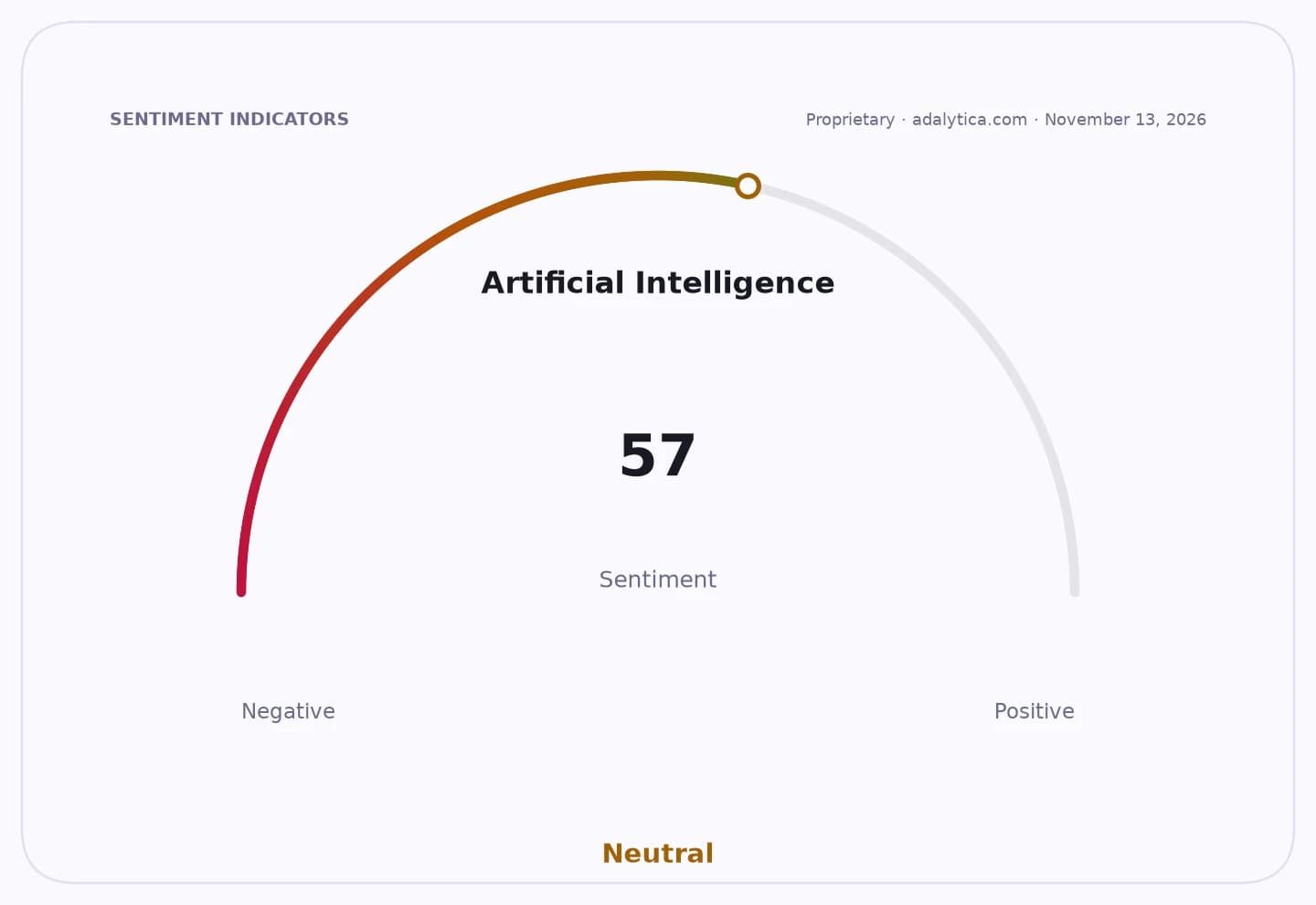
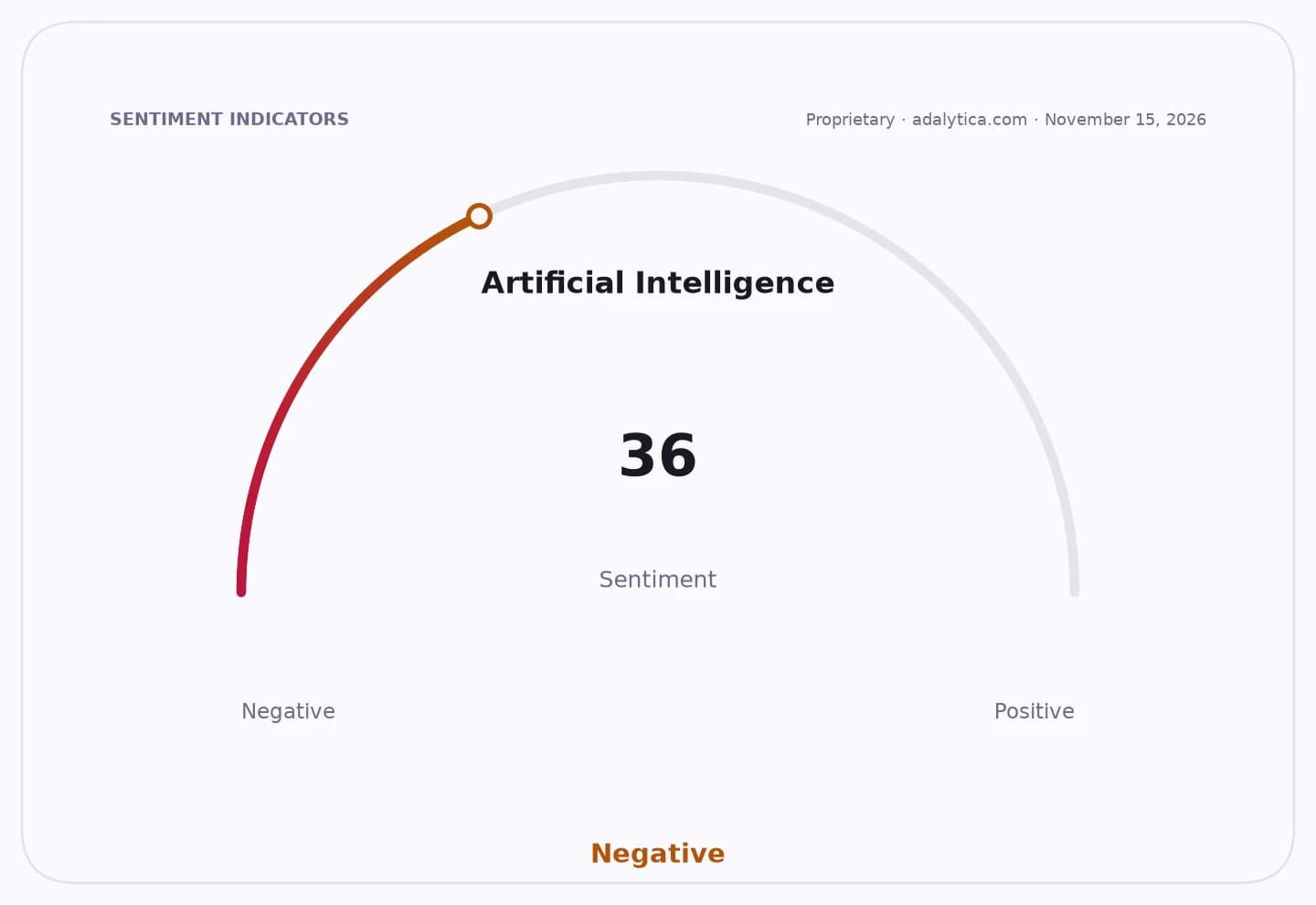
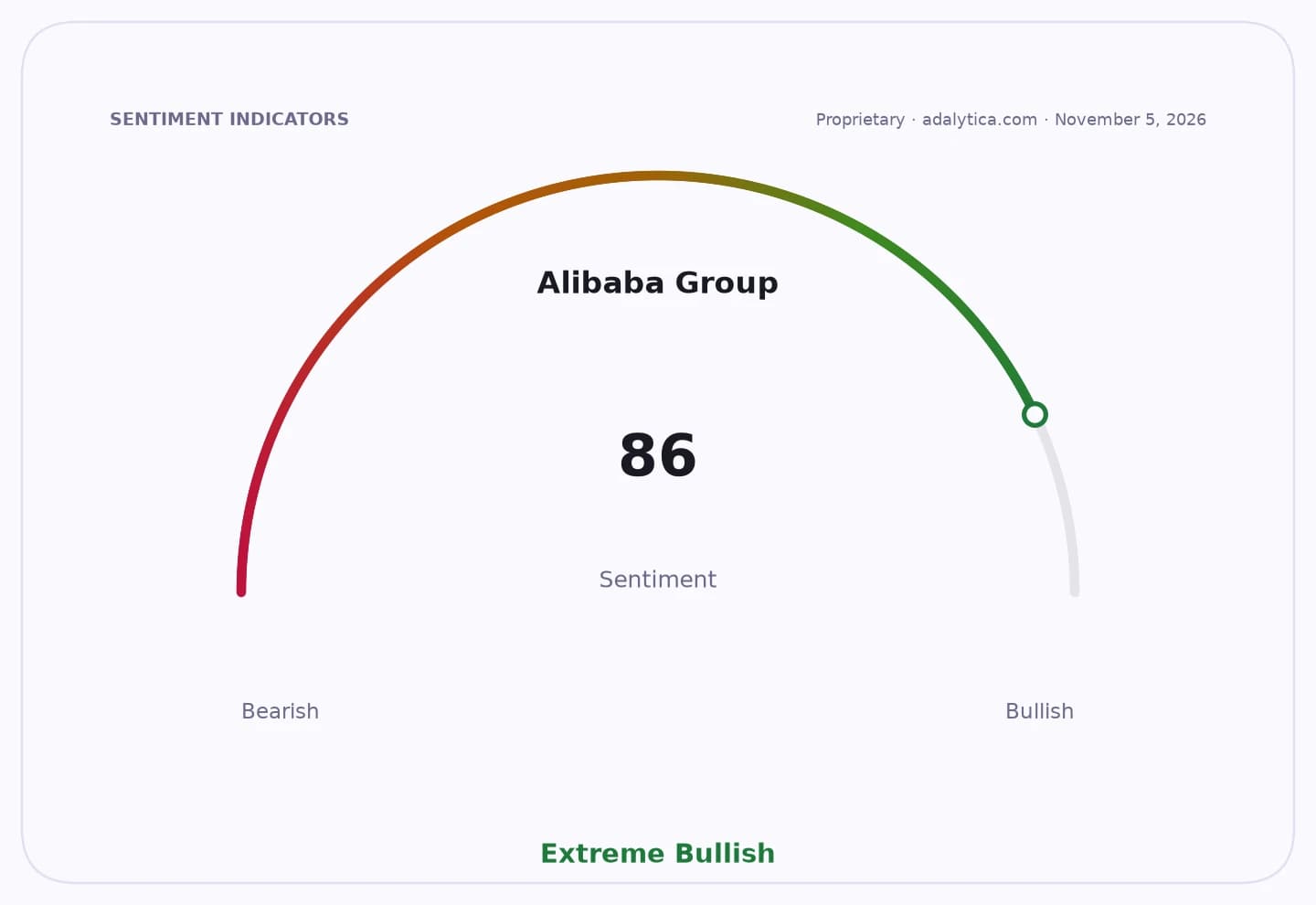
Sentiment Indicators
Sreedharan will also join Sarvam’s board and oversee business across enterprises and government, while expanding ties with digital-native companies, developers and partners. He will additionally take charge of marketing, finance, forward-deployed engineering, service delivery and commercial operations, giving Sarvam a leader with broad responsibility just as the company says it is entering its “next phase” of growth.
For investors watching the broader AI race, the appointment fits an important pattern: the market is increasingly rewarding companies that can convert AI enthusiasm into durable customer adoption. Sarvam said more than 100 enterprises and government institutions are already building with its full-stack AI offering, a meaningful sign of traction for a young company in a market where many AI startups are still chasing pilots rather than production deployments.
The company is also leaning hard into “enterprise-owned AI,” where data, models and agents remain under a customer’s control. That positioning could resonate in India, where governments and large companies are likely to be cautious about handing sensitive data to external platforms. If Sarvam can become a trusted provider of sovereign-style AI infrastructure, it could carve out a defensible niche in one of the world’s fastest-growing technology markets.
Sreedharan’s background suggests Sarvam wants not just sales discipline but scale. He spent more than three decades in technology and previously led Microsoft India’s enterprise business for over five years. That experience matters because enterprise AI adoption often depends as much on channel strategy, implementation and customer success as it does on raw model quality. In other words, this is about building the plumbing of a business, not just the marketing of a product.
The move also underscores how competitive the AI infrastructure race has become in India. Google, Microsoft and Amazon all have a stake in the country’s cloud and AI expansion, while local startups are trying to establish themselves before those giants lock in the market. Sarvam’s bet is that local trust, regulatory sensitivity and close customer relationships can give it an edge.
For long-term investors, the key question is whether Sarvam can turn early demand into a scalable platform with staying power. The company’s pitch is compelling: frontier AI research feeding enterprise adoption, and enterprise requirements feeding better products. That is the kind of compounding flywheel that can create a real business if execution holds up. For now, the appointment of an experienced commercial leader is exactly the sort of move a company makes when it wants to graduate from promising startup to enduring AI platform. Worth watching.
| Entity | Gains | Losses |
|---|---|---|
| Sarvam AI | ▲Enterprise sales push | ▼Early-stage execution risk |
| Sashikumar Sreedharan | ▲Bigger leadership role | ▼Less room for missteps |
| Indian enterprises and government buyers | ▲More local AI options | ▼Dependence on vendor execution |
| Global cloud rivals | ▲A growing AI market | ▼Share if Sarvam wins trust |