Saudi Arabia’s Foreign Minister, Prince Faisal bin Farhan, arrived in Moscow on an official visit that underscores Riyadh’s effort to keep open lines with Russia even as tensions over Ukraine and NATO security remain elevated.
Saudi Arabia foreign minister visits Moscow

The trip matters because Saudi Arabia sits at the center of two markets that move global risk: oil and geopolitics. Any sustained coordination between Riyadh and Moscow can affect crude supply discipline, OPEC+ policy expectations and broader energy pricing, all of which feed directly into inflation, central bank decisions and investor positioning.
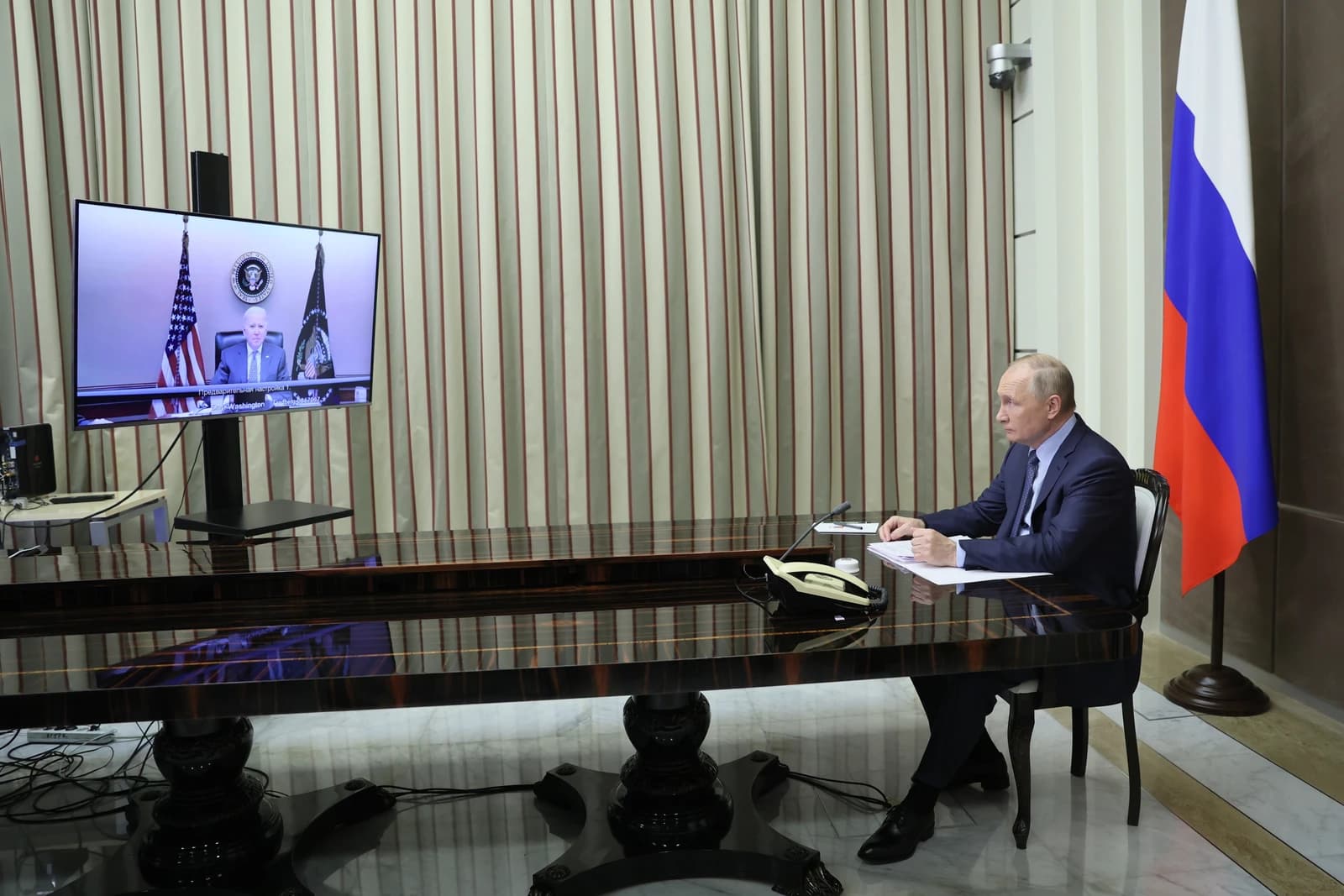
Prince Faisal is set to meet Russian Foreign Minister Sergei Lavrov to discuss bilateral ties and regional and international developments of mutual interest, according to the Saudi announcement. That puts the focus on a relationship that has remained functional despite the war in Ukraine and the sharp deterioration in Russia’s ties with many Western governments.
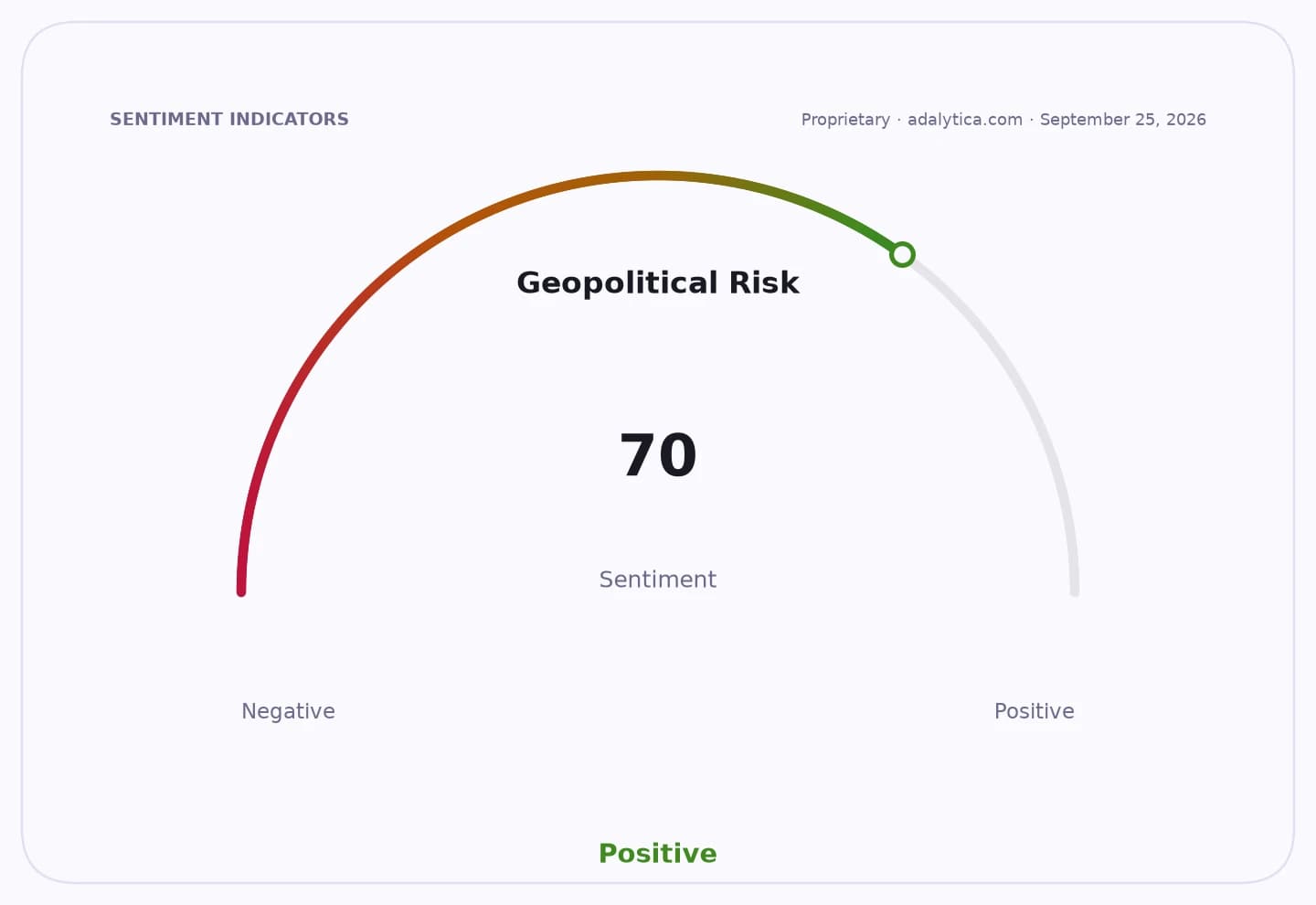
For investors, the visit is another signal that Saudi Arabia is preserving flexibility in its foreign policy and energy strategy. Markets will watch for any language around OPEC+ coordination, production restraint or broader diplomatic alignment, especially as crude traders remain sensitive to any hint of tighter supply discipline or geopolitical risk premium.
The backdrop is a fraught one. Russia remains under intense Western scrutiny after recent U.S. warnings to Moscow not to expand the conflict into NATO territory, while European defense concerns remain high. In that environment, Riyadh’s outreach to Moscow suggests it is still betting that engagement with Russia is economically useful, even if political risk stays elevated.
The next market catalyst will be any sign from the Moscow talks that the two sides are aligning on regional security or energy policy, which could feed into oil prices, inflation expectations and sentiment across energy-linked assets.
| Entity | Gains | Losses |
|---|---|---|
| Saudi Arabia | ▲Diplomatic leverage | ▼Alignment risk |
| Russia | ▲International engagement | ▼Isolation pressure |
| Oil markets | ▲Supply-policy clarity | ▼Geopolitical volatility |
| Western policymakers | ▲Communication channel | ▼Pressure on Russia containment |