Saudi Arabia’s private non-oil economy is still expanding, and that matters because it shows the kingdom’s growth story is becoming less dependent on oil just as crude activity weakens sharply.
Saudi Arabia Non-Oil PMI Rises to 53.8 in August
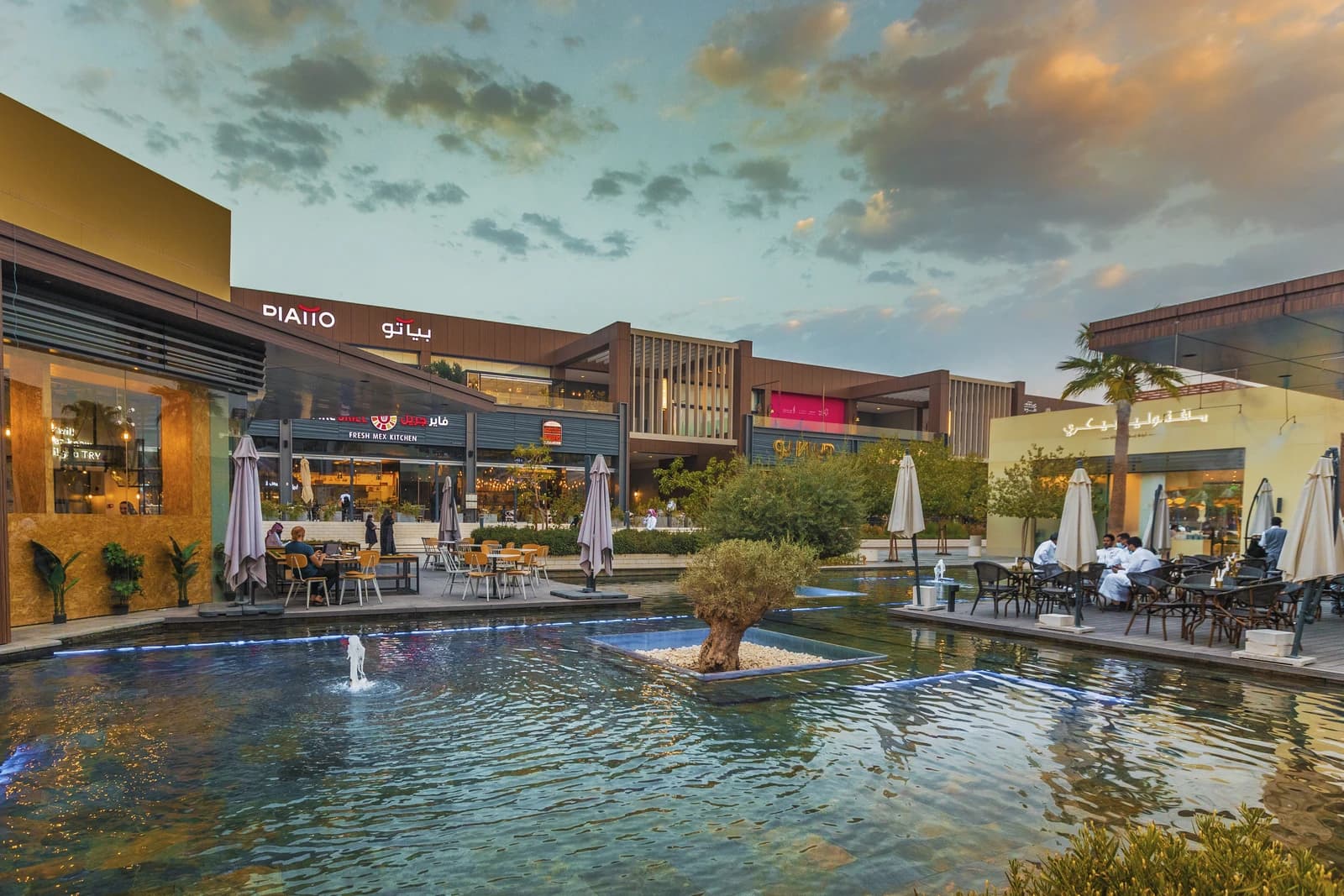
The Riyad Bank Purchasing Managers’ Index, compiled by S&P Global, rose to 53.8 in August from 53.1 in July, the strongest reading in six months and the fifth straight month above the 50 mark that separates growth from contraction. For investors, the message is simple: domestic demand, business activity and project spending are continuing to support the economy even as oil-related output drags on headline growth.
Sentiment IndicatorsⓘProprietary · adalytica.com · September 3, 2026
This is a snapshot — live sentiment, awareness and momentum for 130+ markets update continuously in the dashboard.Open AlphaPulse
That resilience is important because the broader economy is not firing on all cylinders. Flash estimates from the General Authority for Statistics showed real GDP contracted 4.8% year on year in the second quarter, as oil activities plunged 24.7%. Non-oil activity still grew 0.6%, but the pace slowed. In that context, a firmer PMI suggests the private sector is helping absorb some of the shock from lower oil production and weaker energy-linked growth.
The details underline where the strength is coming from. Output rose at its fastest pace in seven months, new orders increased for a fifth consecutive month and business confidence hit a seven-month high. Riyad Bank chief economist Naif Al-Ghaith said the survey showed the non-oil economy was maintaining positive momentum into the third quarter, with stronger domestic demand and a healthy pipeline of development projects supporting activity.
That is exactly the kind of trend long-term investors want to see in Saudi Arabia. A broader, more diversified economy tends to support banks, construction, consumer-facing businesses and industrial suppliers, especially when fiscal support and public investment remain in place. It also reinforces the appeal of Saudi assets for investors looking beyond oil to the kingdom’s Vision 2030 transformation.
There are still cautions. Export orders fell more sharply, with companies blaming regional tensions, and cost pressures remained elevated as material, transportation and wage inflation persisted. Competition also limited firms’ ability to raise prices. But backlogs of work fell again, suggesting companies still have room to handle demand without immediate strain, and hiring continued for a second month.
For investors, the bigger takeaway is that Saudi Arabia’s non-oil expansion is looking more durable than the headline GDP number implies. If domestic demand keeps doing the heavy lifting and development spending stays strong, the private sector can continue compounding even in a softer oil environment. That makes the kingdom’s diversification story worth watching for the long term.
| Entity | Gains | Losses |
|---|---|---|
| Saudi non-oil companies | ▲Stronger demand and output | ▼Export weakness and higher costs |
| Consumers and domestic spenders | ▲More activity and jobs | ▼Some pass-through of inflation |
| Government diversification agenda | ▲Validation of growth strategy | ▼Pressure if oil activity stays weak |
| Oil-linked sectors | ▲Little direct benefit | ▼Drag from sharp oil contraction |