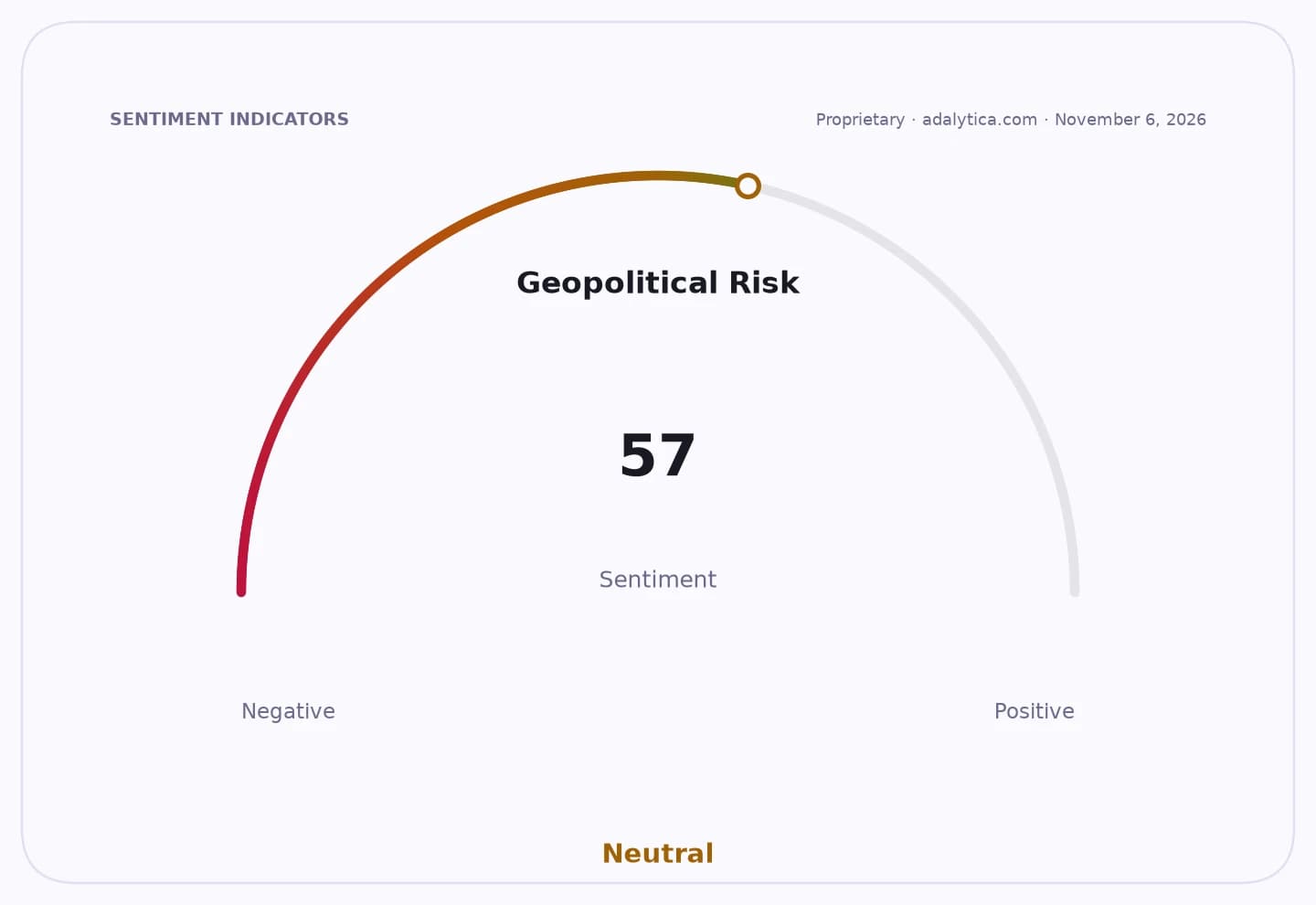
Saudi Aramco’s third-quarter profit beat Wall Street estimates because the world’s most important oil company is still making more money from higher crude prices and exceptionally strong refining margins, even as attacks on its infrastructure underscore how geopolitics is reshaping energy markets.
Saudi Aramco Q3 profit beats estimates on strong refining
The Saudi state oil giant reported adjusted net income of $31.2 billion for the quarter, up from $28.6 billion a year earlier and well ahead of the $28.7 billion consensus estimate compiled by Bloomberg. For long-term investors, the key takeaway is simple: when oil prices jump and product markets tighten, Aramco’s earnings power moves quickly higher, and that ripples through everything from Saudi public finances to global energy stocks.
Sentiment Indicators
The quarter’s standout feature was not just the crude-price backdrop, but the downstream surge. Adjusted EBIT in Aramco’s downstream division rose 234% from a year earlier to $10.3 billion as refinery margins strengthened and product prices hit record levels in many markets. That matters because downstream profits can cushion the company when upstream economics are pressured, making Aramco one of the rare energy names with multiple ways to win in a volatile market.
The company also kept its base dividend at $21.9 billion for the quarter, up 3.5% from a year earlier. Most of that cash still flows to the Saudi government, which owns more than 90% of the company, so the result is important well beyond the stock market. Stronger Aramco earnings support the kingdom’s budget, investment plans and broader economic diversification push at a time when oil revenues remain central to state spending.
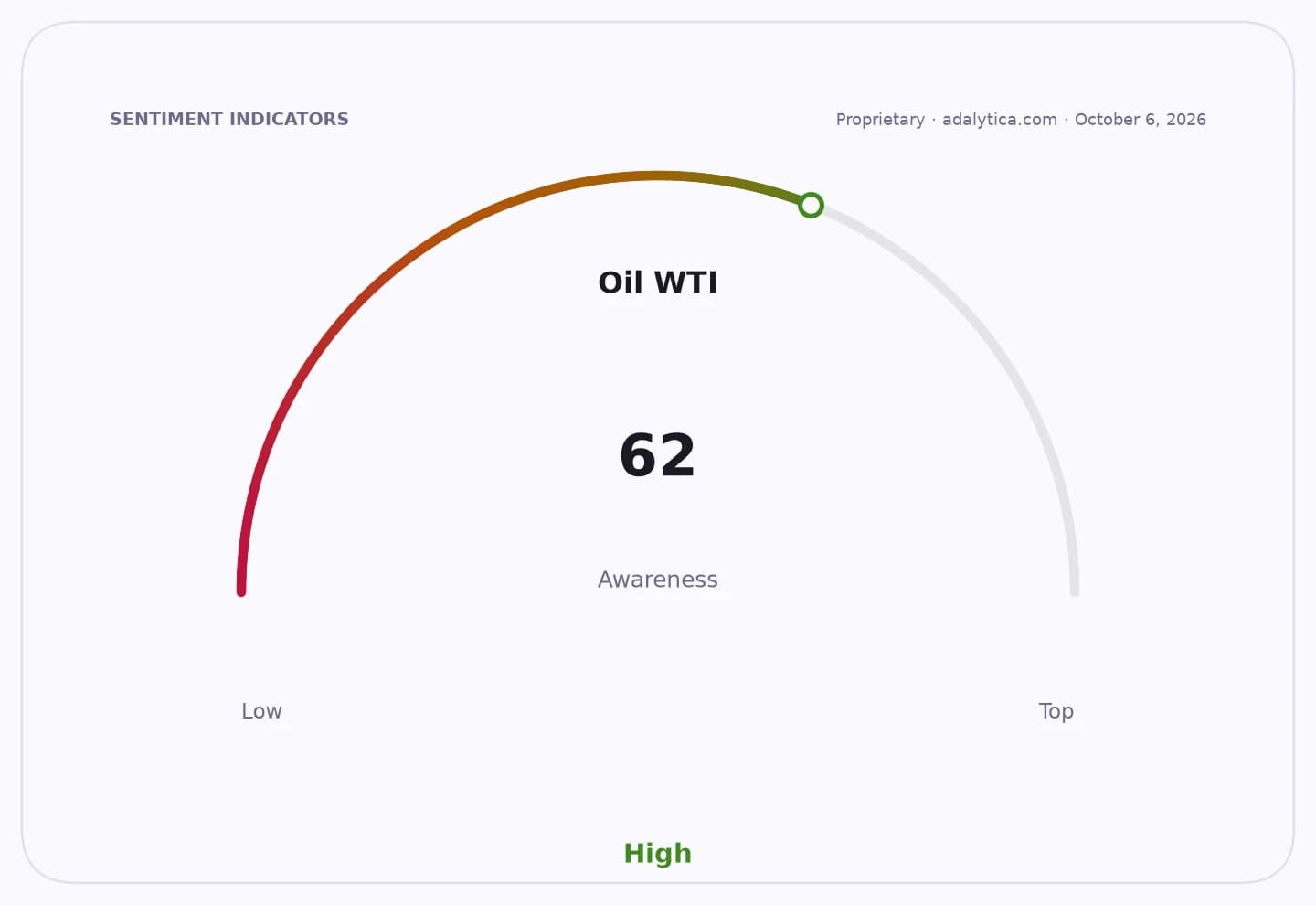
Oil WTI
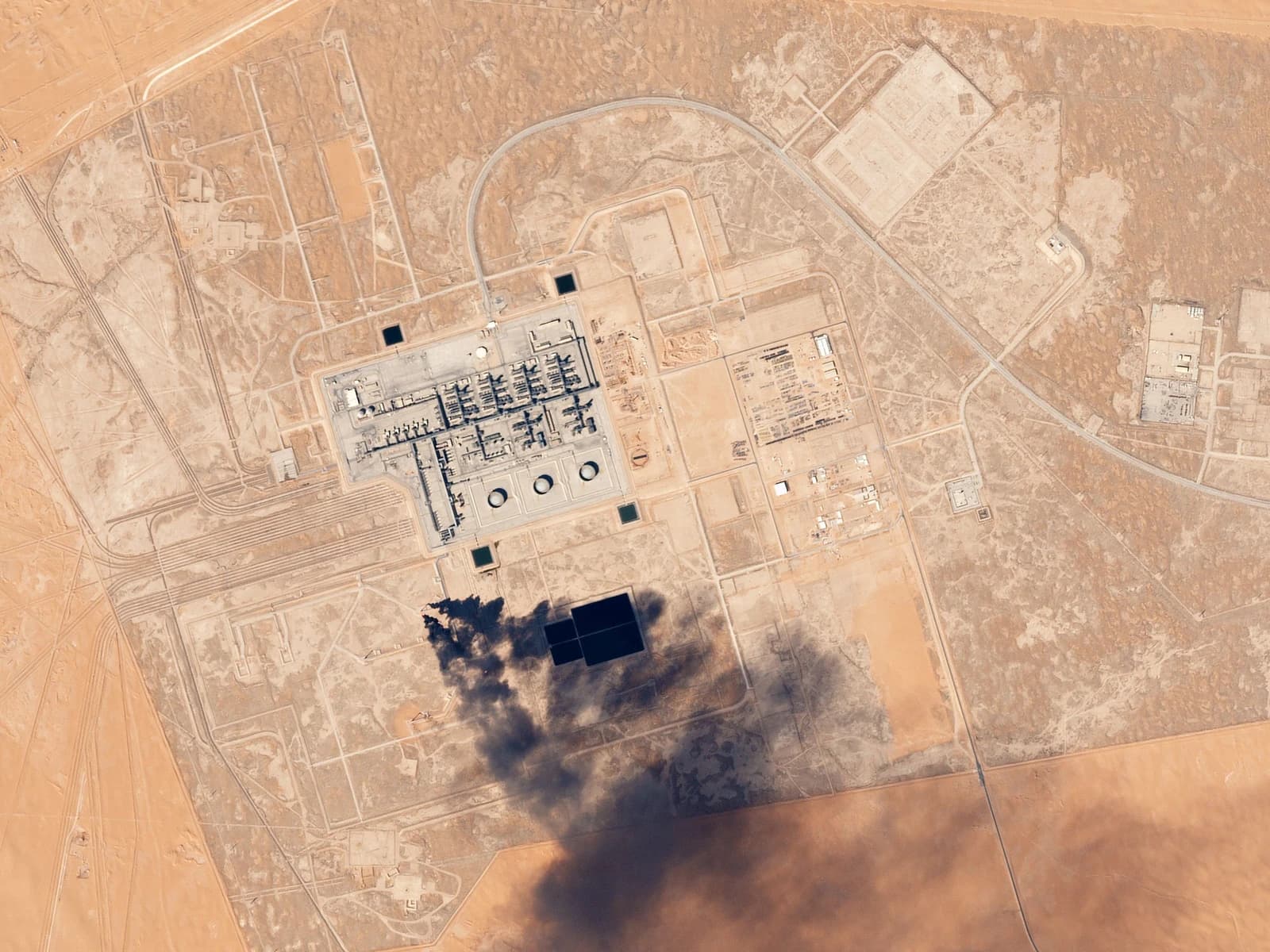
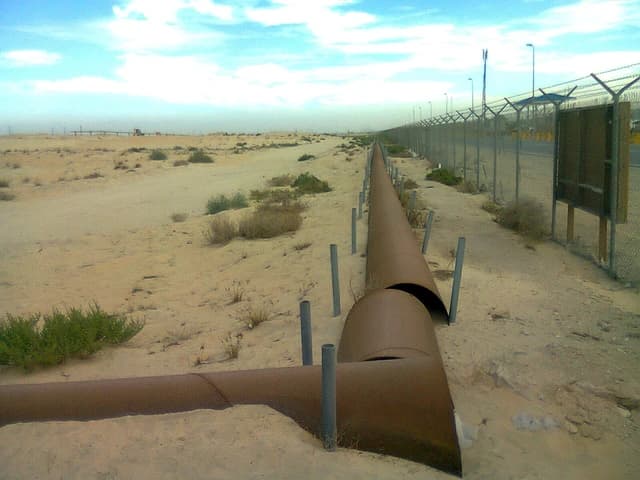
Aramco said geopolitical uncertainty and attacks on key energy facilities continued to amplify the global energy supply crisis in the quarter. Those disruptions included strikes on the East-West pipeline route and other infrastructure tied to the Iran-backed Houthis. In plain terms, the market is being reminded that oil supply is not just a question of geology and demand — it is also a question of security.
That is why the numbers matter to investors outside Saudi Arabia too. Oil prices have been elevated, US crude recently traded near $100 a barrel, and energy sector funds have reflected the rally even as some major producers pulled back on a short-term basis. The profit reports from Aramco and other global oil majors point to a durable earnings environment for the industry as long as supply remains tight and refining margins stay healthy.
For investors, the bigger lesson is that the energy trade is still driven by scarcity and discipline. When prices are high, integrated giants such as Aramco, Exxon Mobil and Chevron can generate enormous free cash flow, defend dividends and invest through the cycle. When geopolitical risk rises, their scale and balance-sheet strength become even more valuable.
The question now is whether these profits prove cyclical or durable. If oil stays near current levels and refinery spreads remain wide, Aramco’s earnings could stay robust into year-end. If prices ease, the upside will fade quickly. For long-term portfolios, that argues for treating Aramco and its global peers as powerful cash-generating assets in an energy allocation, not as names to chase at any price. Worth watching, and worth holding patiently if you want exposure to a sector that still benefits from the world’s dependence on oil.
| Entity | Gains | Losses |
|---|---|---|
| Saudi Aramco | ▲Higher profit, stronger dividends | ▼Attack-related disruption risk |
| Saudi government | ▲Larger fiscal inflows | ▼More exposure to oil dependence |
| Energy investors | ▲Bigger cash flows, higher yields | ▼Volatility from oil swings |
| Oil consumers/importers | ▲— | ▼Higher fuel and energy costs |