Thai refiners surged after Saudi Arabia slashed official crude selling prices for Asia by about $5 a barrel for November, a move that should widen refining margins by lowering feedstock costs and give the sector a direct earnings tailwind.
Thai refiners rise after Saudi crude price cut
PTTGC rose 3.98% to 52.25 baht on turnover of 412.15 million baht, while TOP climbed 2.80% to 73.50 baht on 521.07 million baht of trading. IRPC gained 2.74%, BCP added 0.94% and SPRC advanced 0.65% as investors moved quickly to price in better crack spreads and cheaper imported crude.
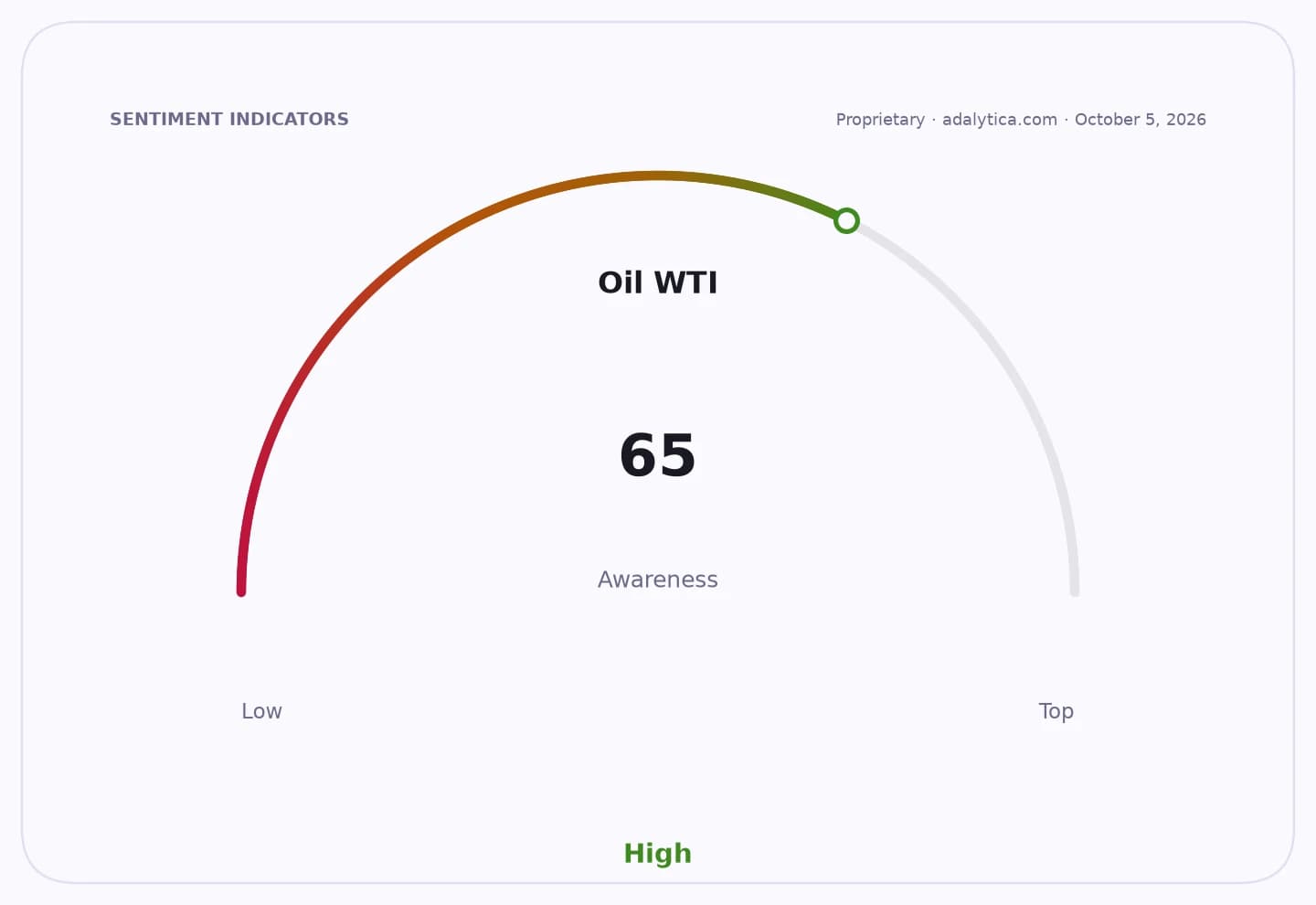
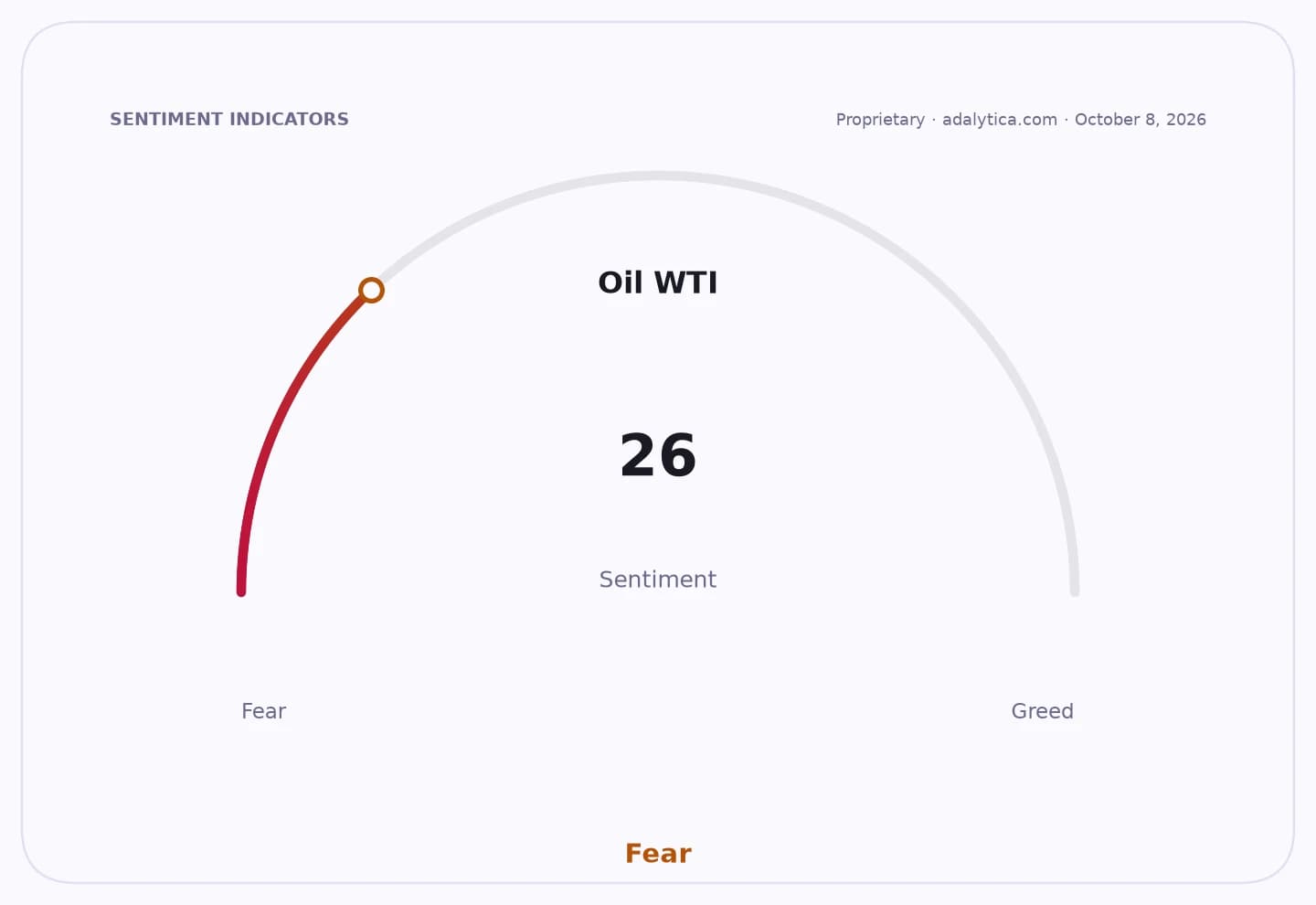
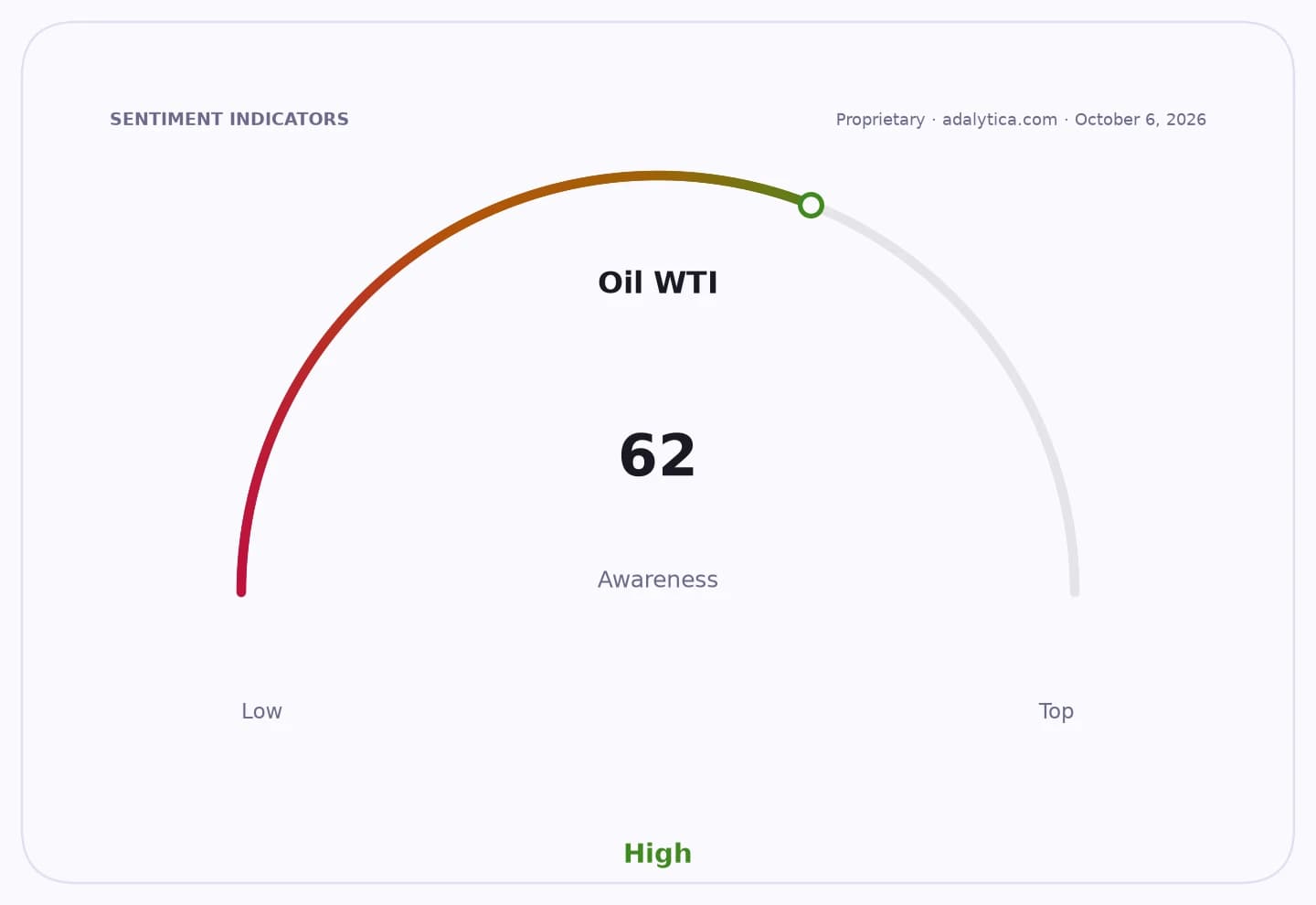
Sentiment IndicatorsⓘProprietary · adalytica.com · October 6, 2026
This is a snapshot — live sentiment, awareness and momentum for 130+ markets update continuously in the dashboard.Open AlphaPulse
The catalyst is straightforward: Saudi Aramco’s November Arab Light official selling price for Asia was cut to a discount of $5 a barrel, the widest discount since June 2020 and well below market expectations for a price increase. For refiners, that matters immediately because crude is the main input cost. When a major supplier lowers prices into the region, refining margins usually improve before product prices fully adjust.
The move also carries broader economic significance. Saudi Arabia is effectively defending market share in Asia at a time when freight costs have jumped and buyers are sensitive to delivered crude prices. By discounting its flagship grade, the kingdom is signaling that it would rather protect volume than preserve pricing power. That can ripple through regional crude benchmarks, pressure competing exporters and ease input costs for downstream operators from Thailand to Singapore.
Among Thai names, IRPC stands out because it uses Arab Light in meaningful volumes, making it especially sensitive to the crude premium. PTTGC and TOP also benefit from the same margin mechanism, while BCP and SPRC get support from the same sector rerating. In an environment where refining margins can move sharply on even small changes in feedstock pricing, that is enough to reprice the group fast.
The market is also looking past the headline crude cut to the second-order effect: tighter supply conditions in petrochemicals may keep supporting downstream earnings even if some product spreads soften. Regional HDPE and polypropylene spreads remain well above pre-war levels, underscoring how constrained naphtha-based supply still is. That gives refiners and integrated downstream players a second lever, not just cheaper crude.
From an investor’s perspective, this is the kind of setup the market often underestimates. Energy traders tend to focus on crude direction, but refiners win when input costs fall faster than product prices. If Saudi Arabia keeps leaning on discounts to protect Asian barrels, Thai refiners could see a stronger-than-expected earnings bridge into the fourth quarter.
For now, the trade is clear: own the refiners with the most direct exposure to cheaper Middle Eastern crude, and watch for any further pricing moves from Saudi Aramco that could extend the margin expansion. The near-term winner is the downstream complex; the losers are crude exporters trying to hold pricing power in Asia.
| Entity | Gains | Losses |
|---|---|---|
| Thai refiners | ▲Wider refining margins | ▼Higher inventory risk eases for buyers |
| PTTGC, TOP, IRPC, SPRC, BCP | ▲Lower feedstock costs | ▼Saudi crude pricing power |
| Asian crude buyers | ▲Cheaper imports | ▼Rival exporters’ market share |
| Saudi Arabia | ▲Defends volume in Asia | ▼Sacrifices price per barrel |