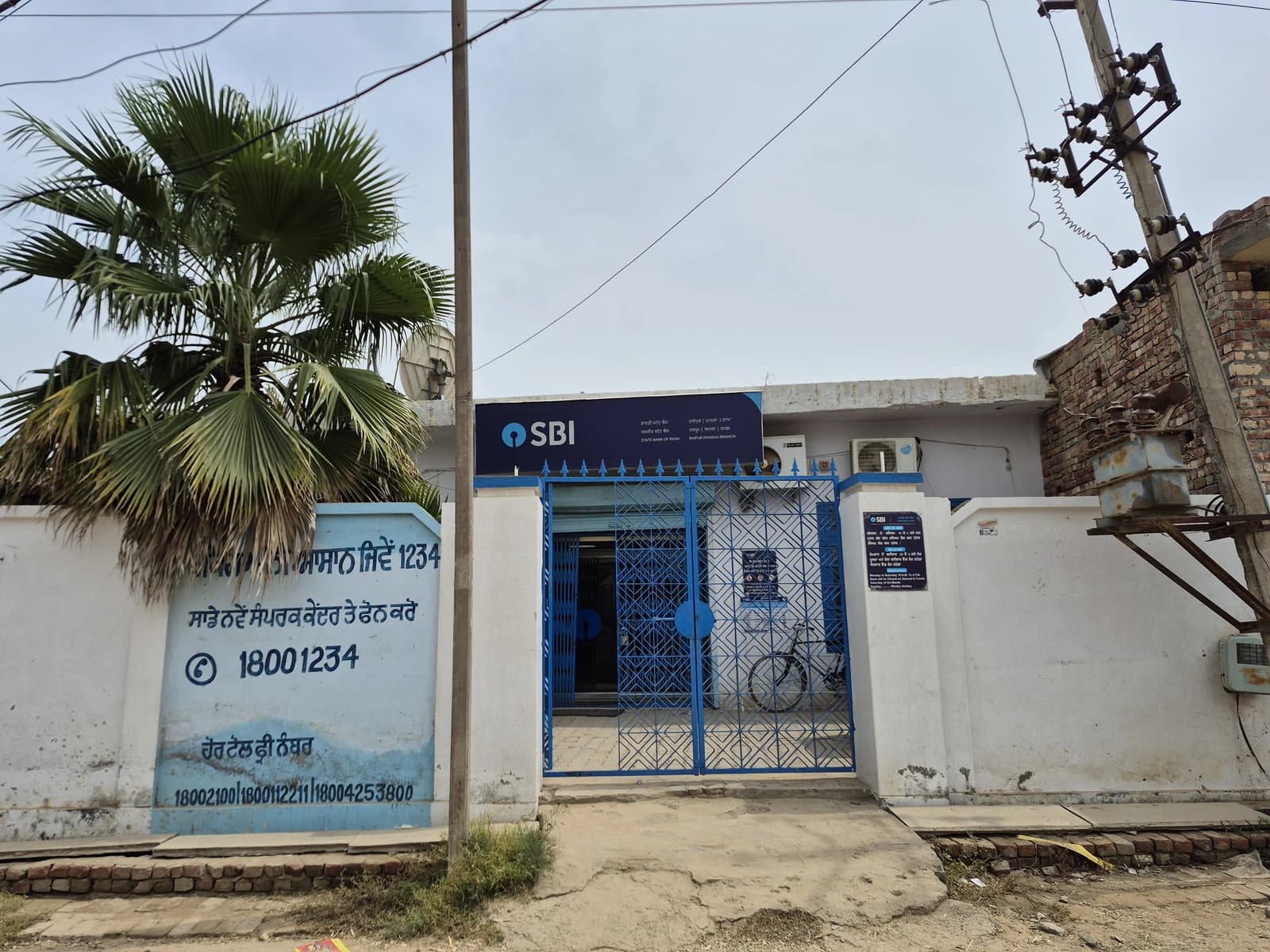
A missing Rs 4.40 lakh account-payee cheque in Raipur turned into a full-blown bank fraud after cash was withdrawn from an SBI branch using a fake Aadhaar card and forged signatures, underscoring how paper instruments and weak identity checks can still be exploited in India’s banking network.
SBI, Bank of India Cheque Fraud in Raipur
That matters because this was not a card skimming or app-based scam. It was a low-tech, high-impact breach that moved through two major banks and relied on gaps in verification at the point of deposit and cash payout. For investors, the story is less about one customer’s loss than about the persistent compliance and operational risk sitting inside large retail banking franchises, especially the state-run lenders that handle huge volumes of branch transactions.
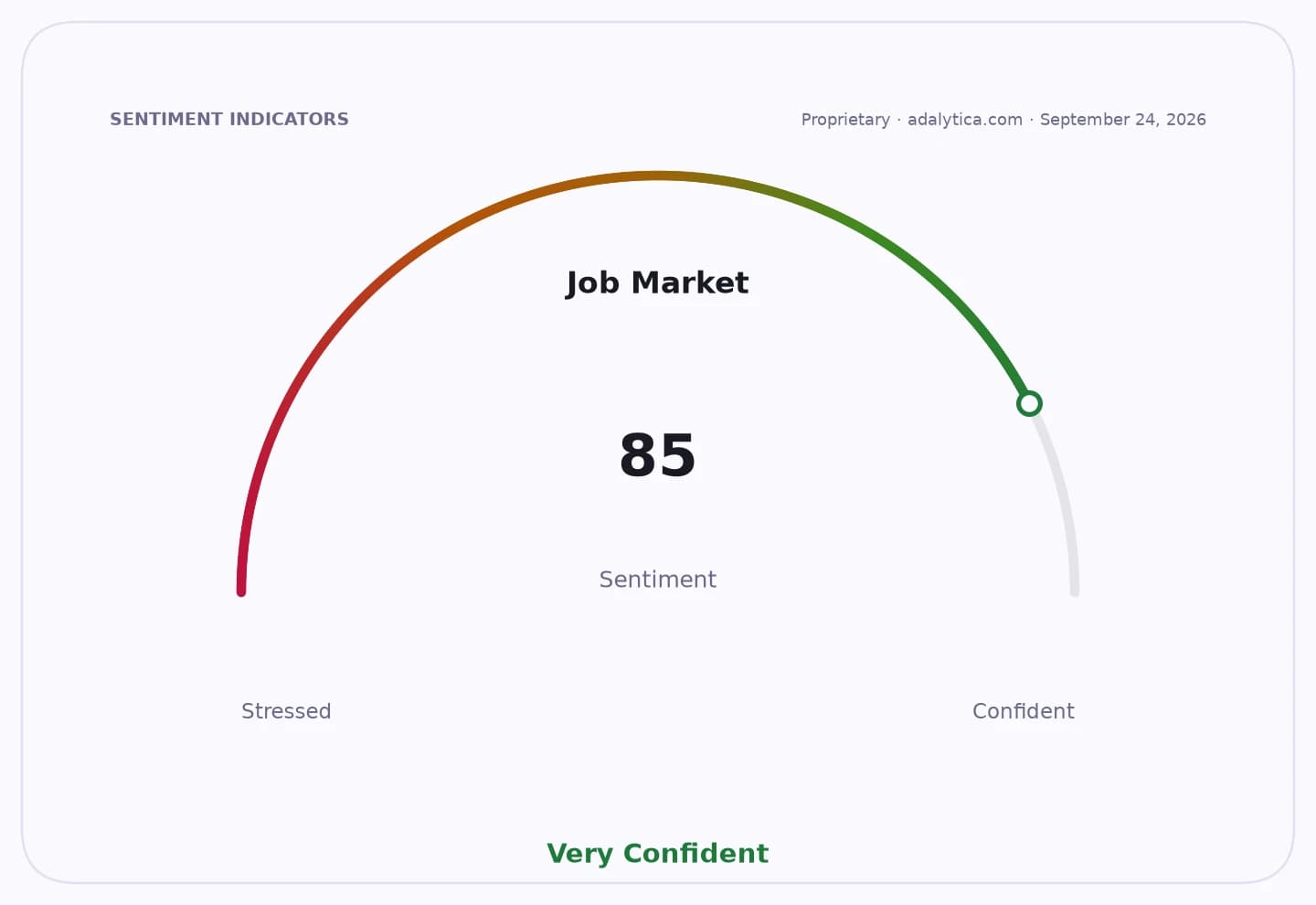
Sentiment IndicatorsⓘProprietary · adalytica.com · September 5, 2026
This is a snapshot — live sentiment, awareness and momentum for 130+ markets update continuously in the dashboard.Open AlphaPulse
According to the complaint, Raipur resident Anand Kusre handed over a Rs 4.40 lakh account-payee cheque at Bank of India’s Tatyapara branch on July 15 while he was closing a property sale. By July 17, the bank said the cheque had gone missing. On July 20, Kusre learned the money had been cashed at SBI’s Santoshinagar branch by an unknown person using fake identity documents. Police say the cheque carried forged signatures on the back and that the Aadhaar card presented used Kusre’s name but a different photo and altered details.
The economic significance is straightforward: fraud of this kind drains trust from the payments system and raises the cost of doing business for banks. Every missed red flag adds to the expense of fraud controls, CCTV review, manual checks, customer remediation and possible legal disputes. In a market where deposit growth and fee income matter, repeated operational lapses can quietly weigh on earnings quality even when headline credit costs look benign.
For Bank of India and SBI, the immediate financial hit from one cheque is small. The bigger issue is reputational. India’s state-owned banks still depend heavily on branch-led servicing, cheque clearing and cash withdrawals in smaller cities, where process discipline matters as much as digital scale. When one bank loses custody of an instrument and another pays out on forged identification, investors have to ask whether internal controls are keeping pace with fraud techniques that mix old documents with modern know-how.
That is why cases like this tend to matter more than the rupee amount suggests. Bank fraud does not usually show up as a single dramatic event on a balance sheet. It compounds through higher provisioning for operational losses, greater compliance spending and slower customer confidence in branch-based products. For long-term investors, the key question is whether lenders are tightening KYC, tokenising cheque handling, and reducing manual cash disbursal risk fast enough to protect margins.
The broader backdrop is not encouraging. Indian authorities have been dealing with a steady stream of banking scams, from digital fraud and money laundering to loan and toll collection schemes. That makes prevention a structural issue, not an isolated police matter. The winners are banks that can harden verification without slowing service; the losers are institutions still exposed to forged documents, weak identity checks and preventable branch-level mistakes.
For investors, this is a reminder to favor lenders with stronger digital controls, better fraud detection and disciplined operations. The best banks will keep compounding because they lose less to leakage. The rest will keep paying for mistakes in ways that do not always show up in the headline numbers. This case is worth watching, and it reinforces why patience, diversification and a close eye on bank governance still matter.
| Entity | Gains | Losses |
|---|---|---|
| Fraud victims | ▲Potential recovery via police probe | ▼Lost cash and trust |
| SBI and Bank of India | ▲Chance to tighten controls | ▼Reputational damage |
| Fraudsters | ▲Short-term illicit gain | ▼Police scrutiny |
| Investors in strong lenders | ▲Better governance may stand out | ▼Weaker banks face more risk |