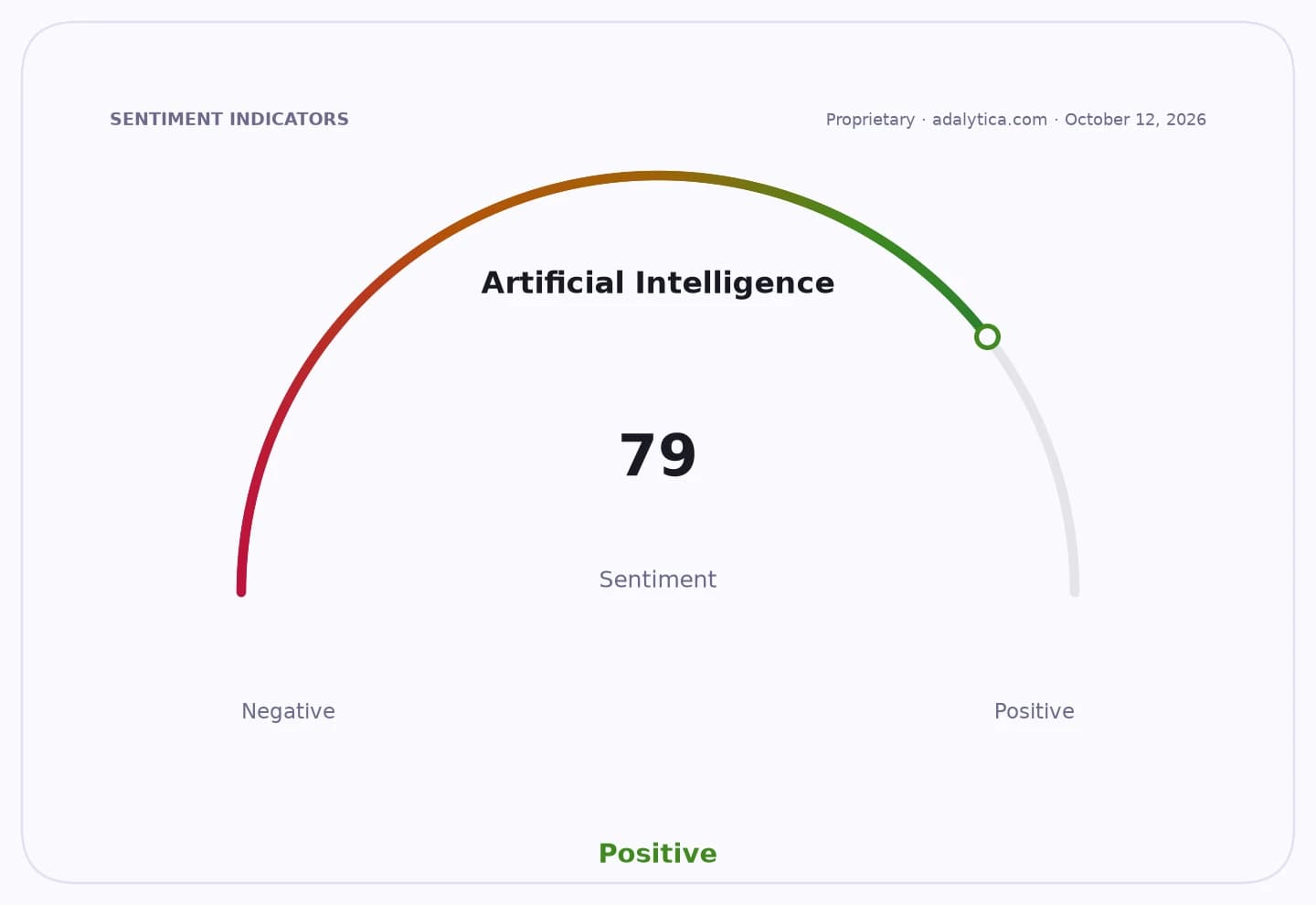
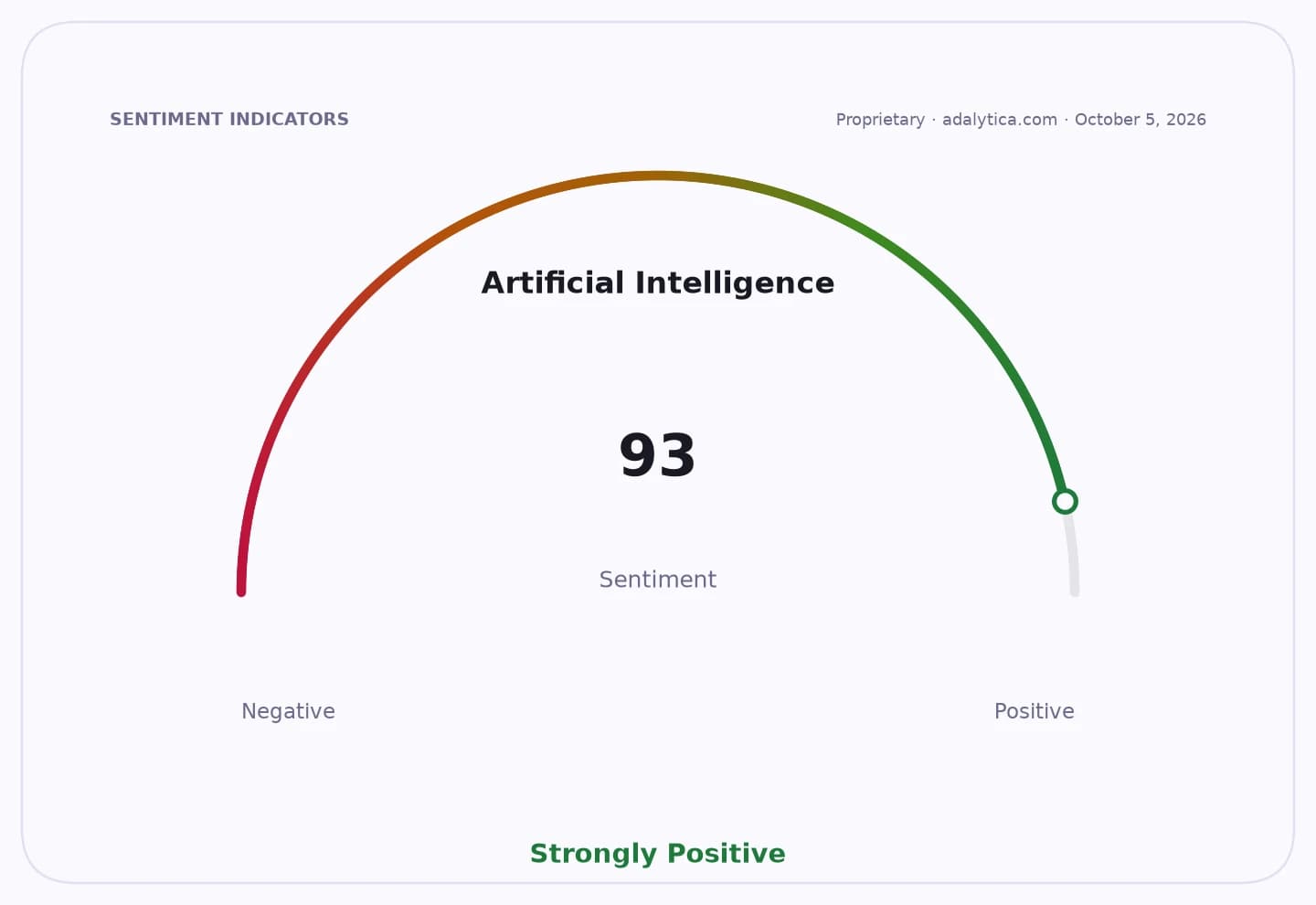
Scaleway is expanding its AI infrastructure in Northern Europe with two rival chip strategies, underscoring how European cloud providers are racing to offer high-performance computing that can stay under EU rules and appeal to customers wary of foreign data exposure.
Scaleway adds AMD and Nvidia AI sites in Europe
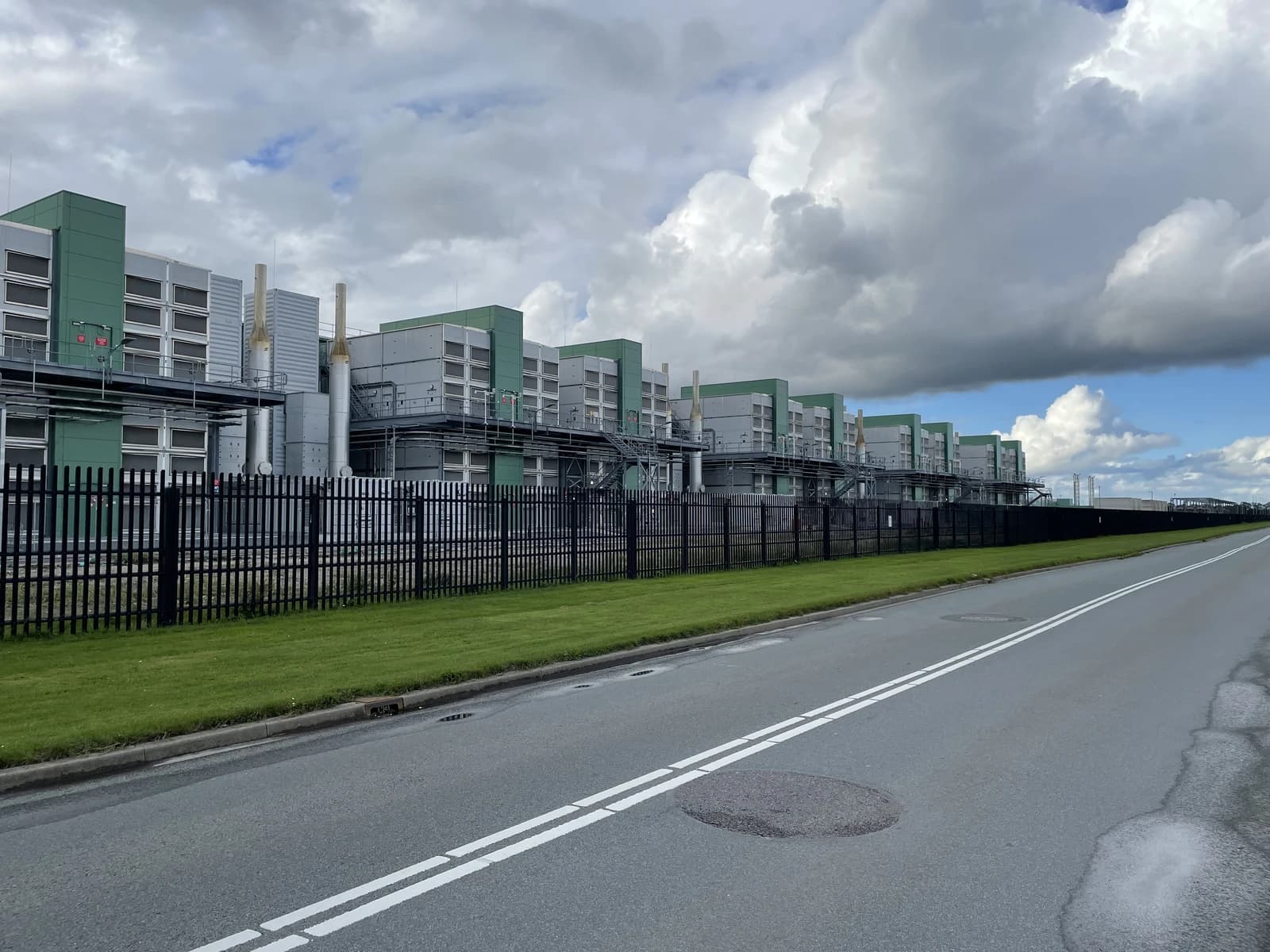
The French cloud provider said it will build an AI supercomputer in Sweden using AMD’s Instinct MI355X processors and open a separate AI site in Copenhagen powered by Nvidia’s HGX B300 system. The dual rollout shows there is no single winner yet in Europe’s AI infrastructure market: providers want access to both Nvidia’s dominant ecosystem and AMD’s open alternative as demand for training and running large models keeps rising.

For AMD, the Swedish project is a branding win in a market still heavily shaped by Nvidia’s CUDA software stack. Scaleway called the Swedish system the first commercially usable AI supercomputer in Europe based on AMD chips, and said it will target startups, AI firms and enterprises across the continent. For Nvidia, the Copenhagen deployment extends its grip on the highest-end infrastructure layer, where customers are willing to pay for performance and the latest Blackwell-era hardware.
The move matters economically because it reflects a broader European push to keep more AI compute capacity inside the bloc. That is becoming a strategic priority for banks, public-sector users, startups and industrial firms that want faster access to models without moving sensitive workloads outside European jurisdictions. It also highlights how AI infrastructure spending is branching beyond the U.S. and into regions where energy costs, regulation and data sovereignty shape capital allocation.
Scaleway said Sweden was chosen for its relatively low-carbon electricity and its growing AI sector, while Copenhagen offers cold weather, clean power and an existing customer base that includes the city of Copenhagen and AI company Corti. The Swedish buildout follows Scaleway’s May entry into the market through a partnership with telecom operator Tele2, suggesting the company is trying to stitch together a Nordic AI hub rather than a one-off project.
Investors are watching because the news reinforces durable demand for accelerated computing even after the latest surge in AI chip stocks. Nvidia shares have recently traded around $228.52, above their 50-day and 200-day moving averages, while AMD closed at $605.53, also well above both trend lines, indicating that the market still prices in continued spending on AI infrastructure. But the fact that a major European cloud provider is buying from both vendors also points to competition intensifying for future contracts as customers diversify suppliers and look for more flexible software stacks.
The next test is whether Scaleway can fill the new capacity fast enough to justify the buildout and whether more European providers follow with similar orders. If demand for sovereign AI hosting continues to rise, the winners are likely to be chipmakers and cloud operators that can offer scale, power efficiency and compliance; the losers are providers that cannot prove they can deliver AI compute without sending data far beyond Europe.
| Entity | Gains | Losses |
|---|---|---|
| Scaleway | ▲More AI capacity in Europe | ▼Higher capital spending |
| AMD | ▲European AI supercomputer order | ▼Nvidia ecosystem dominance |
| Nvidia | ▲New Nordic AI site | ▼Share of mixed-vendor deployments |
| European customers | ▲Local sovereign AI compute | ▼Dependence on U.S.-only infrastructure |