SEA-LNG is pressing the European Union to funnel more emissions-trading revenue back into shipping as Brussels reviews its carbon rules, arguing that the bloc’s maritime ETS should finance cleaner fuels and infrastructure rather than simply raise costs for operators.
SEA-LNG Pushes EU to Reinvest Shipping ETS Revenue
The industry coalition said the EU’s review of the Emissions Trading System and maritime monitoring rules is a chance to accelerate decarbonization with predictable funding, technology-neutral support and compliance rules that reward verified emissions cuts. It has submitted its proposals to the European Commission, European Parliament and member states.
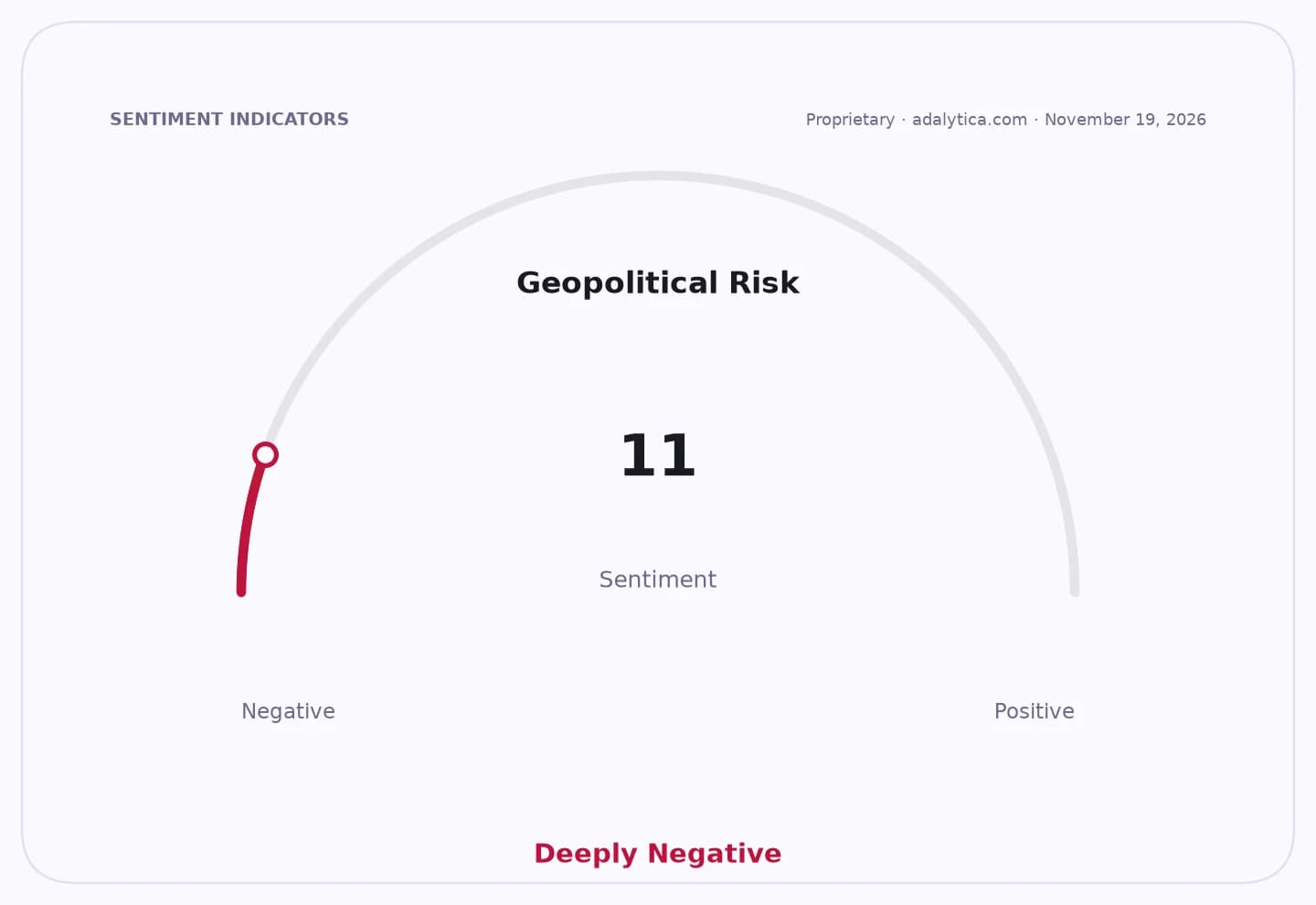
Sentiment Indicators

That matters because the shipping sector is being forced to cut greenhouse gases while managing higher fuel and compliance costs, and the way the EU allocates ETS revenue could shape which technologies win investment. SEA-LNG argues that a much larger share of maritime allowances should flow into the Sustainable Maritime Alternative Propulsion mechanism and that member states should also reinvest more of their maritime ETS receipts into the sector.
The coalition is also seeking recognition for verified lifecycle emissions reductions, including methane slip, rather than a framework that favors only zero-emission propulsion. It says renewable and low-carbon methane fuels such as bio-LNG and e-methane should qualify for support alongside other compliant fuels, and that harmonized reporting across the EU ETS, MRV and FuelEU Maritime would reduce red tape and avoid double counting.
For investors, the stakes extend beyond policy language. A more generous, technology-neutral framework could improve economics for LNG-fueled fleets, bunker infrastructure and alternative fuel suppliers, while a tighter or less flexible regime could steer capital toward different propulsion systems and leave existing assets with less policy support. SEA-LNG also warned that overlapping EU and global carbon pricing could raise shipping costs, distort competition and encourage traffic diversion.
The coalition’s position lands as the European shipping industry faces broader geopolitical strain and regulatory pressure, including tighter enforcement against Russia-linked shadow-fleet vessels and continued debate over whether Brussels should keep a regional maritime carbon system once the International Maritime Organization delivers a global framework. SEA-LNG says the EU should retain the option to reassess its system if an effective international regime covers the same ground.
The review now becomes a test of whether Brussels uses carbon pricing mainly as a tax on shipping or as a funding source for the fleet transition. Investors in LNG infrastructure, low-carbon fuel projects and shipping operators with exposed compliance costs will be watching for how much of SEA-LNG’s push makes it into the final rules.
| Entity | Gains | Losses |
|---|---|---|
| LNG-fueled ship operators | ▲More policy support | ▼Less cost pressure |
| Bio-LNG and e-methane suppliers | ▲Eligibility for funding | ▼Rival fuels favored |
| EU shipping decarbonization funds | ▲Larger revenue inflow | ▼Less ETS revenue kept by states |
| Conventional fuel users | ▲Fewer abrupt shifts | ▼Higher compliance burden |