US stocks ended the first session of the week mixed as a sharp selloff in semiconductor shares knocked the S&P 500 and Nasdaq lower, underscoring how heavily the market is still leaning on a narrow group of chipmakers to carry the broader rally.
Semiconductor Stocks Fall, S&P 500 and Nasdaq Slip

The Dow Jones Industrial Average edged higher, but weakness in technology — especially semiconductors — was enough to offset gains elsewhere and pull the main growth benchmarks into the red. That matters because chips remain the market’s most economically sensitive equity pocket: they sit at the center of AI spending, cloud infrastructure and the wider capital-expenditure cycle. When semiconductors weaken, investors are often pricing not just sector-specific profit-taking but also a more cautious view on growth and valuation.
Sentiment IndicatorsⓘProprietary · adalytica.com · August 25, 2026
This is a snapshot — live sentiment, awareness and momentum for 130+ markets update continuously in the dashboard.Open AlphaPulse
The move was broad across the chip complex. The SOXX semiconductor ETF fell to 506.18 on Aug. 24 from 522.35 on Aug. 20, with the decline coming alongside a drop in its relative strength index to 35.8, a level that suggests momentum has faded quickly from earlier overbought conditions. SMH also slipped to 546.8 from 560.42 over the same stretch, while Nvidia, the sector’s bellwether, fell to 208.48 from 214.72. The weakness followed a period in which the group had already retreated from late-summer highs, leaving traders more sensitive to any sign that the trade is losing breadth.
The selloff comes against a backdrop of higher bond yields and a more fragile appetite for long-duration growth assets. Semiconductor stocks have been among the biggest beneficiaries of AI enthusiasm, but they have also been among the most exposed to changes in discount rates because much of their valuation rests on earnings expected well into the future. When Treasury yields rise, that math becomes less forgiving, especially for high-multiple names that already rallied sharply earlier in the year.
S&P 500 — 30-day sentimentadalytica.com
Explore this data interactively — full history, time series and cross-market comparisons.Open AlphaPulse
There are also industry-specific reasons investors are nervous. Recent filings from AMD, Qualcomm and others have pointed to cyclical risks, including excess inventory, pricing pressure and demand uncertainty. Even Intel has said supply constraints in parts of the market are expected to ease, a reminder that the chip cycle is still adjusting rather than moving in a straight line higher. For investors, that makes the sector vulnerable to abrupt reversals after strong runs.
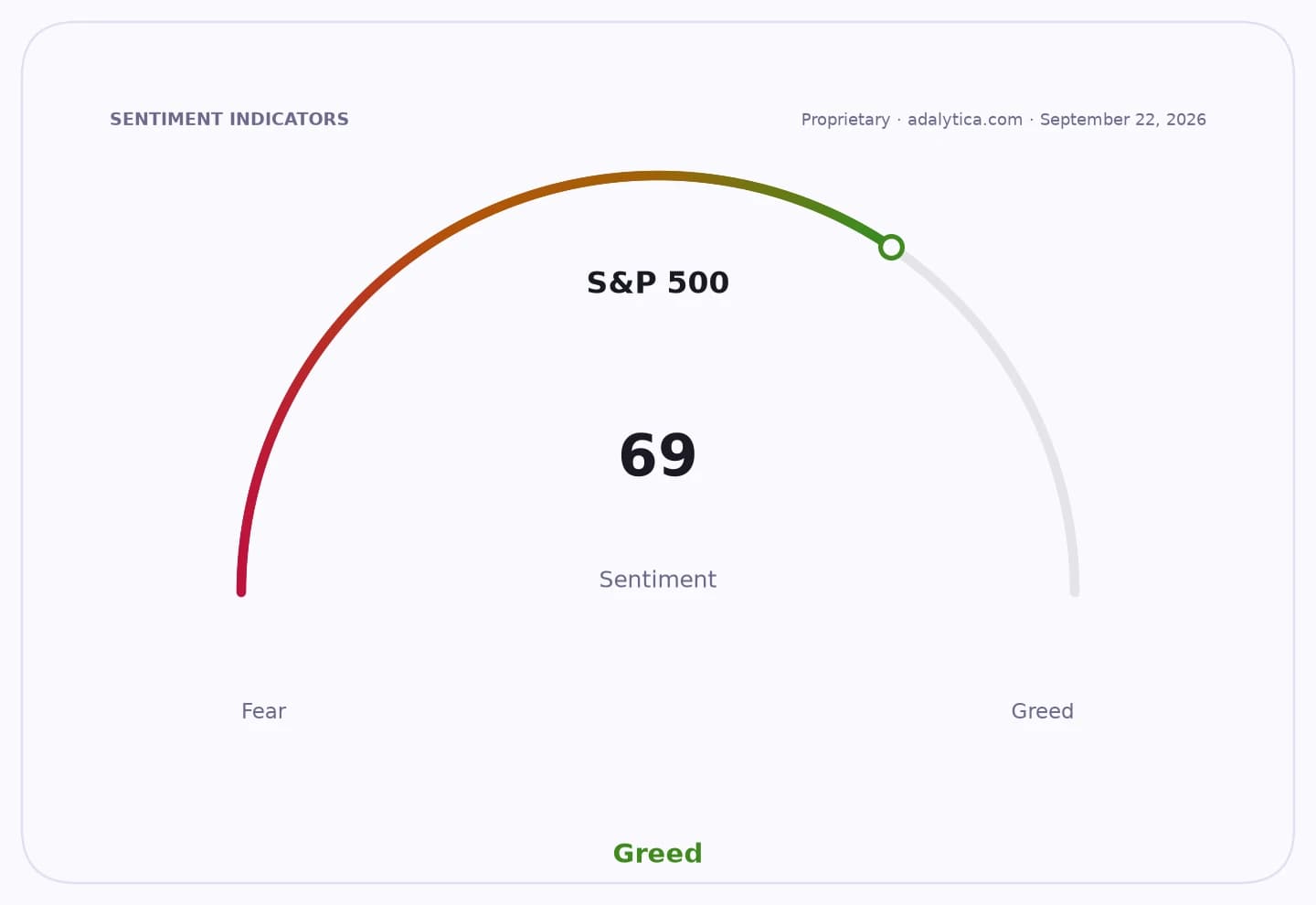
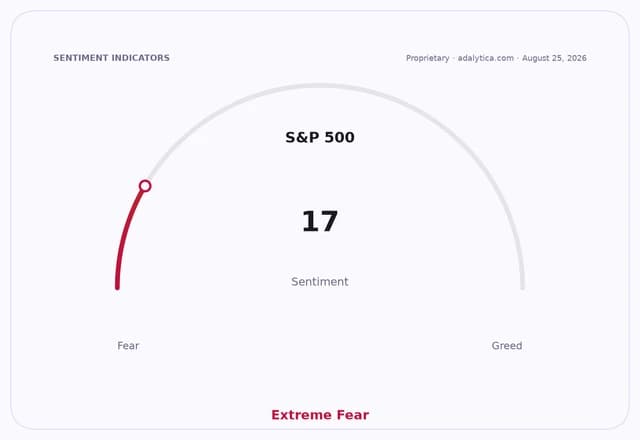
The broader market picture was one of caution rather than panic. Adalytica’s S&P 500 trade signals showed sentiment in “Fear” while awareness remained elevated, a combination that suggests investors are alert but not fully positioned for risk. The dollar also flashed stress, with its trade-signal sentiment in “Extreme Fear,” reflecting wider macro unease. In that environment, semiconductors often become the first place where investors cut exposure, because they are liquid, crowded and highly sensitive to both growth expectations and rates.
For now, the key question is whether this is a routine rotation after an extended rally or the start of a deeper de-rating in the chip complex. If yields keep climbing and the market continues to narrow, semiconductors could remain the weak link in equities. If bond pressure eases and AI-related capital spending holds up, the pullback may prove to be another volatility burst inside a still-intact secular theme.
| Entity | Gains | Losses |
|---|---|---|
| Dow Jones | ▲Relative strength | ▼Tech-heavy peers |
| Semiconductors | ▲None in session | ▼Broader equity indices |
| Chip buyers | ▲Lower entry points | ▼Recent momentum longs |
| Bond bears | ▲Tighter financial conditions | ▼High-multiple growth stocks |