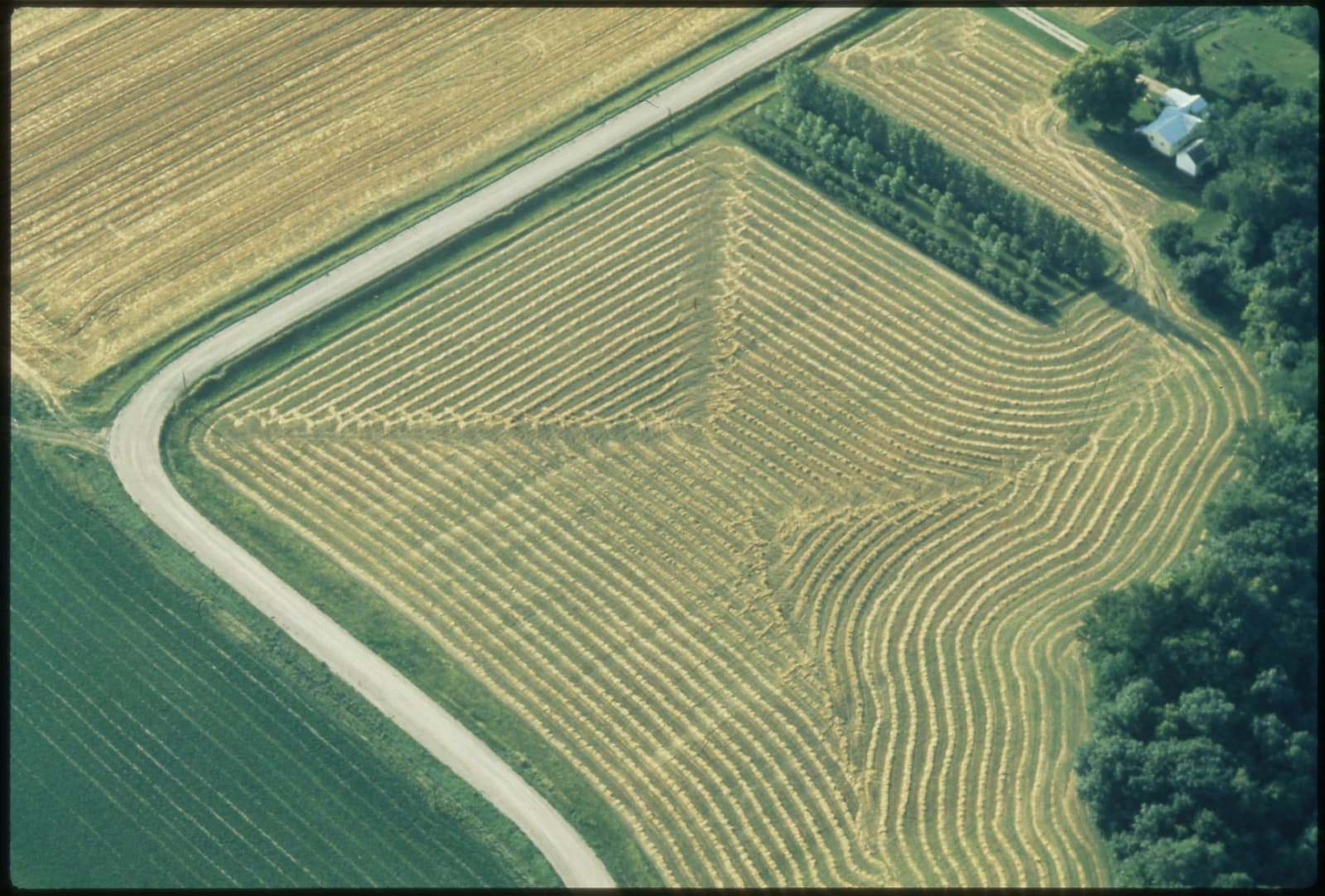
A 4.87-hectare agricultural plot near Keur Samba Kane is being offered for 18.28 million CFA francs, highlighting steady demand for productive farmland in Senegal’s western agricultural belt as land management and farming rights remain under scrutiny.
Senegal Farmland Listed for 18.28 Million CFA
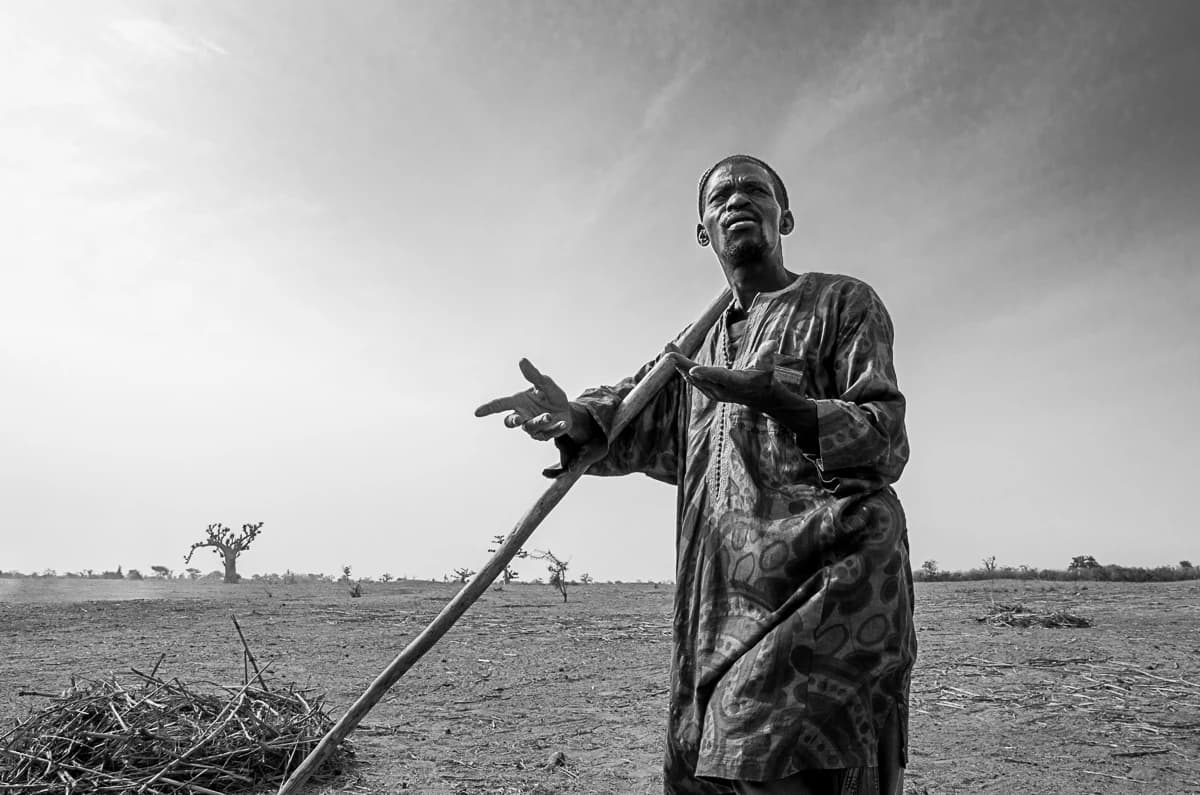
The listing matters because arable land with water access, flat topography and proximity to a road has become more than just a rural asset: it is an income-producing investment tied to food supply, livestock and horticulture. In a market where farmers and local authorities are paying closer attention to surveys, ownership clarity and land-use conflicts, well-located plots with visible productive potential tend to command a premium.
The property is described as being about 2 km from the Keur Samba Kane-Baba Garag road, with rich soil, shallow groundwater and suitability for market gardening, arboriculture, fishing and livestock. Those characteristics are especially valuable in Senegal, where water availability and access to transport often determine whether land can be profitably developed or left underused.
At roughly 18.28 million CFA for 4.87 hectares, the asking price implies a level that is accessible for small and mid-sized agricultural investors but still high enough to reflect the land’s productive profile and location advantage. For buyers, the attraction is straightforward: a parcel that can support crops or mixed farming without major initial reclamation costs. For sellers, the pitch leans on scarcity — usable land near infrastructure is harder to find as pressure on farmland rises.
The wider backdrop is one of tighter attention to farmland governance. Recent discussions around farmland surveys and land management in Senegal have underscored how sensitive land rights can be for farmers, even when authorities say improved mapping is intended to support rather than penalize producers. That makes clean, marketable plots like this one more important for investors seeking lower legal and operational risk.
For agricultural investors, the key question is whether land like this can be turned into cash flow quickly enough to justify the capital outlay. If water access and road proximity are as strong as advertised, the plot could support horticulture or livestock with relatively low development cost. The bear case is that, as with many rural listings, title security, infrastructure quality and actual productivity can diverge from the brochure.
For Senegal’s farmland market, the listing is a reminder that land value is increasingly shaped by utility, not just size. In the near term, buyers will keep favoring plots that combine clear access, water and farming flexibility, while policymakers’ efforts to improve surveys and reduce land disputes may determine how efficiently that market can expand.
| Entity | Gains | Losses |
|---|---|---|
| Land seller | ▲Sale proceeds | ▼Ongoing ownership of asset |
| Agricultural buyer | ▲Productive land access | ▼Upfront capital outlay |
| Local farming economy | ▲Potential investment and output | ▼Risk of idle or disputed land |
| Farmers lacking secure titles | ▲Better surveying could help | ▼Greater scrutiny of land rights |