Ethiopia and other African economies are moving a step closer to treating forests, water, soils and minerals not as background scenery, but as assets that can shape trade, household costs and public investment.
Africa natural capital accounting gains policy support
That matters because when governments can measure what nature contributes to growth, they are better positioned to protect supply chains, reduce hidden costs and avoid public spending decisions that destroy long-term value. For investors, the bigger story is not the accounting itself. It is whether better data leads to steadier food supplies, smarter infrastructure spending and fewer costly policy mistakes across some of the world’s fastest-growing markets.
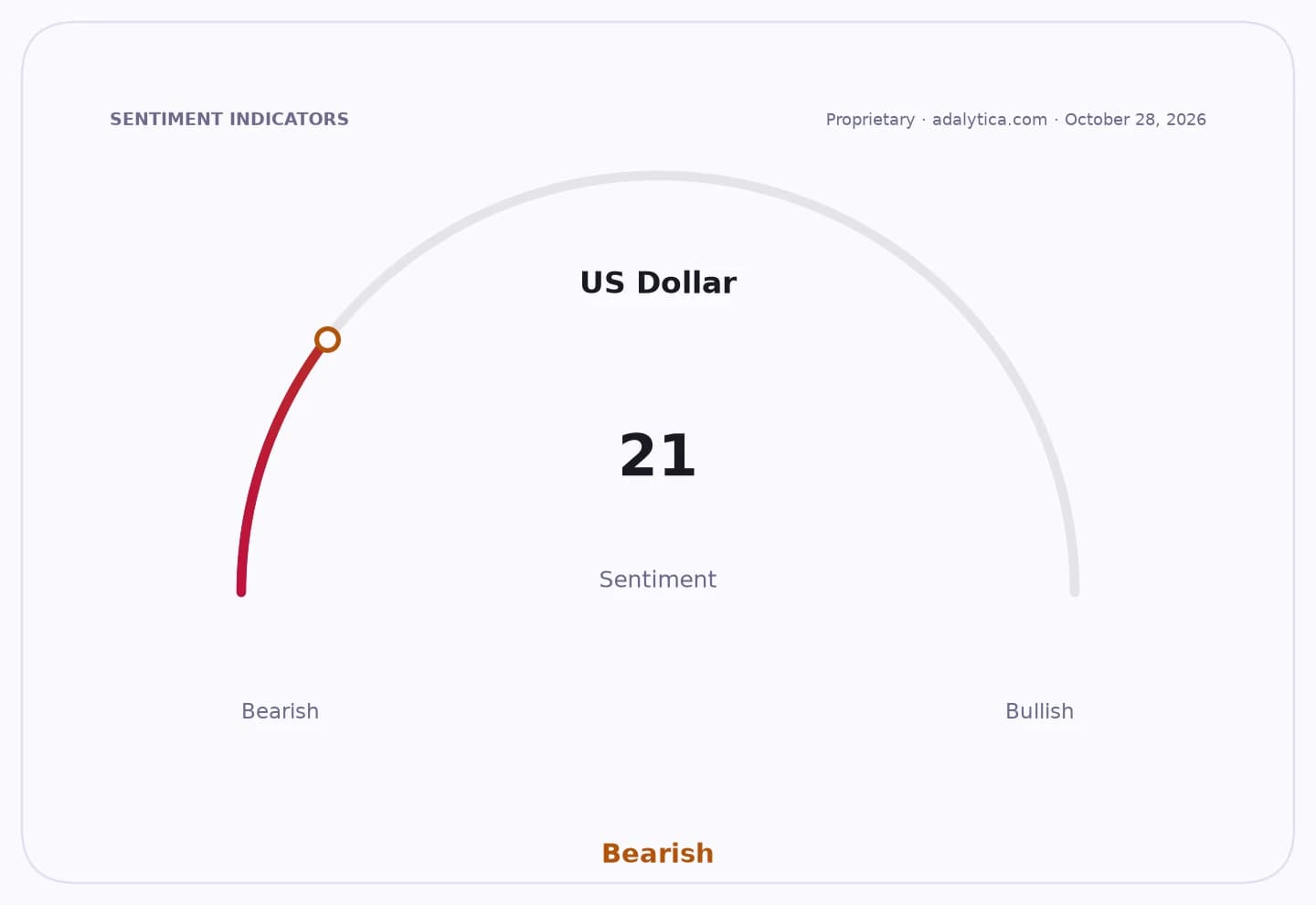
Sentiment IndicatorsⓘProprietary · adalytica.com · October 28, 2026
This is a snapshot — live sentiment, awareness and momentum for 130+ markets update continuously in the dashboard.Open AlphaPulse
At the third Africa Policy Forum on Natural Capital in Addis Ababa, the African Development Bank Group, the World Bank Group and the Ethiopian government backed a more practical use of environmental accounts. The goal is to move beyond headline GDP and into the real assets that underpin it.
That distinction is important. The African Development Bank estimates Africa’s natural capital at $7.6 trillion in 2020, and says natural resources and ecosystem services account for about 60% of the continent’s GDP, while nature-based sectors provide nearly two-thirds of jobs in many African countries. But those figures are not cash sitting in a vault. They are a reminder that growth across much of Africa depends on the health of land, water and ecosystems.
For businesses, that has immediate implications. Agricultural traders rely on fertile soils and reliable water. Fish and timber merchants depend on functioning ecosystems. When those systems weaken, the hit shows up as lower volumes, less predictable quality and higher procurement costs. That is why natural capital accounting can matter economically even before it changes law: it helps policymakers see where erosion control, watershed restoration or better land management could protect production.
It could also influence the next wave of regulation and public charges. If governments use these accounts to identify resource depletion, they may eventually tighten extraction limits, restrict land use or revise water fees. None of that has been announced by the forum, but investors should understand the direction of travel. More evidence often leads to more rules, and more rules can reshape margins in agriculture, timber, mining and water-intensive industries.
Households would feel the effects too. If better management improves farming yields or water reliability, that can help keep food and utility costs in check over time. But there is a catch: higher resource charges or tighter access rules could raise costs before any long-term benefit arrives. That makes implementation everything. A policy that looks efficient on paper can still punish small traders and informal businesses if reporting burdens are too complex or transition support is missing.
For long-term investors, the opportunity lies in the countries that turn this into better capital allocation. Natural capital accounts can help governments compare competing projects more honestly, weighing job creation and tax revenue against losses in water, forests or agricultural productivity elsewhere. That could improve the quality of infrastructure decisions, support more resilient supply chains and make some investment cases more durable.
South Africa already offers a useful model with its ten-year National Natural Capital Accounting Strategy, launched in 2021 through cooperation among statistical and biodiversity institutions. The lesson is that this only works when the data is embedded in budgets, planning and agency coordination — not left in a technical annex.
The broader takeaway for investors is straightforward: Africa’s natural capital push is less about valuation headlines than about whether governments can protect the productive base of their economies. If they succeed, the beneficiaries will be traders, consumers and patient capital that wants steadier growth. If they fail, the costs will show up in shortages, higher bills and weaker investment returns. Worth watching closely for anyone with a long-term view on African infrastructure, agriculture and resource-linked stocks.
| Entity | Gains | Losses |
|---|---|---|
| Governments | ▲Better budgeting and project appraisal | ▼Short-term policy complexity |
| Traders and exporters | ▲More reliable supply chains | ▼Higher compliance costs |
| Consumers and households | ▲Lower long-term supply risk | ▼Higher resource charges initially |
| Long-term investors | ▲Better visibility on economic resilience | ▼Firms exposed to depletion and regulation |