A looming wave of farmland ownership changes is forcing older landowners to confront a tax-and-benefits detail that can determine whether a lease check leaves Social Security untouched or trims monthly payments.
Farmland leases and Social Security benefits
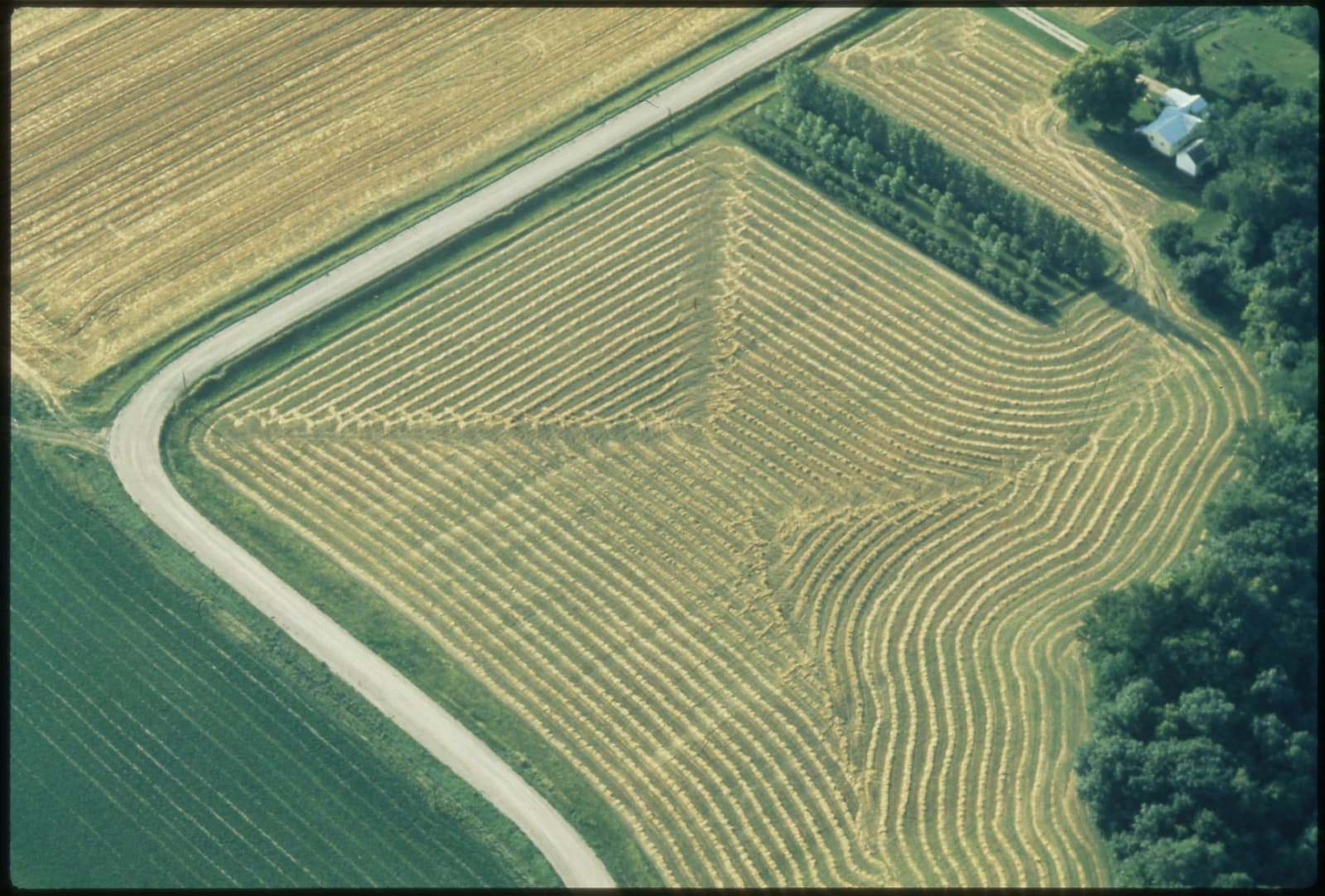
Amber Farmland Investments, formerly Iroquois Valley, says roughly 40% of U.S. farmland could change hands over the next 15 years as owners retire, sell or pass land to the next generation. That generational turnover matters economically because farmland remains one of the largest real-asset pools in rural America, and the terms of the lease can materially change after a transfer. For owners drawing Social Security before full retirement age, a cash-rent structure generally keeps lease income outside the earnings test, while crop-share arrangements can turn the same land into countable self-employment income if the owner materially participates in production decisions.
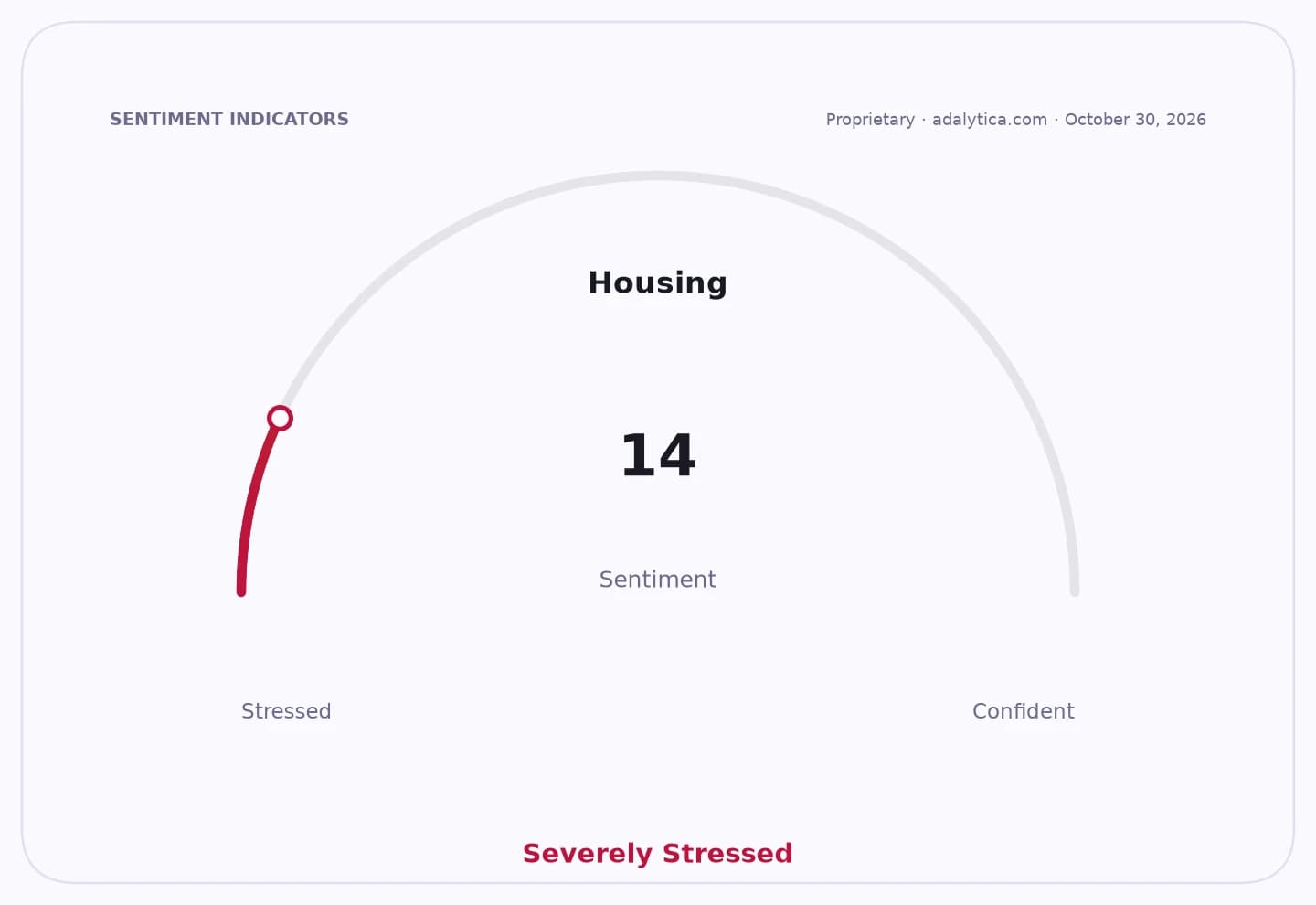
Sentiment Indicators
That distinction is more than an accounting quirk. Under Social Security’s earnings test, income above the annual limit can trigger withheld benefits. In 2026, the threshold is $24,480, meaning a landowner with $30,000 in countable crop-share earnings could see $2,760 of benefits withheld. Under cash rent, the same $30,000 payment would not affect the monthly check. For retirees relying on farm income to supplement benefits, the lease structure can shape after-tax cash flow as much as the rent level itself.
The stakes are rising because farmland succession is rarely a one-time transaction. It often happens acre by acre, family by family, and many owners prefer steady income with minimal operational involvement. Cash leases appeal to retirees who want predictable revenue and cleaner Social Security treatment. Crop-share deals, by contrast, can offer upside when commodity prices improve, but they also expose owners to production risk, variable returns and, in some cases, earnings-test complications if the agreement leaves them too involved in management.
For investors, the issue matters because succession-driven turnover is likely to influence who captures farm economics in the next cycle: passive landowners seeking fixed income, operators looking to expand acreage, or agricultural real-estate vehicles positioned to intermediate the transition. Farmland REITs such as Farmland Partners, which earns most of its revenue from tenant rent, are tied to the same broad theme of acreage changing hands and leases being rewritten. If retiring owners increasingly favor cash rent for simplicity and benefit protection, that could reinforce demand for fixed-rent structures and support land valuations anchored to stable income streams. If more owners pursue crop-share participation, returns could become more variable and more sensitive to farm margins.
The broader backdrop is a farm sector still shaped by tight labor, water constraints and uneven commodity economics. The U.S. unemployment rate has stayed near 4.2%, suggesting the economy is not under severe stress, but agricultural income remains more exposed to weather, input costs and grain prices than most other asset classes. That makes the legal and tax plumbing around farmland ownership unusually important: when the next generation sits down at the kitchen table, the choice between cash rent and crop share can determine not only farm profitability, but also how much retirement income actually lands in an owner’s pocket.
The next several years of land transfers will test whether the U.S. farmland market keeps drifting toward simple, institutional-style leasing or whether family succession preserves more production-linked arrangements. For investors, the key catalyst is not just who owns the land, but how those owners choose to monetize it.
| Entity | Gains | Losses |
|---|---|---|
| Retiring farmland owners | ▲Stable cash flow; no Social Security hit | ▼Crop-share upside; operational control |
| Younger farm operators | ▲More acreage under cash leases | ▼Higher variable-rent obligations |
| Farmland REITs | ▲Demand for predictable lease structures | ▼If crop-share complexity deters deals |
| Social Security recipients below full retirement age | ▲Unreduced monthly benefits | ▼Countable self-employment farm income |