Citizens’ rush to exchange offices is the real story in Serbia, not a broken exchange-rate regime.
Serbia dinar stability and euro demand rise
Economist Nikola Fabris says the dinar’s stability is not under threat, but the surge in demand for euros needs to be checked by the National Bank of Serbia because it can quickly become a market confidence problem if left unattended. His warning matters because exchange-rate expectations can move faster than fundamentals: when households start lining up for hard currency, they are reacting less to current inflation than to memories of past instability, and that psychology can amplify short-term pressure even when the central bank’s anchors remain intact.
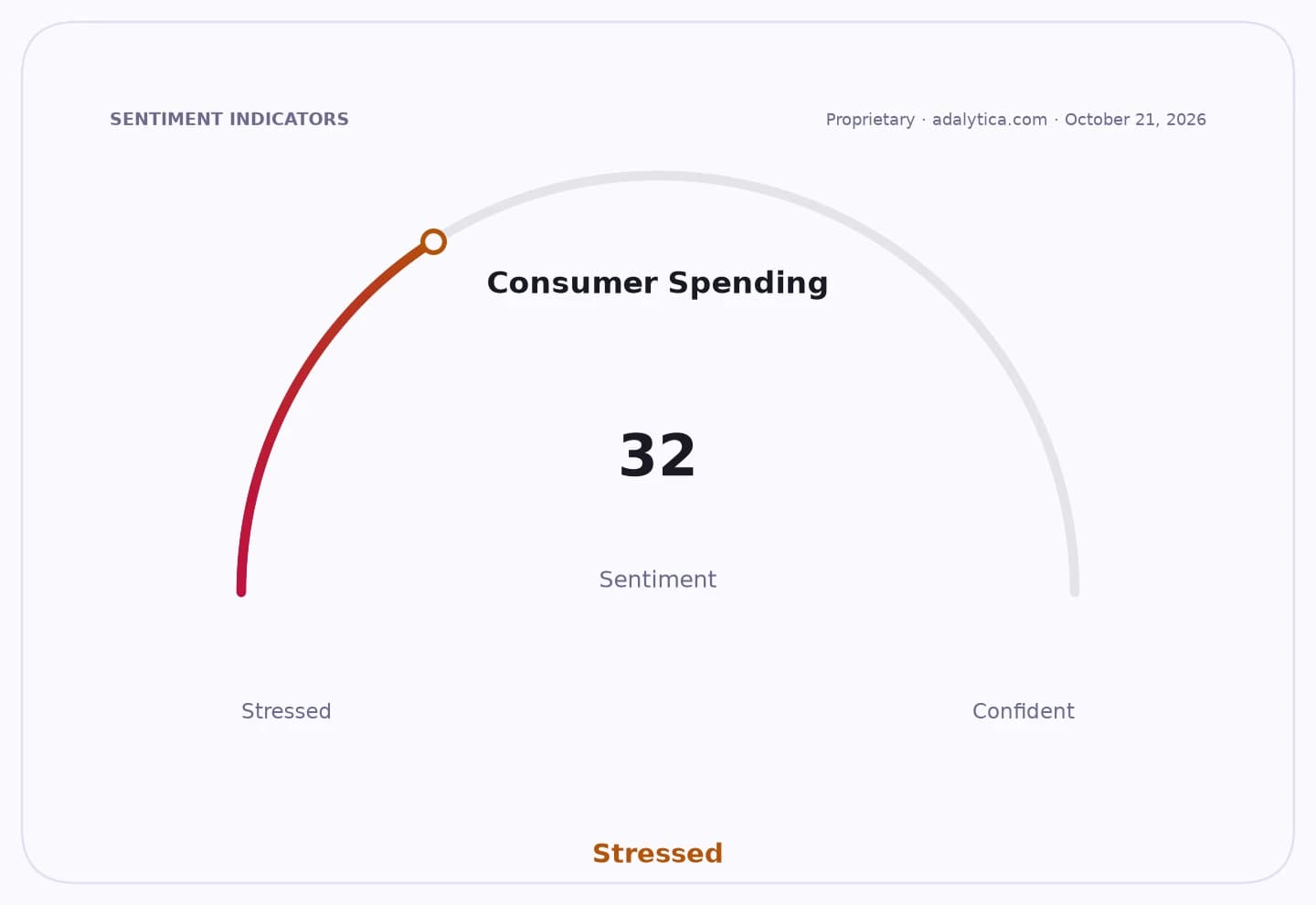
Sentiment Indicators
That is why the distinction Fabris draws is important for investors and savers. If the euro shortage at exchange counters is only temporary, the policy response is about liquidity management and communication. If it reflects a deliberate attempt to create uncertainty, the issue becomes broader, touching confidence in monetary policy and the public’s willingness to hold local currency. Either way, the economics are straightforward: more demand for foreign cash can lift dollarization pressures, complicate price stability and, if repeated, nudge up borrowing and hedging costs across the economy.
The backdrop is not especially friendly for emerging-market currencies. The U.S. dollar has been firm globally amid persistent inflation worries and expectations that rates may stay higher for longer, while Serbian households and businesses are also looking ahead to a period when euro funding needs typically rise. Fabris also noted that euro-area rates could ease toward late 2025 or early 2026, which could eventually filter into lower borrowing costs in Serbia through Euribor-linked euro loans rather than the National Bank of Serbia’s benchmark. For borrowers, that is a longer-term relief valve; for policymakers, it is a reminder that domestic stability still depends on external financial conditions.
For long-term investors, the message is not that Serbia’s currency story is deteriorating, but that confidence remains a market variable in its own right. A stable exchange rate can coexist with anxious consumers, and those anxieties can influence cash demand, inflation expectations and bank behavior before they ever show up in official data. If the central bank keeps euro supply orderly and the dinar broadly steady, the episode should fade into a temporary precautionary rush rather than a structural change in the outlook. Still, it is worth watching closely.
| Entity | Gains | Losses |
|---|---|---|
| National Bank of Serbia | ▲Credibility if it keeps markets orderly | ▼Confidence if shortages persist |
| Citizens buying euros | ▲Short-term perceived safety | ▼Dinar cash balances |
| Dinar savers/borrowers | ▲Stability if panic fades | ▼Higher anxiety over prices |
| Euro borrowers in Serbia | ▲Lower rates if ECB cuts in 2025-26 | ▼Higher costs if uncertainty lingers |