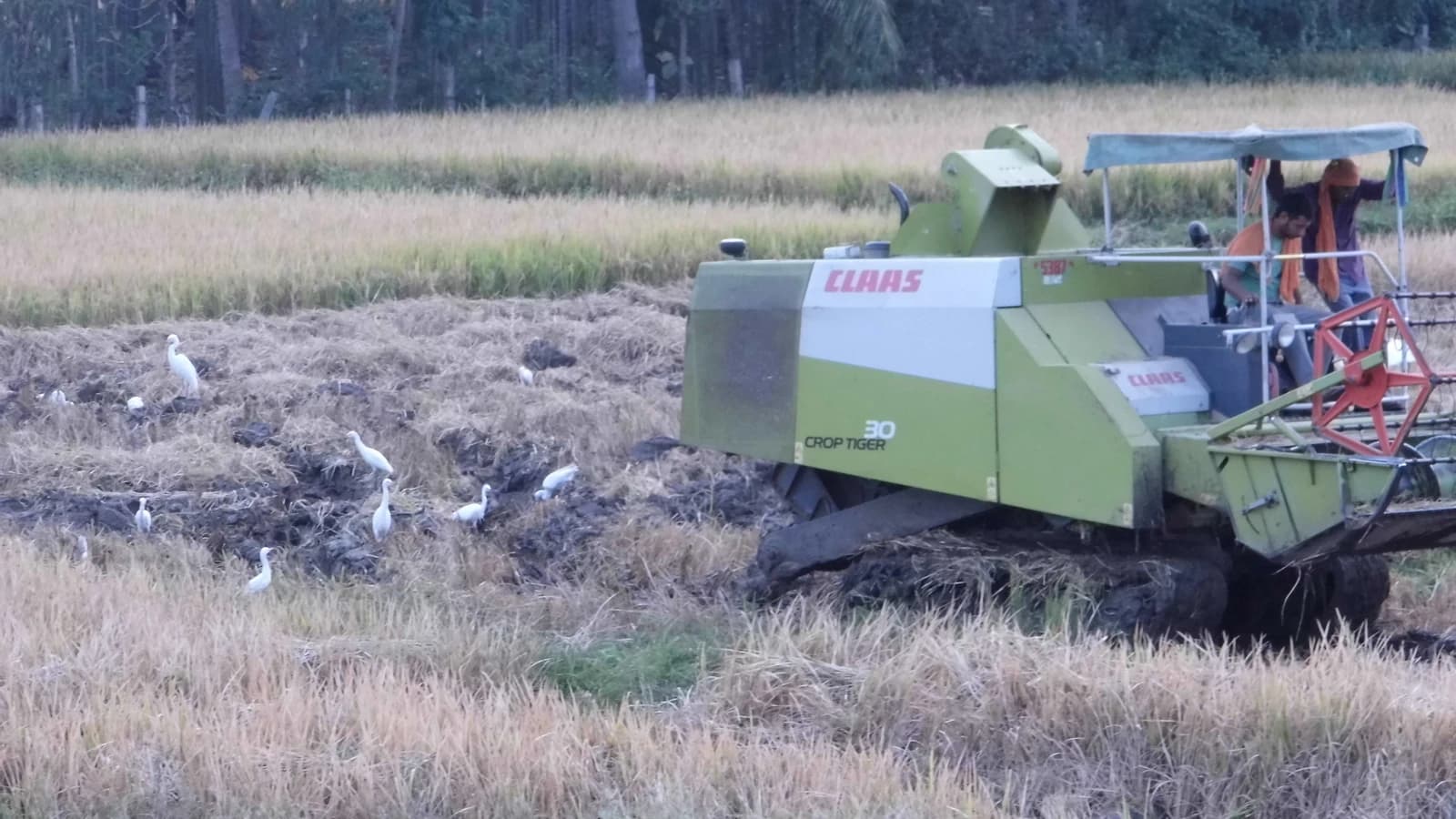
Drought is now doing the kind of damage in Serbia that investors usually only price after harvests fail, rivers run low and power systems start to strain. Farmers in the Balkan state say corn has burned in the fields and turnips have been stripped down to “holes,” a crop loss that speaks to a wider squeeze across Europe’s food and water system.
Serbia drought lifts wheat ETF to $23.81
That matters because Serbia sits in a region where climate stress can quickly spill from farms into freight, electricity and food inflation. The Danube has already fallen to record lows in parts of Serbia, disrupting navigation and threatening irrigation just as fields need water most. When river transport slows and reservoirs tighten, the economic hit extends beyond the farm gate: grain can’t move as efficiently, hydropower output becomes less reliable and local food prices can rise faster than policymakers can cushion them.
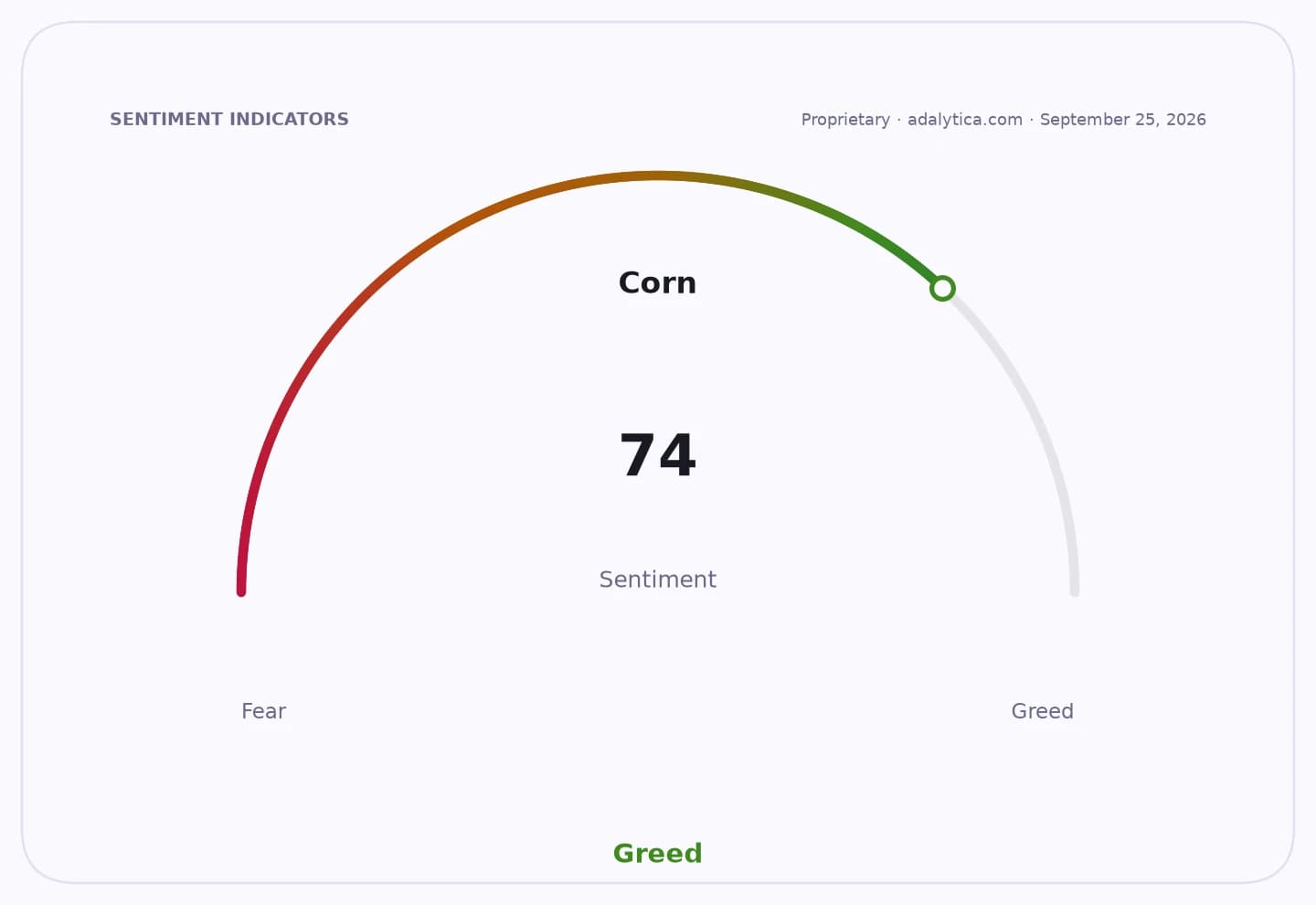
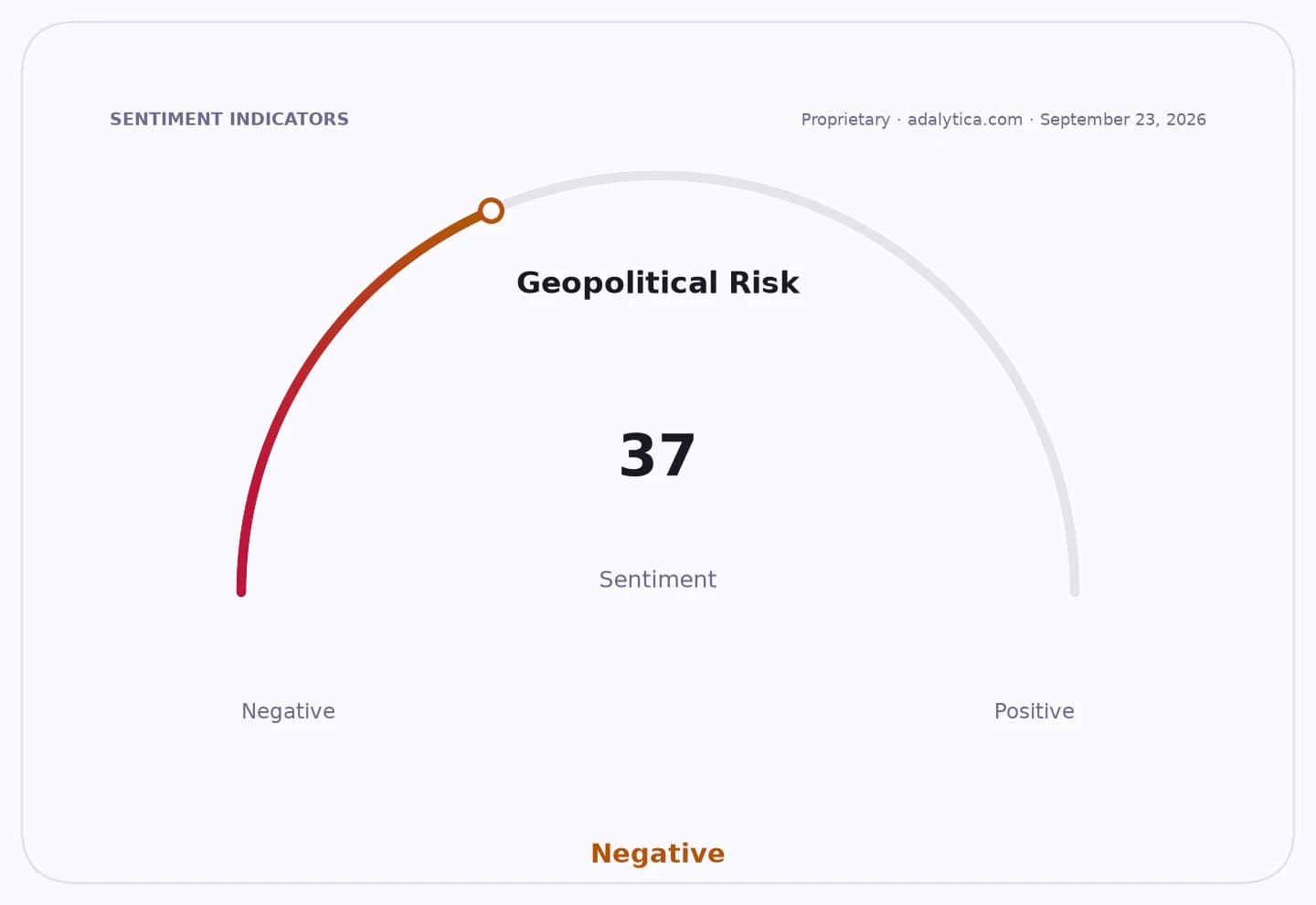
Sentiment IndicatorsⓘProprietary · adalytica.com · July 31, 2026
This is a snapshot — live sentiment, awareness and momentum for 130+ markets update continuously in the dashboard.Open AlphaPulse
For investors, the immediate read is not just on Serbian agriculture, but on the broader ag and commodity complex. A supply shock in one of Europe’s key growing areas reinforces the case for owning grain exposure while weather risk remains elevated. The Teucrium Wheat ETF, which tracks wheat futures, has climbed to $23.81 as of July 31 from $20.60 in late September, while its 50-day moving average sits at $23.49, showing the market has already started to price tighter crop conditions. Teucrium Corn, by contrast, ended July at $17.65, down from a recent peak near $19.12, but still above its 200-day average of $17.82, suggesting the market is not assuming a full normalization in corn supply.
The bigger signal is that the drought narrative is not isolated. Adalytica’s Corn Fear & Greed Index shows “Fear” at 22 and “Extreme Fear” awareness at 14, a reminder that sentiment around corn is already fragile even before the full damage from the Serbian and wider European drought is reflected in global balances. That combination is important for traders because weather-driven supply disruptions tend to tighten basis markets first, then lift broader grain pricing once exports, feed demand and storage costs adjust.
The second-order winners are the names that sit closer to the bottleneck than the farm itself. Grain merchants, storage operators and food processors with sourcing power can gain from volatility, while importers, livestock producers and consumers usually lose. In Europe, that also raises the odds of policy pressure around water management and agricultural support, especially if low river levels continue to interrupt the Danube corridor and the energy system linked to it.
For now, the market is treating this as another drought story. That may be too small a frame. The more durable thesis is that recurring heat and rainfall deficits are turning European agriculture into a higher-volatility asset class, and the investable edge belongs to those positioned early in grain exposure, infrastructure that benefits from storage and logistics stress, and companies with pricing power in a tightening food chain. If Serbia’s fields are already failing this badly, the next move may be less about a single crop and more about a multi-market repricing of water risk.
| Entity | Gains | Losses |
|---|---|---|
| Grain bulls / WEAT holders | ▲Higher crop-risk premium | ▼Crop normalization |
| Corn farmers in Serbia | ▲— | ▼Burned yields |
| River transport / Danube shippers | ▲— | ▼Low-water disruptions |
| Food processors / importers | ▲Higher sourcing flexibility if hedged | ▼Margin pressure from scarcity |